


Corn Snake Behavior Explained: Understanding Your Pet
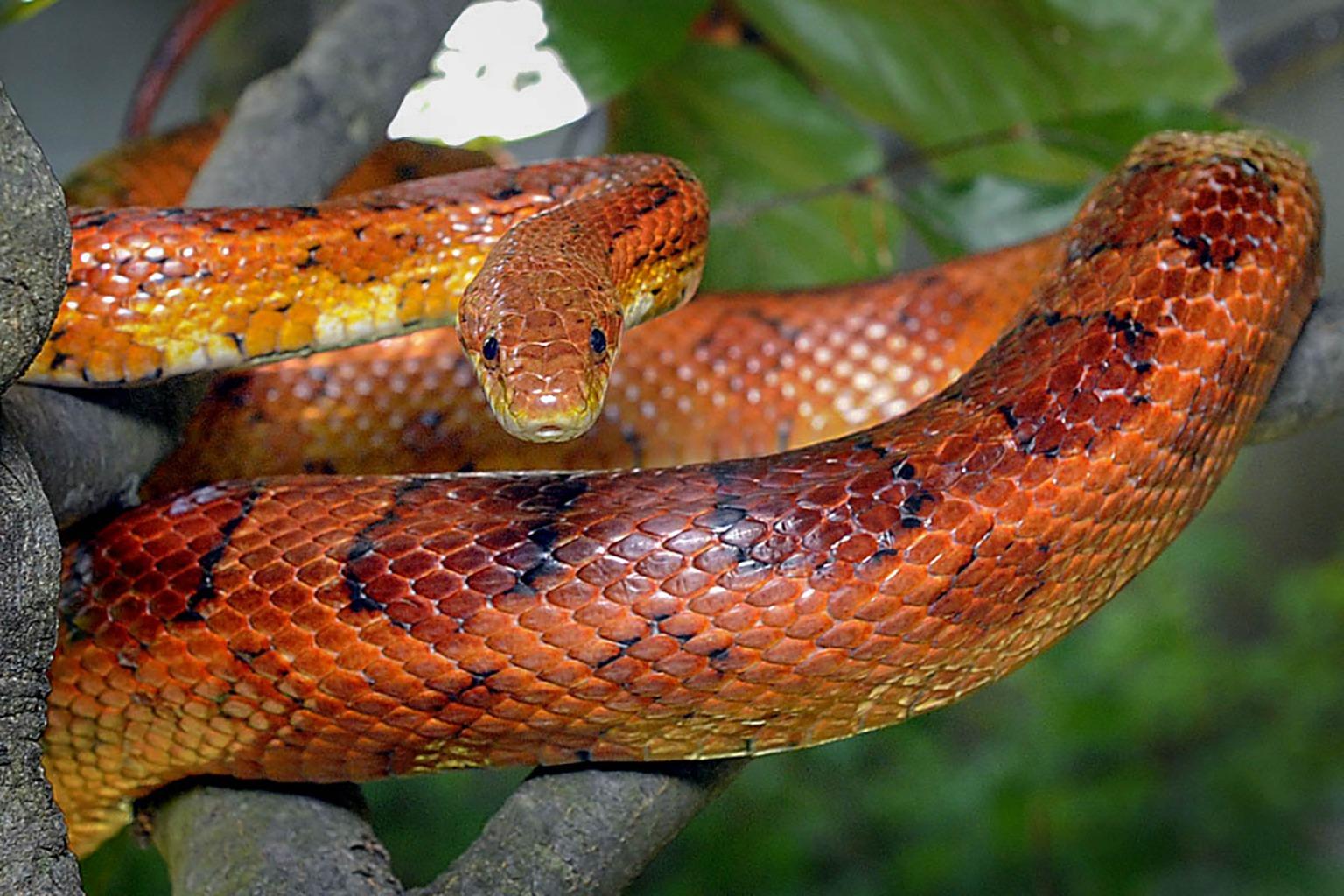
Corn snakes are one of the most popular pet snakes in the world, and for good reason. They are friendly, relatively easy to care for, and offer a fascinating glimpse into reptilian behavior. Understanding corn snake behavior is essential for every owner, whether you are a first-time snake keeper or an experienced herpetologist. This guide will help you interpret your snake’s actions, understand its needs, and build a stronger bond with your pet.
Natural Habitat and Origins of Corn Snakes
Corn snakes are native to the southeastern United States. In the wild, they are typically found in wooded areas, grasslands, and abandoned structures where they can find prey and shelter. These environments shape their natural behavior, including climbing, burrowing, and hunting small rodents.
In captivity, replicating aspects of their natural habitat can significantly influence their behavior. Providing hiding spots, climbing branches, and a temperature gradient helps corn snakes feel secure and reduces stress-related behaviors. Understanding where they come from gives insight into why they act the way they do, such as their tendency to explore and investigate their surroundings.
Feeding Behavior and Hunting Instincts
One of the most fascinating aspects of corn snake behavior is their feeding habits. In the wild, they are constrictors that primarily feed on small mammals, birds, and eggs. In captivity, their diet usually consists of appropriately sized mice or rats.
Corn snakes exhibit an instinctive hunting behavior, including tongue flicking to detect prey, stalking, and constriction before consumption. Even if your snake is well-fed, this natural instinct may still emerge during feeding sessions. Recognizing these behaviors helps ensure your pet remains healthy and stimulated.
Signs of Stress and When to Visit Park Hills Animal Hospital
Like all pets, corn snakes can experience stress due to environmental changes, illness, or improper handling. Signs of stress include refusing food, excessive hiding, irregular shedding, and unusual aggression. Stress can weaken their immune system, making them more susceptible to disease.
If you notice any of these warning signs, it’s important to consult a professional. Park Hills Animal Hospital offers specialized care for exotic pets, including snakes. Their experts can provide guidance on environmental adjustments, dietary changes, and medical treatment to ensure your corn snake remains healthy and happy.
Social Behavior and Interaction With Humans
Although corn snakes are not social in the way mammals are, they do develop a form of recognition with their human caretakers. With regular, gentle handling, they can become accustomed to interaction and may even show curiosity when you approach their enclosure.
Handling should be done carefully, supporting the snake’s body while avoiding sudden movements. Over time, your corn snake may exhibit relaxed behaviors, such as calmly exploring your hands or coiling comfortably around your arm. Understanding this interaction helps prevent stress and promotes a positive human-animal bond.
Shedding and Growth Patterns
Shedding is a natural and essential part of a corn snake’s life cycle. It allows for growth and helps maintain healthy skin. Before shedding, a corn snake’s eyes may appear cloudy, and its colors may dull. During this period, snakes often become more reclusive and may refuse food.
Proper humidity and hydration are crucial during shedding. Providing a moist hide or occasional misting can ease the process. Observing these behavioral changes ensures that your snake remains comfortable and reduces the risk of incomplete sheds, which can lead to health problems.
Activity Levels and Environmental Influence
Corn snakes are generally more active during dusk and night, reflecting their crepuscular and nocturnal tendencies. Their activity levels can be influenced by temperature, enclosure setup, and feeding schedule. Providing climbing structures, hides, and enrichment objects can encourage natural exploration and exercise.
Monitoring your corn snake’s activity helps you detect potential health issues. A sudden decrease in movement, lethargy, or abnormal behavior may indicate illness or stress. Creating an environment that mirrors their natural habitat encourages healthy behavioral patterns and reduces anxiety.
Reproductive Behavior and Breeding Signals
Understanding corn snake reproductive behavior is essential for those considering breeding. During the breeding season, males become more active and may display behaviors such as tail vibrations and increased tongue flicking. Females may show nesting behaviors, including spending more time in hides and preparing for egg-laying.
It’s important to observe these behaviors without causing stress. Overhandling or disturbing a breeding pair can lead to aggression or health issues. Recognizing reproductive cues ensures responsible care and can provide insight into your snake’s overall wellbeing.
Common Misconceptions About Corn Snake Behavior
Many people misunderstand corn snake behavior, assuming that certain actions indicate aggression or discomfort. For example, a snake flicking its tongue frequently is not being “angry” but is simply exploring its environment. Similarly, coiling tightly is often a sign of comfort, not threat.
Education is key to avoiding unnecessary worry. By learning what behaviors are normal, owners can provide better care and create a stress-free environment. Understanding your corn snake’s natural instincts and responses ensures a rewarding experience for both you and your pet.
Conclusion
Observing and understanding corn snake behavior is an ongoing process that enriches the pet-owner relationship. From feeding habits to social interactions, shedding cycles, and environmental responses, each behavior provides insight into your snake’s health and wellbeing. Regular observation, proper habitat management, and expert guidance—such as from Park Hills Animal Hospital—are essential for a happy, thriving pet.
By learning to interpret these behaviors accurately, you can ensure that your corn snake lives a healthy, stress-free life while deepening the connection between you and your fascinating reptilian companion.

 English
 Arabic
 Français
 Español
 Português
 Deutsch
 Türkçe
 Dutch
Dutch
 Italiano
 Russian