


How Green Spaces Improve Air Quality: A Practical Guide
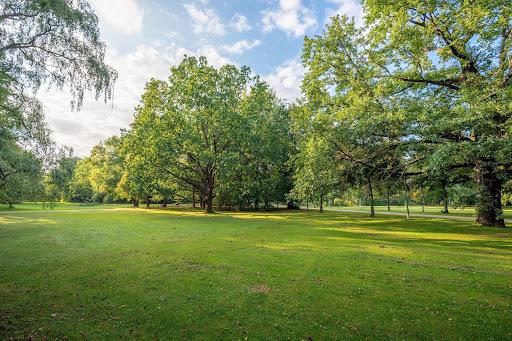
Green spaces play an essential role in improving air quality by filtering harmful pollutants and producing oxygen. Trees, shrubs, and grasses effectively absorb nitrogen dioxide and particulate matter. They also help lower temperatures, reducing the urban heat island effect and lessening ground-level ozone formation. This leads to cleaner air and better health outcomes, like fewer asthma attacks and lower heart disease risks. Let’s explore some practical steps we can take to enhance our urban environment further.
The Role of Vegetation in Air Quality Improvement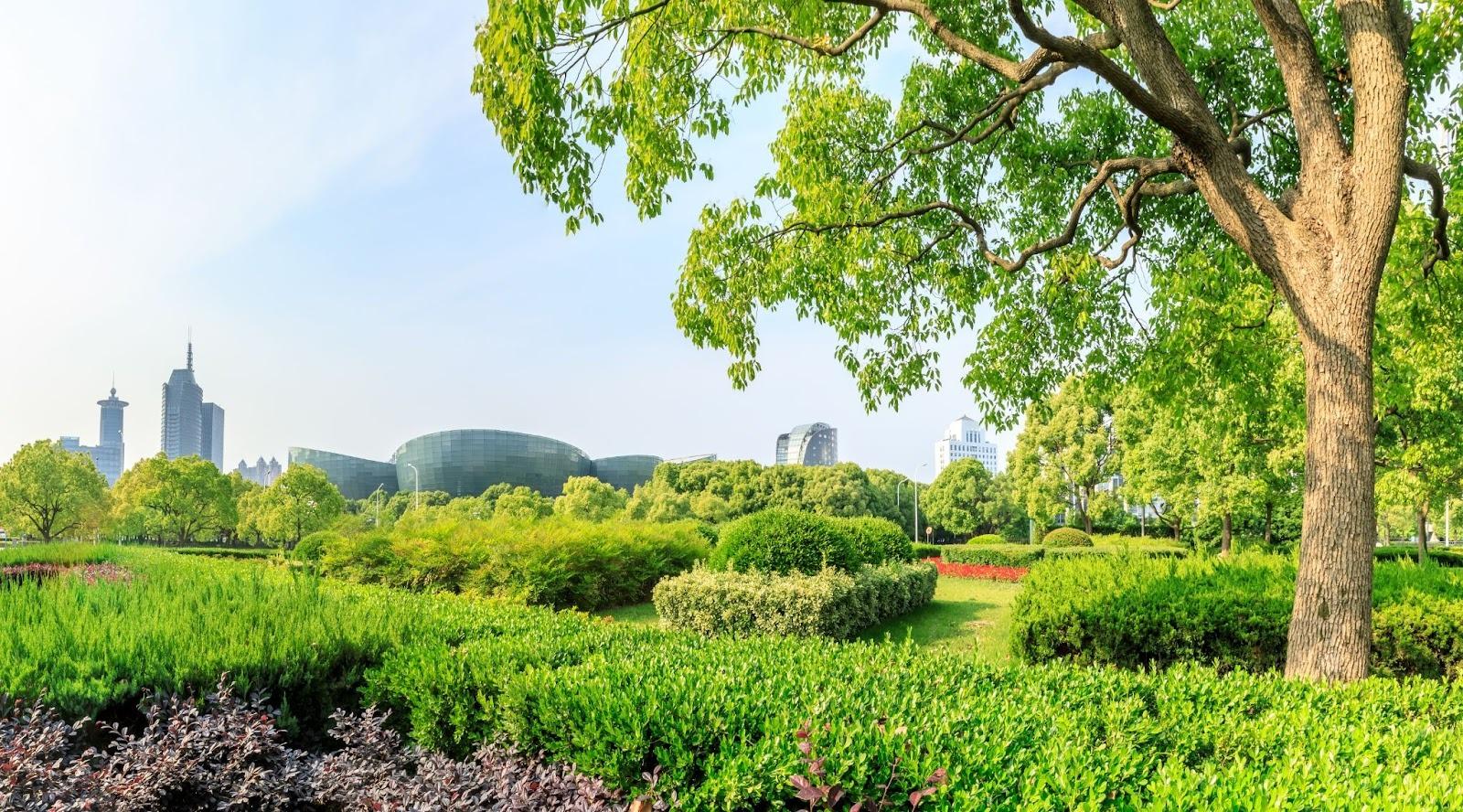
When we consider the role of vegetation in improving air quality, it’s clear that green spaces are crucial for our health and environment. They act as natural filters, absorbing harmful pollutants like carbon dioxide and releasing oxygen, which is essential for life.
In urban areas, trees alone remove approximately 711,000 metric tons of air pollution each year, making a significant impact on our air quality. Additionally, green spaces help mitigate the urban heat island effect, reducing temperatures and lowering the formation of ground-level ozone.
Mechanisms of Air Pollutant Absorption by Green Spaces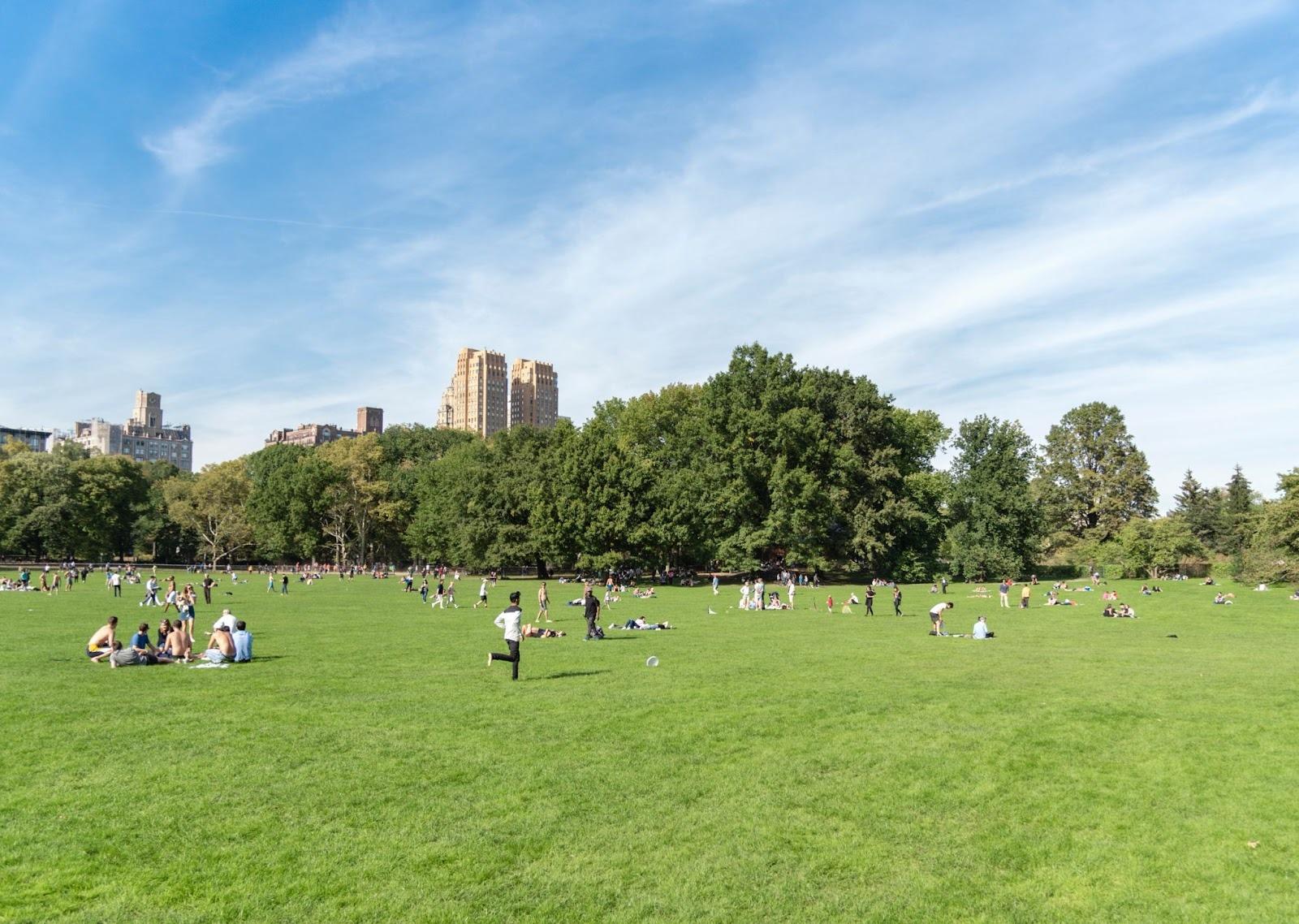
As we explore the mechanisms of air pollutant absorption by green spaces, it becomes evident that trees, shrubs, and grasses play a pivotal role in enhancing air quality.
These plants act as natural filters, absorbing harmful pollutants like nitrogen dioxide and sulfur dioxide. Their leaves and grass blades trap particulate matter, including dust and soot, while rain helps wash these particles to the ground, preventing inhalation.
Through photosynthesis, plants absorb carbon dioxide and release oxygen, with a single mature tree capable of producing enough oxygen for two people annually.
By strategically designing landscapes with diverse vegetation, we can greatly improve local air quality, making our communities healthier for everyone.
Let’s embrace the power of green spaces for cleaner air!
Mitigating Urban Heat Island Effect Through Green Infrastructure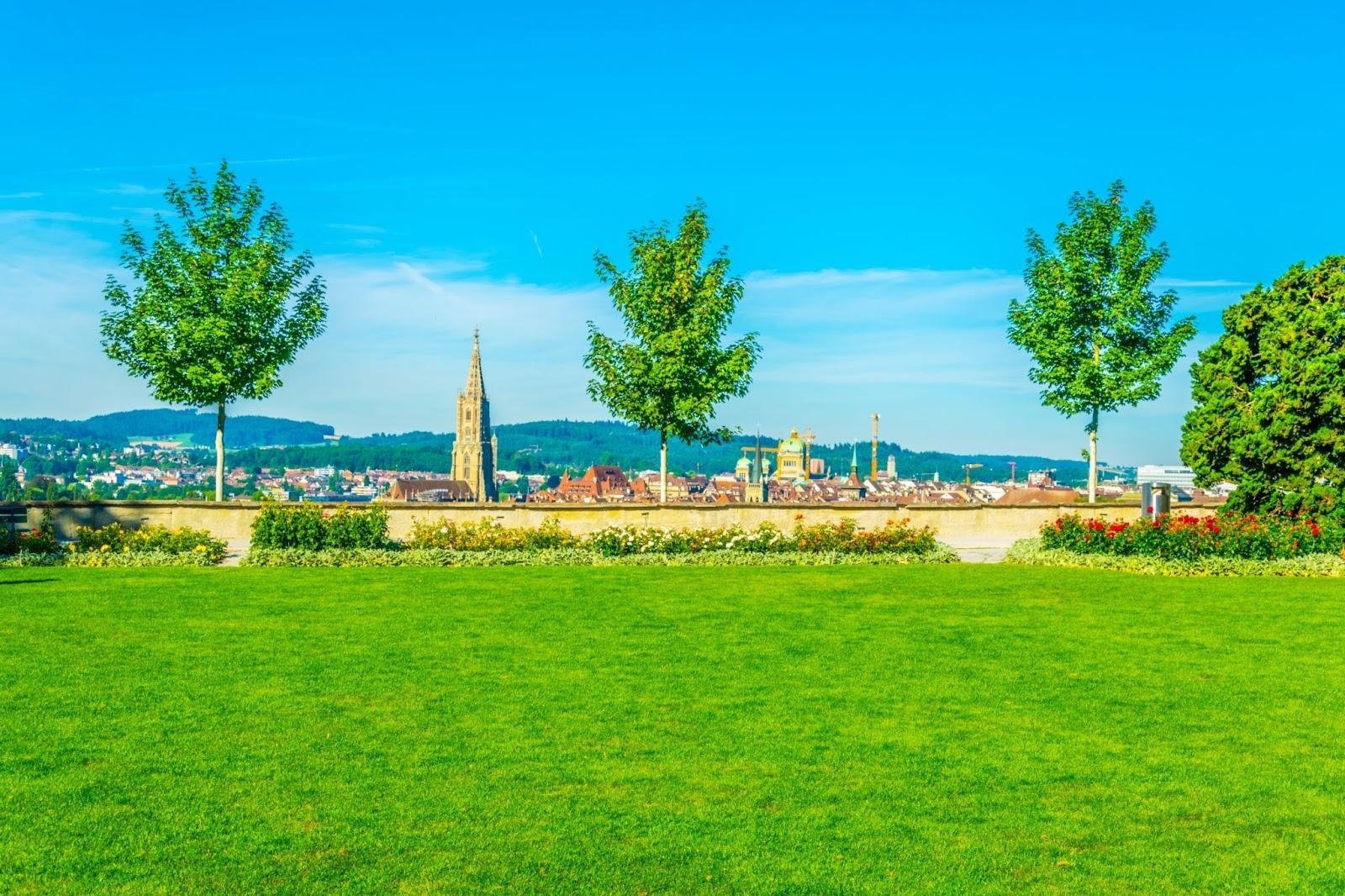
Green spaces not only enhance air quality but also play a crucial role in mitigating the urban heat island effect, which is a pressing issue in cities today.
By integrating parks, trees, and green roofs into our urban environments, we can markedly lower surrounding air temperatures by up to 10°F. This cooling helps reduce the formation of ground-level ozone, a harmful pollutant that thrives in heat.
Additionally, with less demand for air conditioning, we decrease emissions from power plants, contributing to cleaner air. Embracing green infrastructure not only combats heat but also fosters healthier communities, making urban living more pleasant and sustainable.
Together, we can create a cooler, greener future for our cities.
Health Benefits Associated With Cleaner Air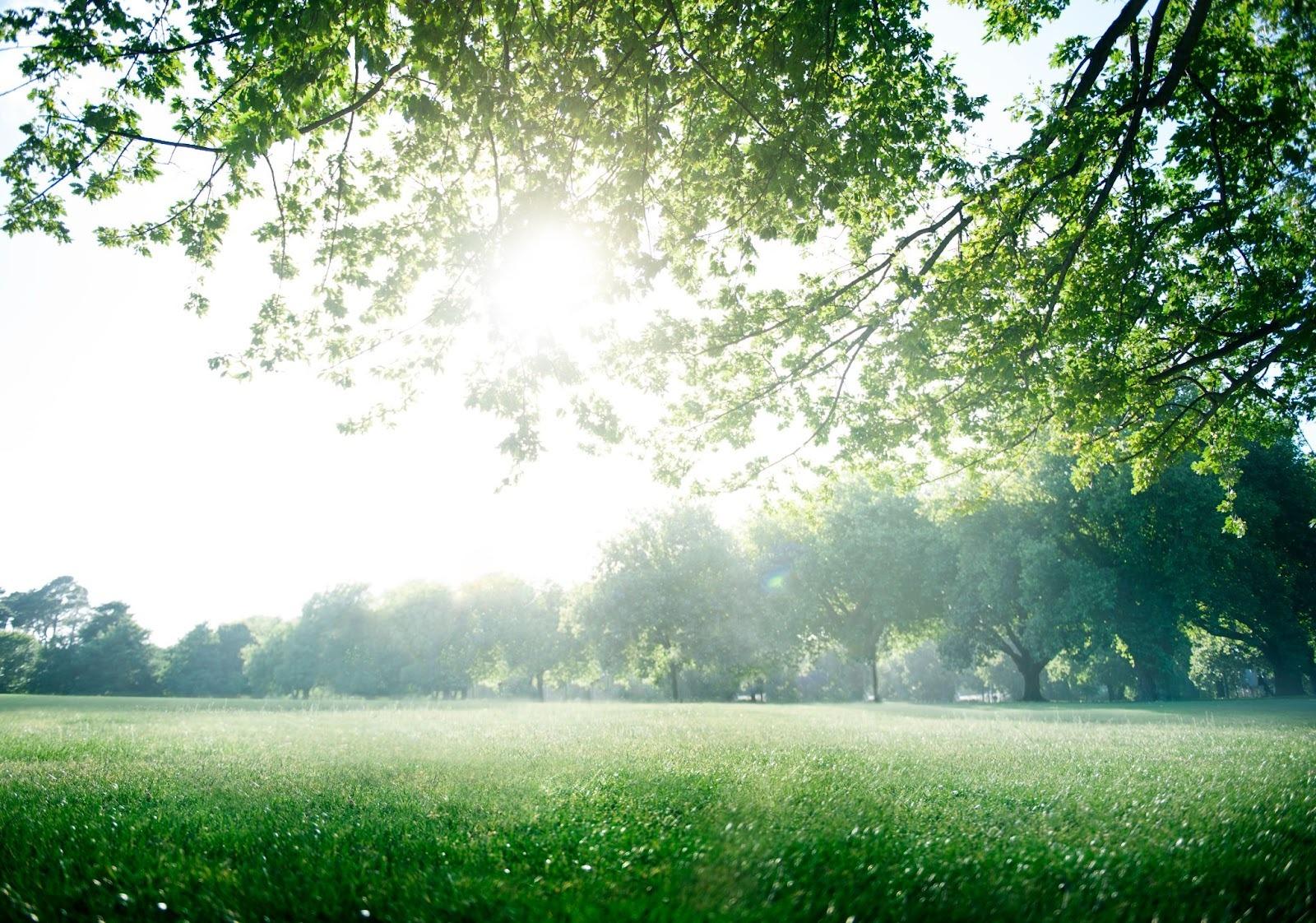
Cleaner air greatly enhances our health, promoting overall well-being and reducing the risk of various diseases.
Studies show that increased greenness—thanks to trees, shrubs, and grasses—improves air quality and may lower heart disease deaths. For every 0.10 unit increase in greenness, we see a 13-death reduction per 100,000 adults from heart disease. Conversely, just a single microgram increase in particulate matter correlates with a 39-death rise in heart disease.
Additionally, cleaner air leads to fewer asthma attacks and improved lung function, particularly benefiting children, seniors, and those with respiratory conditions.
By prioritizing green spaces, we create healthier communities, reducing stress and enhancing mental health for everyone.
Let’s embrace cleaner air for a better future.
Practical Actions for Enhancing Urban Air Quality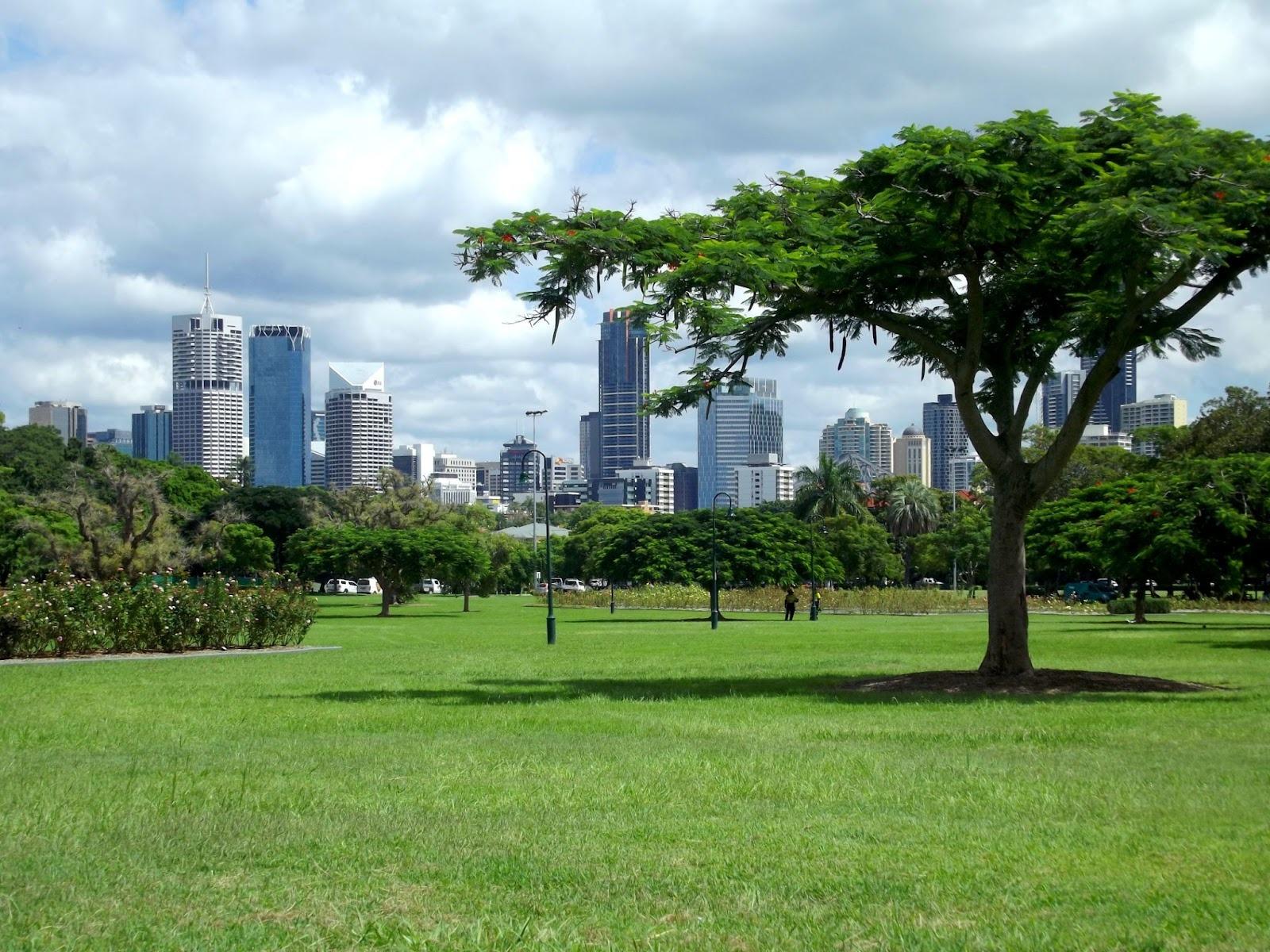
While urban air quality poses significant challenges, we can take practical steps to mitigate its impact and promote healthier environments.
First, let’s plant trees, shrubs, and low-emission ground covers in our neighborhoods. Maintaining healthy turfgrass is also essential, as it effectively captures pollutants.
We should support green infrastructure projects to enhance our local green spaces, which act as natural air filters. Additionally, reducing our reliance on gas-powered landscaping equipment can minimize harmful emissions.
By advocating for urban greening initiatives in public spaces, we foster community health. Together, we can improve air quality, reduce health risks, and create vibrant, green environments for everyone to enjoy.
Every small action contributes to a cleaner, healthier urban atmosphere.
Frequently Asked Questions
What Types of Trees Are Best for Air Quality Improvement?
We find that larger-leafed trees like oaks, maples, and willows are best for improving air quality. Their leaves effectively capture pollutants, promoting cleaner air in our neighborhoods and enhancing our overall health.
How Quickly Do Green Spaces Impact Local Air Quality?
Green spaces can start improving local air quality within just a few months. As plants grow, they absorb pollutants and release oxygen, creating healthier environments for us to enjoy and breathe more easily.
Can Green Roofs Improve Air Quality in Urban Areas?
Yes, green roofs can greatly improve air quality in urban areas. They filter pollutants, reduce heat, and enhance biodiversity. By integrating green roofs into our cities, we’re investing in cleaner air and healthier communities.
What Role Do Community Gardens Play in Air Quality?
Community gardens play an essential role in air quality by absorbing pollutants, providing greenery, and enhancing biodiversity. Together, we can cultivate these spaces, fostering healthier environments and improving our overall well-being. Let’s get involved!
Are There Specific Plants That Filter Air Pollutants Better?
Yes, we can enhance air quality by planting specific species like large-leafed trees, shrubs, and certain grasses. These plants effectively filter pollutants, improving our environment and promoting healthier living spaces for everyone.
Conclusion
To sum up, we’ve seen how green spaces play a crucial role in improving air quality and our overall health. By understanding the mechanisms at work and the benefits they bring, we can advocate for more parks and trees in our neighborhoods. Let’s take actionable steps together to enhance our urban environments and create cleaner, healthier spaces for ourselves and future generations. Together, we can make a significant impact on the air we breathe and the communities we cherish.

 English
 Arabic
 Français
 Español
 Português
 Deutsch
 Türkçe
 Dutch
Dutch
 Italiano
 Romaian