


Autonomous Monitoring Systems Using Buoys
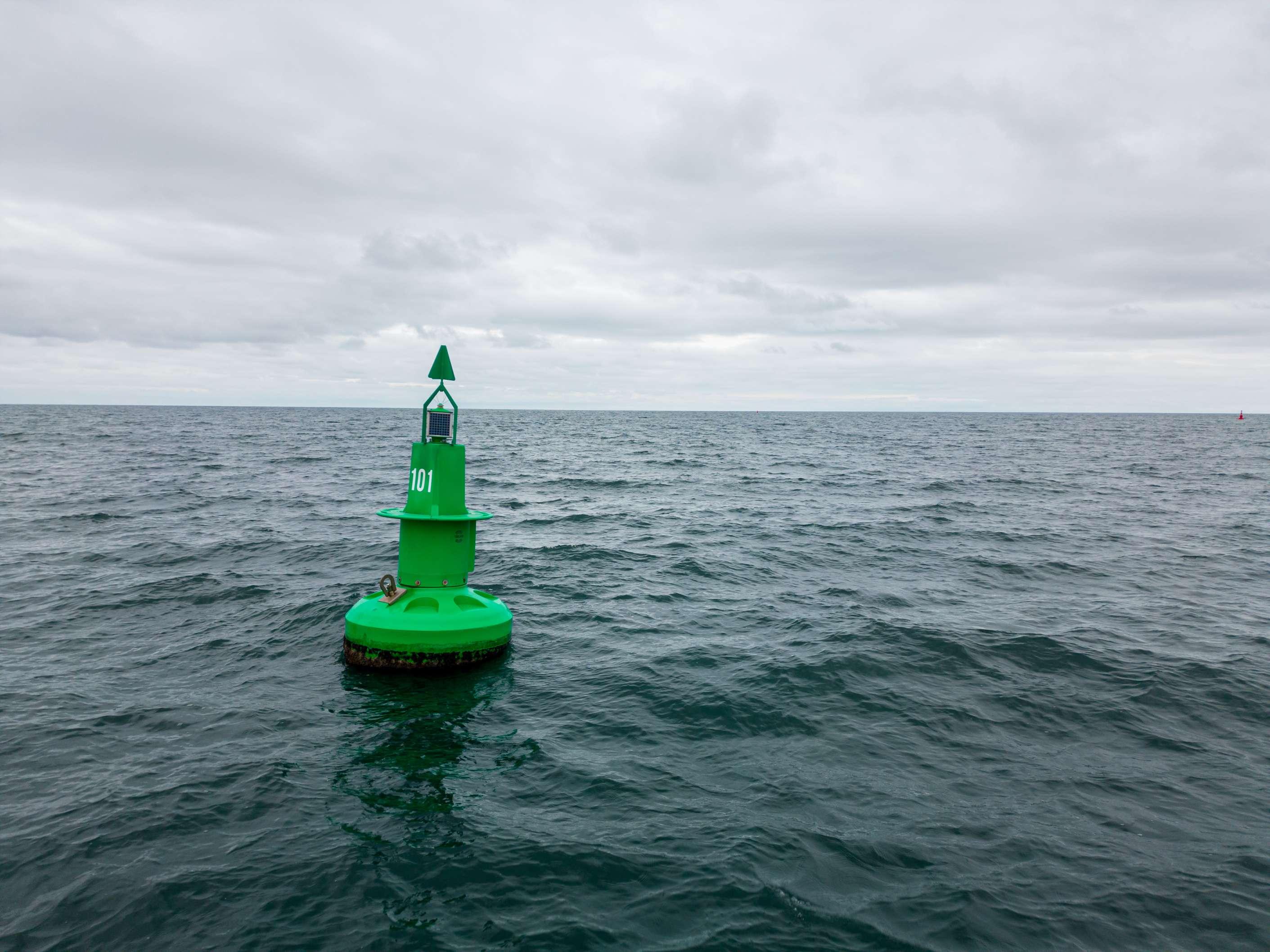
Our planet’s oceans are vast, powerful, and largely unobserved. For centuries, our ability to monitor this critical environment was limited to sporadic ship-based measurements or coastal observations. Today, a quiet revolution is taking place on the water's surface, led by sophisticated floating platforms. Autonomous monitoring systems using buoys are transforming our ability to gather continuous, real-time data from the most remote and hostile corners of the globe.
The traditional purpose of buoys was to serve as passive signposts for sailors. Now, they are evolving into intelligent, self-sustaining laboratories that operate independently for months or years. These systems are crucial for everything from forecasting hurricanes to tracking climate change and ensuring maritime safety. This article will explore how these autonomous systems work, the technology that powers them, and the various types of buoy that are changing our relationship with the ocean.
What Makes a Buoy an Autonomous System?
An autonomous system is one that can operate and achieve its goals without direct human intervention. When applied to buoys, this means moving beyond simple data collection to create a platform that can manage itself, adapt to its environment, and deliver critical information reliably. Several key technologies enable this transformation.
Self-Sustaining Power
To operate for extended periods, an autonomous buoy must generate its own power. Solar panels are the standard, charging onboard batteries to run sensors and communication equipment. Advanced systems are now integrating wave energy converters and small wind turbines, ensuring a constant power supply even during long polar nights or extended cloudy periods.
Advanced Sensor Suites
Modern buoys are packed with a diverse array of sensors tailored to their mission. These can measure atmospheric conditions like wind speed and barometric pressure, oceanographic parameters like wave height and temperature, and even complex biogeochemical variables like water pH, dissolved oxygen, and chlorophyll levels.
Two-Way Communication
An autonomous buoy is not just a transmitter; it's part of a network. Using satellite or cellular communication, these systems send data to shore and can also receive new instructions. Scientists can remotely update software, change sampling rates, or troubleshoot problems, giving them unprecedented control over their offshore assets.
Onboard Intelligence
The most significant leap toward full autonomy is the integration of onboard processing and artificial intelligence (AI). Instead of transmitting massive amounts of raw data, a smart buoy can analyze information locally. It can identify significant events, perform quality control on its own data, and send concise alerts to scientists, saving both power and bandwidth.
The Purpose of Buoys in Autonomous Monitoring
The goal of these systems is to provide the continuous, high-quality data needed to understand and manage our world. This mission breaks down into several key areas.
- Environmental Monitoring: These systems act as an early warning network for environmental hazards. They can detect the initial signs of harmful algal blooms, track the movement of oil spills, or monitor for pollution in coastal areas.
- Climate Research: The ocean absorbs the vast majority of excess heat and carbon from the atmosphere. Autonomous buoys provide the long-term, large-scale data on ocean temperature, salinity, and chemistry that is essential for building accurate climate models.
- Maritime Safety: By providing real-time data on weather and sea state, autonomous buoys help ship captains route their vessels around dangerous storms, improving safety and fuel efficiency. They also form the backbone of tsunami detection networks.
Types of Buoy in Autonomous Systems
Different monitoring tasks require specialized tools. The field utilizes several distinct types of buoy, each designed for a specific autonomous role.
Weather and Data Buoys
These are the workhorses of ocean observation. Typically moored to the seabed, they serve as permanent offshore weather stations.
- Function: They collect foundational data on wind, waves, air pressure, and temperature. A buoy detecting a sudden pressure drop in the tropical Atlantic can provide the first alert of a developing hurricane.
- Autonomy in Action: An autonomous weather buoy can monitor its own power levels and switch to a low-power mode if necessary. It can also perform self-diagnostics on its sensors and flag any that are malfunctioning.
Drifting Buoys (Drifters)
These buoys are not anchored and are designed to move freely with ocean currents. The Global Drifter Program maintains an array of over a thousand of these buoys across the globe.
- Function: Equipped with a GPS and a sea surface temperature sensor, their primary job is to map ocean currents. A drogue, or sea anchor, ensures they move with the water, not the wind.
- Autonomy in Action: These are inherently autonomous. Once deployed from a ship, they operate entirely on their own, transmitting data until their batteries are depleted, often years later.
Profiling Floats (Argo Floats)
These robotic floats represent one of the greatest successes in autonomous ocean monitoring. The international Argo program has deployed nearly 4,000 of these floats.
- Function: An Argo float drifts deep in the ocean. Every 10 days, it autonomously adjusts its buoyancy to sink to 2,000 meters and then rise to the surface, collecting temperature and salinity data as it ascends. At the surface, it transmits its data via satellite before sinking to repeat the cycle.
- Autonomy in Action: The entire mission—diving, profiling, surfacing, and transmitting—is pre-programmed and executed without any human interaction.
Special-Purpose Buoys
This category includes systems designed for highly specific monitoring tasks. Their autonomy allows for targeted, responsive observation.
- Tsunami Detection Buoys (DART): These systems link a surface buoy to a bottom-pressure recorder on the seafloor. The bottom unit autonomously detects the pressure change from a tsunami wave and sends an acoustic signal to the surface buoy, which then automatically relays an alert to warning centers.
- Water Quality Buoys: Deployed in lakes and estuaries, these buoys autonomously monitor for signs of pollution. An AI-enabled system could detect a chlorophyll signature indicative of an algal bloom and automatically increase its sampling frequency to track the event in high resolution.
The Future of Autonomous Monitoring with Buoys
The technology behind these systems is advancing rapidly, pushing the boundaries of what's possible. The future is focused on creating more intelligent, resilient, and interconnected networks.
We are moving toward buoy systems that can collaborate. Imagine a fleet of drifters tracking an oil spill. Using swarm intelligence, they could communicate with each other to coordinate their positions, surrounding the slick to provide a precise, real-time map of its boundary.
Furthermore, buoys will become central hubs in the "Internet of Underwater Things" (IoUT). They will act as surface gateways, collecting data from autonomous underwater vehicles (AUVs) or fixed seafloor sensors and relaying it to shore. This will finally give us a truly three-dimensional, persistent view of the ocean.
Conclusion
The purpose of buoys has fundamentally shifted from passive navigation to active, intelligent environmental monitoring. Autonomous systems using buoys are providing an unprecedented stream of data that is vital for our safety, our economy, and the health of our planet. By operating independently in the most challenging environments on Earth, they fill critical gaps in our knowledge and serve as our sentinels on the front lines of climate change.
From the diverse types of buoy that drift with the currents to those that stand guard over the deep ocean, these sophisticated platforms are the key to understanding our world. As they become smarter, more powerful, and more interconnected, their role in science and society will only continue to grow.

 English
 Français
 Español
 Português
 Deutsch
 Türkçe
 Dutch
Dutch
 Italiano
 Russian
 Romaian