


How Creative Hobbies Can Spark Innovation in Daily Life
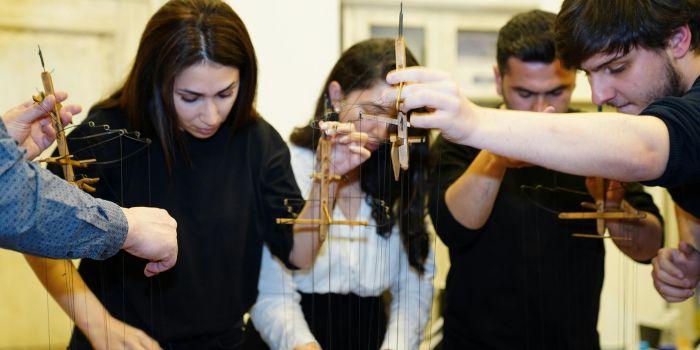
In today’s world, innovation is often talked about as something reserved for tech giants, researchers, or entrepreneurs. But innovation isn’t limited to boardrooms or laboratories. It begins in everyday moments, often cultivated through something surprisingly simple: creative hobbies. Whether you paint, cook, write poetry, design crafts, or play an instrument, these creative outlets have the power to sharpen your thinking, inspire new ideas, and fuel innovation in your daily life.
Creativity isn’t just about artistic expression—it’s about seeing possibilities where others see limits. And the more we engage in creative hobbies, the more we strengthen the mental muscles that help us think differently. Here’s how creative interests can ignite innovation and transform the way we approach problems, decisions, and opportunities.
1. Creative Hobbies Train the Brain to Think Divergently
One of the strongest links between creativity and innovation is divergent thinking—the ability to generate many different ideas, possibilities, or solutions. This style of thinking is the backbone of every major breakthrough.
Creative hobbies naturally encourage divergent thinking because they require exploration rather than strict rules. When you experiment with watercolor blending, try a new recipe, or improvise on a guitar, your brain becomes comfortable taking risks, making unexpected connections, and embracing uncertainty.
These skills translate into daily life by helping you:
-
Solve problems from new angles
-
Come up with creative solutions at work
-
Discover shortcuts and efficiencies
-
Adapt quickly when plans change
The more often you push the boundaries in your creative hobby, the more flexible and innovative your thinking becomes.
2. Creativity Helps You See Patterns and Connections
Innovators excel at one thing: connecting dots that don’t seem related on the surface. Creative hobbies train this ability by making pattern recognition a natural habit.
For example:
-
A photographer learns to see light, symmetry, and composition, enhancing their ability to spot visual patterns.
-
A writer becomes attuned to narrative flow, character development, and emotional arcs—skills that help with communication and persuasion.
-
A gardener learns how seasons, soil, and plant species interact, developing an intuitive understanding of systems thinking.
These seemingly unrelated hobbies strengthen cognitive pathways that help you notice patterns in business, relationships, learning, or problem-solving. This kind of cross-pollination of ideas is a foundation of innovation.
3. Creative Hobbies Encourage Play—a Key Component of Innovation
It’s easy to underestimate the role of play in innovation. Yet some of history’s greatest thinkers—from Einstein to Da Vinci—credited playful curiosity as a driver of their breakthroughs.
Creative hobbies give adults something we rarely allow ourselves: permission to play.
Play encourages:
-
Experimentation
-
Curiosity
-
Openness
-
Joy in discovery
When you play, you loosen rigid thought patterns and become more willing to explore unconventional ideas. This relaxed mental state is often when “aha” moments happen. You may find yourself dreaming up business ideas while knitting or solving a work dilemma while sketching.
Innovation thrives when the mind is free to wander.
4. Creative Activities Build Resilience and Comfort With Failure
Innovation requires trial and error. But many people avoid experimenting because they fear failure.
Creative hobbies provide a safe, pressure-free environment to fail productively.
A painting might not turn out the way you imagined. A DIY project may fall apart. A poem may refuse to rhyme. But instead of discouraging you, these small setbacks build resilience and comfort with imperfection.
When you regularly engage in hobbies where mistakes are normal, you learn to:
-
Adjust quickly
-
Think critically about what went wrong
-
Try again with a new approach
-
Persist even when results aren’t immediate
This mindset naturally spills into daily life. Suddenly, challenges at work or at home feel less like obstacles and more like creative puzzles waiting to be solved. Innovation becomes not only possible, but enjoyable.
5. Hobbies Boost Focus and Mindful Attention
In a constantly distracted world, innovation requires deep focus. Creative hobbies provide a natural pathway to developing this skill.
When you're immersed in a creative activity, the world narrows to the brushstroke, the melody, the craft, or the task at hand. This state of focused attention—known as flow—improves your ability to stay attentive and engaged in other areas of life.
As a result, you may find that creative hobbies help you:
-
Do better quality work in less time
-
Generate clearer ideas
-
Concentrate longer without burnout
-
Think more deeply and strategically
Innovation is rarely born from scattered attention. It comes from a focused, curious mind—something creative hobbies cultivate naturally.
6. Creative Expression Enhances Emotional Intelligence
Emotional intelligence (EQ) is a major driver of innovation, though it’s often overlooked. Creativity strengthens EQ by helping you explore emotions, empathize with others, and communicate more effectively.
A hobby like journaling encourages self-reflection. Writing fiction builds empathy by placing you in someone else’s perspective. Group creative activities, such as dance or theater, enhance collaboration and communication.
With high emotional intelligence, you’re better equipped to:
-
Understand audience needs
-
Build strong relationships
-
Lead and inspire others
-
Navigate conflict effectively
-
Think intuitively about human behavior
These qualities are essential for innovative thinking in both personal and professional settings.
7. Creative Hobbies Promote Mental Well-being—Fueling Clearer Thinking
Innovation thrives when the mind is healthy. Stress, anxiety, and burnout can cloud judgment and limit creativity. Creative hobbies provide a mental reset by:
-
Reducing stress hormones
-
Increasing dopamine
-
Enhancing relaxation
-
Boosting overall happiness
When you feel lighter and more balanced, your ability to think creatively and solve problems improves dramatically. Innovation requires mental energy, and creative hobbies replenish it.
8. Creativity Opens the Door to Lifelong Learning
Engaging in creative hobbies often sparks curiosity about new skills, tools, or subjects. One hobby leads to another, creating a cycle of continuous learning.
This mindset fuels innovation because innovators are, at their core, learners. They question, explore, and seek out new knowledge.
A person who loves cooking may explore international cuisines, chemistry, or nutrition. A photographer might learn about design, travel, and technology. These expanding interests enrich your worldview and equip you with more inputs to create original ideas.
Final Thoughts: Creativity Is the Everyday Fuel of Innovation
Creative hobbies are more than leisure activities—they are engines of innovation. They shape how we think, how we solve problems, and how we approach challenges in both personal and professional life.
By nurturing creativity regularly, you strengthen the cognitive and emotional skills that make innovation possible:
-
Divergent thinking
-
Pattern recognition
-
Curiosity
-
Focus
-
Resilience
-
Joy in discovery
-
Lifelong learning
In a world that constantly demands new solutions and fresh perspectives, your creative hobby might just be one of your strongest tools for transformation.
So pick up that camera, guitar, recipe book, or journal. Explore without expectation. Play without pressure. You may be surprised at how much innovation starts to bloom in the everyday moments of your life.

 Arabic
 Français
 Español
 Português
 Deutsch
 Türkçe
 Dutch
Dutch
 Italiano
 Russian
 Romaian