


How Filtration Standards Shape the KN95 Face Mask
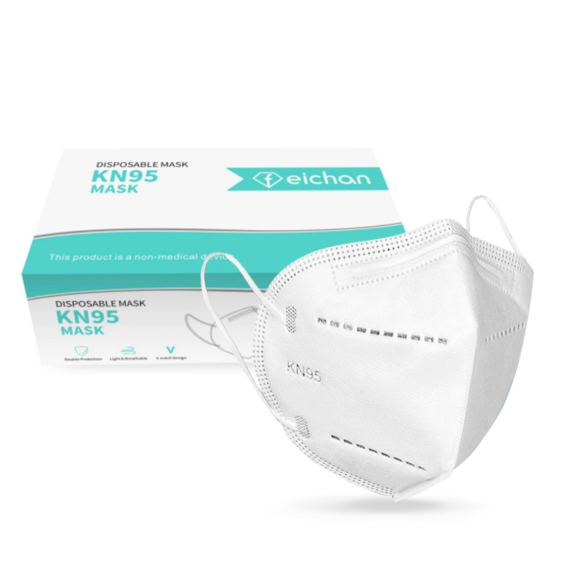
The KN95 face mask has become a critical tool in our fight against airborne pathogens, particularly during health crises. As more people seek reliable protection, understanding the intricacies of these masks is essential. But what exactly makes a KN-95 stand out from other options on the market? It all boils down to filtration standards and how they shape its performance. With increasing awareness of respiratory health, many are turning to KN-95s for reassurance. This mask not only offers a snug fit but also uses advanced materials to filter out harmful particles. Grab your breathing space as we delve deep into how filtration efficiency, material composition, and proper usage come together to make the KN-95 an indispensable ally in safeguarding our well-being. Let’s unravel what sets this protective gear apart!
Understanding Particulate Filtration Efficiency
Particulate Filtration Efficiency (PFE) is crucial when evaluating the effectiveness of a KN-95 face mask. PFE measures how well a mask filters airborne particles, including dust, pollen, and viral pathogens. A high filtration efficiency rating indicates that the mask can effectively block these harmful elements from entering the respiratory system.
KN-95 masks are designed to achieve at least 95% PFE against non-oily particles. This capability makes them particularly valuable in healthcare settings or during outbreaks of infectious diseases. Understanding this metric helps users appreciate why certain masks offer better protection than others.
The performance of a KN-95 mask depends on its design and material composition. Each layer serves a specific purpose, trapping particles while allowing breathability—essential for comfortable wear over extended periods. Choosing a mask with superior PFE ensures additional safety whether you’re at work or navigating crowded spaces.
Comparison with International Respirator Standards
The KN-95 face mask is often compared to other international respirator standards, such as N95 and FFP2. Each of these masks has its unique specifications tailored to different filtration requirements. The N95 standard is recognised primarily in the United States, while FFP2 is more commonly used across Europe.
While all three types are designed to filter out airborne particles, their testing methods and performance criteria can differ. For instance, both KN-95 and N95 masks require a minimum particulate filtration efficiency of 95%. However, specific tests may vary based on regional guidelines and safety regulations.
Understanding these differences helps consumers make informed choices about respiratory protection. It's crucial to recognise that not all masks labelled as "KN-95" meet the stringent requirements set by authorities. Therefore, awareness of international standards ensures better health outcomes during critical times when high-quality face coverings are essential.
Material Composition and Layered Construction
The material composition of a KN-95 face mask plays a vital role in its effectiveness. Typically, these masks are constructed from multiple layers of non-woven fabric, which enhances their particulate filtration capabilities. Each layer serves a distinct purpose, contributing to the overall performance.
The outermost layer is designed to repel moisture and prevent droplet penetration. Beneath this lies an electrostatic filter layer that effectively captures smaller particles. This innovative design allows for high filtration efficiency while maintaining breathability, making it easier for users to wear the mask for extended periods.
The inner layer often features soft materials that provide comfort against the skin. This thoughtful layering ensures not only protection but also user comfort—an essential consideration for prolonged wear across various environments. The combination of these elements makes the KN-95 face mask a reliable choice for respiratory protection.
The Importance of the Electrostatic Layer
The electrostatic layer in a KN-95 face mask plays a critical role in enhancing filtration efficiency. This specialised layer is designed to attract and capture particles, including dust, pollen, and pathogens. The electrostatic charge helps filter out smaller particles that typical mechanical barriers might miss.
This technology sets the KN-95 apart from standard masks. It ensures that even microscopic aerosols are effectively trapped as they pass through the mask's layers. As a result, wearers benefit from superior protection against airborne contaminants.
Moreover, this layer enhances breathability without compromising safety. Users can maintain comfort while still receiving optimal protection against harmful substances in their environment. The balance between filtration efficiency and ease of breathing makes the electrostatic layer an indispensable feature of high-quality KN-95 masks.
Fit and Seal for Effective Protection
The effectiveness of a KN-95 face mask hinges significantly on its fit and the ability to form a proper seal around the wearer's face. A well-fitted mask is crucial, as gaps can allow unfiltered air to enter, compromising protection. When it comes to respiratory masks, even the best filtration technology falls short if not fitted correctly.
A snug fit ensures that all inhaled air passes through the mask's layers rather than leaking in from the sides. This is particularly important when navigating environments with higher exposure risks, such as healthcare settings or crowded public spaces. To achieve an effective seal, users should take time to properly adjust their masks. The straps must be positioned securely behind the ears or at the back of the head for optimal comfort and effectiveness. Some models come equipped with adjustable nose clips that help shape the mask more closely to the contours of the face.
Regularly checking for any signs of wear or damage is also essential in maintaining both fit and efficacy over time. As our understanding of airborne pathogens evolves, equipment that meets stringent fit standards becomes increasingly vital for individual safety and community health.
Testing and Certification Protocols
Testing and certification protocols for the KN-95 face mask are vital to ensuring its effectiveness. These masks undergo rigorous evaluations to meet specific safety standards set by regulatory bodies. Each mask undergoes tests measuring its filtration efficiency, fit, and breathability.
The most recognised testing standard is GB2626-2006, issued by the Chinese government. This involves assessing how well the mask filters out airborne particles while maintaining comfort during use. Independent laboratories conduct these tests under controlled conditions to ensure accuracy.
Certification occurs only when a product meets or exceeds these stringent requirements. Manufacturers must provide documentation proving their masks have passed all necessary evaluations before they can be sold as legitimate KN-95 masks. This process helps consumers trust that they are using protective gear designed to perform optimally against respiratory threats.
Selecting a Genuine KN95 Face Mask
When choosing a genuine KN95 face mask, start by checking for proper certification. Authentic masks should have specific markings indicating compliance with standards set by regulatory bodies such as the FDA or NIOSH. Look for a label that includes the model number and manufacturer information.
Next, consider purchasing from reputable sources. Authorised retailers and official distributors are more likely to stock legitimate products. Avoid marketplaces where sellers may not provide adequate information about their items.
Inspect the packaging itself. Genuine KN-95 masks often come with clear instructions and quality assurance seals. If something feels off—like poorly printed labels or flimsy materials—it's best to look elsewhere. Investing time in selecting the right mask ensures better protection against harmful airborne particles.
User Compliance and Proper Wear
Wearing a KN-95 face mask correctly is crucial for effective protection against airborne particles. Even the best masks cannot provide adequate safety if not worn properly. Users must ensure that the mask covers both their nose and mouth completely, creating a secure barrier.
Adjusting the straps to fit snugly can help achieve this seal. Gaps or loose fits allow contaminants to enter, undermining the mask's filtration efficiency. Regular checks throughout wear are important, especially if you're moving around or talking frequently.
Education on proper donning and doffing techniques is essential as well. Touching the front of the mask can transfer contaminants from your hands directly onto your respiratory protection device, negating its purpose. Understanding these practices enhances overall user compliance and ensures maximum effectiveness of KN-95 face masks in daily use.
Distinguishing Between Legitimate and Counterfeit Products
The rise in demand for KN-95 face masks has led to an increase in counterfeit products. These imitations often lack the essential features that provide effective protection against airborne particles. Recognising the red flags is crucial for consumers.
Look for certification markings on the packaging, such as those from the National Institute for Occupational Safety and Health (NIOSH) or other respected regulatory bodies. Genuine KN-95 masks should also have clear labelling that includes the manufacturer’s name and lot number. If any of these elements are missing, it's a warning sign.
Additionally, examine the overall quality of the construction materials. Authentic KN-95 masks typically feel sturdy yet comfortable, with multiple layers designed to enhance filtration efficiency. Counterfeit options may appear flimsy or poorly constructed—an immediate indication they won’t deliver necessary protection.
Role in Respiratory Protection Strategies
The KN-95 face mask plays a critical role in modern respiratory protection strategies. Designed to filter out at least 95% of airborne particles, it serves as a frontline defence against harmful pathogens and pollutants. This efficiency makes it an essential tool not only for healthcare professionals but also for the general public during health crises.
In environments with high exposure risks, such as hospitals or crowded spaces, the KN-95 mask significantly reduces the likelihood of contracting respiratory illnesses. Its layered structure enhances filtration while maintaining breathability, making it suitable for extended use.
Moreover, combining KN-95s with other protective measures—such as social distancing and hand hygiene—creates a comprehensive approach to safeguarding health. As part of these strategies, understanding how to wear and maintain these masks is equally important in maximising their effectiveness.
Conclusion
The KN95 face mask represents a critical component in the fight against respiratory illnesses. Its design and filtration capabilities are tailored to protect both the wearer and those around them. As we navigate environments with potential airborne hazards, understanding these masks becomes essential. Awareness of standards and certifications is key. Knowing how to identify genuine products can significantly impact health outcomes. Proper usage enhances their efficacy, making education about fit and seal crucial. As demand for protective gear continues, remaining vigilant against counterfeit options is vital. Emphasising quality over convenience ensures that individuals are truly safeguarded. Investing time in learning about the KN-95 face mask ultimately contributes to better public health initiatives.
FAQs
What is the particulate filtration efficiency (PFE) of a KN95 face mask?
KN95 face mask is designed to filter at least 95% of airborne particles 0.3 microns or larger. This high level of filtration efficiency makes them suitable for various environments where exposure to dust, allergens, and viruses is a concern.
How do KN-95 masks compare with other international respirator standards?
KN-95 masks meet the Chinese national standard GB2626–2006, which aligns closely with NIOSH's N95 and Europe’s FFP2 standards. Each certification aims to provide similar levels of protection but follows different testing protocols.
What materials are used in constructing a KN-95 mask?
A typical KN-95 mask features multiple layers of nonwoven fabric, melt-blown polypropylene, and, sometimes, an electrostatic layer. This layered construction enhances its ability to filter out particulates effectively while maintaining breathability.
Why is the electrostatic layer significant in these masks?
The electrostatic layer plays a critical role by attracting and capturing smaller particles as they pass through the mask material. This feature increases overall filtration efficiency beyond what mechanical barriers alone can achieve.
How can I ensure I'm wearing my KN-95 mask correctly?
For maximum effectiveness, it’s essential to fit your mask snugly over your nose and mouth, with no gaps along the edges. Always adjust ear loops or straps so there’s no space between your face and the mask; this helps maintain proper sealing throughout wear.
|
Related Business Listings |

 English
 Arabic
 Français
 Español
 Português
 Deutsch
 Türkçe
 Dutch
Dutch
 Italiano
 Romaian