


How to Safeguard Urban Green Spaces From Development?
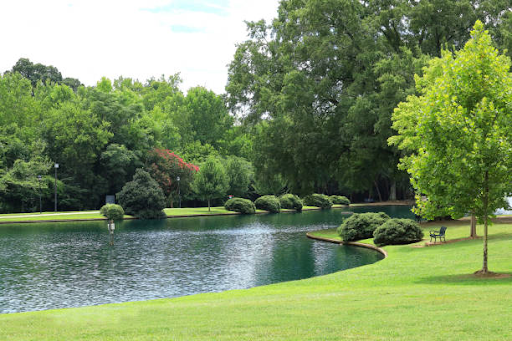
To safeguard urban green spaces from development, we can start by educating our communities on their benefits and organizing local events like tree planting. Let’s engage with local governments by presenting data that highlights the health advantages of green spaces. By advocating for proactive zoning regulations and collaborating with developers for integrated green designs, we can guarantee these areas thrive. Together, we can strengthen our efforts and explore more strategies to protect these crucial community assets.
Understanding the Importance of Urban Green Spaces
Urban green spaces are crucial lifelines for our communities, fostering social interaction and enhancing overall well-being. They encourage outdoor activities in walkable neighborhoods, making our areas more inviting for families and prospective buyers.
These spaces not only beautify our environment but also generate economic benefits for local governments and businesses, driving investments and increasing local engagement. Additionally, they influence policy-making regarding zoning and land-use, ensuring that we prioritize green areas in our urban planning.
Assessing Threats to Urban Green Spaces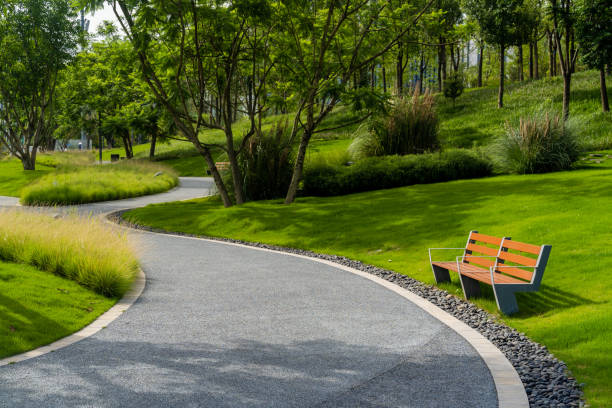
As we recognize the essential role urban green spaces play in our communities, it’s important to also consider the various threats they face. Urban development often encroaches on these critical areas, prioritizing concrete and infrastructure over nature.
The urban heat island effect exacerbates this issue, raising temperatures and increasing air conditioning demands, which disproportionately affects vulnerable communities. Environmental racism further compounds these threats, as marginalized neighborhoods typically have less green space.
Additionally, city regulations can stifle community gardening efforts, limiting access to fresh produce in food deserts. We must also be aware of the increasing pollution levels that threaten the health of both our green spaces and the residents who rely on them.
Addressing these threats is essential for preserving our urban ecosystems.
Strategies for Community Advocacy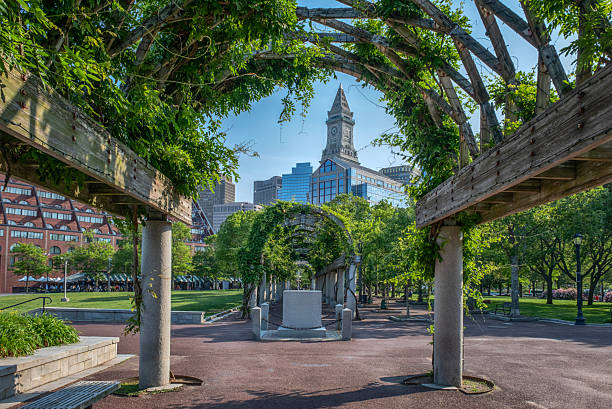
While many communities face the challenges posed by extreme heat and limited green spaces, we’ve the power to advocate for change and create a healthier environment.
First, we can educate ourselves and others about the benefits of green spaces, emphasizing how they cool our neighborhoods and improve air quality.
Next, let’s organize community events like tree planting days or educational workshops to raise awareness and engage our neighbors.
We can also collaborate with local organizations to apply for grants that support green initiatives.
Finally, let’s harness social media to amplify our voices and share success stories.
Together, we can push for policies that prioritize green spaces, ensuring a sustainable and equitable future for our communities.
Engaging Local Governments and Stakeholders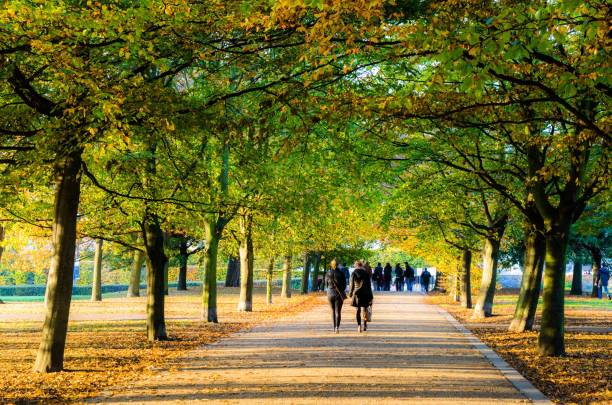
Advocating for green spaces requires us to engage local governments and stakeholders effectively. By collaborating with these entities, we can amplify our voices and guarantee that green initiatives receive the attention they deserve.
We should actively participate in local meetings, present data supporting the benefits of urban green spaces, and share community feedback. It’s vital to showcase how improved green areas can combat urban heat and enhance public health, especially in marginalized neighborhoods.
Utilizing programs like the Outdoor Recreation Legacy Partnership can help us secure funding for projects. Together, we can build momentum for policies that prioritize green spaces, fostering a healthier environment for everyone.
Let’s make our collective voices heard and champion sustainable urban development!
Implementing Long-Term Protection Measures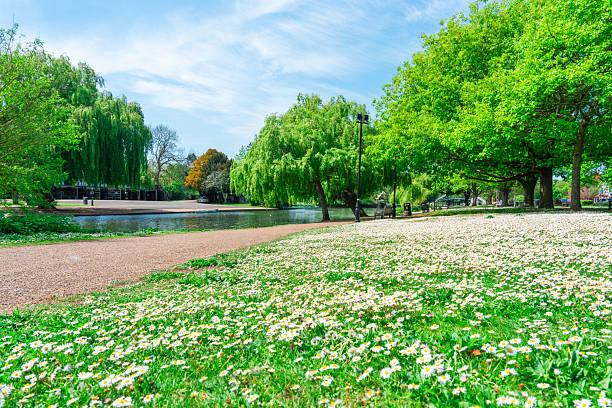
To guarantee the longevity of urban green spaces, we must implement robust protection measures that safeguard these fundamental areas from development pressures.
Proactive zoning regulations are critical; they designate areas specifically for green spaces, preventing encroachment. We should prioritize thorough urban plans that link parks with green corridors and pedestrian pathways, enhancing accessibility for all.
Financial incentives, like grants and tax breaks for developers who include green spaces, can also play a significant role.
Community engagement is imperative; involving residents in planning guarantees that diverse needs are met, fostering equitable access.
By advocating for policies that treat green spaces as essential infrastructure, we can create a sustainable urban environment that benefits everyone.
Let’s commit to these long-term protections together.
Frequently Asked Questions
What Are the Best Native Plants for Urban Green Spaces?
We recommend choosing native plants like coneflowers, black-eyed Susans, and milkweed for urban green spaces. They attract pollinators, require less maintenance, and thrive in our local conditions, enhancing biodiversity and community aesthetics.
How Can Schools Participate in Preserving Urban Green Spaces?
We can engage schools in preserving urban green spaces by organizing community gardens, conducting nature workshops, and advocating for green projects. Together, we’ll educate students about the importance of these spaces for our environment and community.
What Role Do Businesses Play in Supporting Green Spaces?
Businesses play an essential role in supporting green spaces by sponsoring community events, funding maintenance, and collaborating with local organizations. Together, we can enhance urban environments, foster community pride, and create healthier, more vibrant neighborhoods.
How Can Technology Help Monitor Urban Green Spaces?
We can leverage technology by using drones, sensors, and data analytics to monitor urban green spaces, track health and growth, assess environmental impacts, and engage the community in real-time, enhancing our collective stewardship efforts.
What Are the Signs of a Healthy Urban Green Space?
Healthy urban green spaces show vibrant plant life, diverse species, clean pathways, and active community engagement. We notice people utilizing these areas for recreation, socializing, and enjoying nature, reflecting overall well-being and ecological balance.
Conclusion
To sum up, protecting our urban green spaces is a shared responsibility that we can all embrace. By understanding their importance, recognizing the threats they face, and actively advocating for their preservation, we can make a real difference. Let’s engage with our local governments and communities, ensuring that green spaces remain vibrant and accessible. Together, we can create a sustainable urban environment that balances development with nature, securing a healthier future for ourselves and generations to come.

 English
 Arabic
 Français
 Español
 Português
 Deutsch
 Türkçe
 Dutch
Dutch
 Italiano
 Romaian