Selecting the right living area rugs is essential for creating structure, comfort, and visual harmony within a home. A rug in the living area is not simply decorative, it defines zones, anchors furniture, and enhances the overall spatial flow. When chosen thoughtfully, it becomes the foundation of the room’s design.
What Size Rug Is Best for a Living Area?
The best living area rug is large enough to fit under at least the front legs of sofas and chairs, ensuring the seating arrangement feels connected and proportionate.
A common mistake is choosing a rug that is too small. Undersized rugs break the visual flow and make furniture appear disconnected. Instead:
-
Measure the full seating layout before purchasing.
-
Allow 8–12 inches of floor space around the rug’s perimeter.
-
Ensure symmetry on both sides for balance.
Large-format rugs often make a room appear more expansive and cohesive.
How Living Area Rugs Define Space?
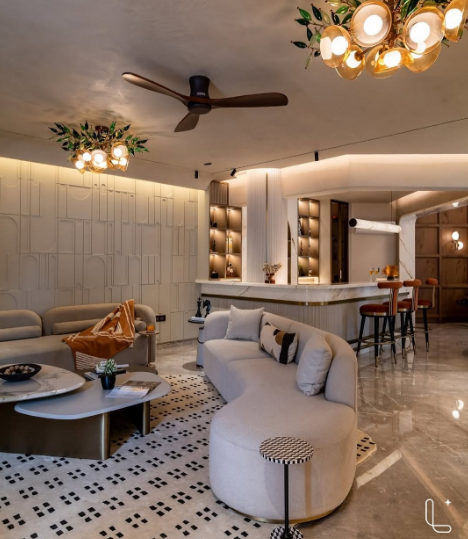
In open-concept homes, rugs serve as subtle dividers. Without walls separating areas, a rug visually distinguishes the seating zone from dining or workspaces.
Rectangular rugs support linear furniture layouts.
Square rugs complement symmetrical seating.
Oversized rugs unify large rooms with multiple seating elements.
Well-proportioned rugs prevent fragmentation and create a grounded, intentional layout.
Premium design-led brands such as Loops by LJ focus on proportion-conscious craftsmanship, ensuring that each piece complements architectural flow while maintaining durability.
Choosing the Right Material
Material selection influences both comfort and longevity.
Wool Rugs: Naturally resilient, soft, and ideal for moderate to high traffic.
Hand-Tufted Rugs: Structured with a plush surface for everyday use.
Natural Fiber Rugs: Offer texture and grounding for minimalist interiors.
For family living areas, durability should align with aesthetic preference. A dense construction helps maintain shape and prevent uneven wear.
Color and Pattern Strategy
Color affects perceived room size and mood.
-
Light tones create openness and airiness.
-
Dark shades add depth and grounding.
-
Subtle patterns conceal wear in high-use spaces.
If furniture features bold upholstery, opt for neutral living area rugs to maintain balance. Conversely, minimal interiors benefit from textured or patterned designs for visual interest.
Frequently Asked Questions
Should a living area rug go under the sofa?
Yes, at least the front legs should rest on the rug for cohesion.
Can a rug make a small living area look bigger?
Yes, using a larger rug can visually expand the space.
How thick should a living area rug be?
Medium to dense pile rugs offer comfort without affecting furniture stability.
Do I need a rug pad?
Yes, a rug pad prevents slipping and extends the rug’s lifespan.
Final Thoughts
Living area rugs are structural design elements that enhance proportion, define zones, and improve comfort. When size, material, and placement are carefully considered, the rug becomes the anchor that ties the entire room together.
Rather than treating it as an afterthought, selecting the right rug ensures both aesthetic refinement and long-term functionality. With thoughtful choices and quality craftsmanship, a living area transforms into a cohesive, welcoming environment built for everyday living.




 Arabic
 Français
 Español
 Português
 Deutsch
 Türkçe
 Dutch
Dutch
 Italiano
 Russian
 Romaian