


Step-by-Step Above Ground Grease Trap Installation Process Explained
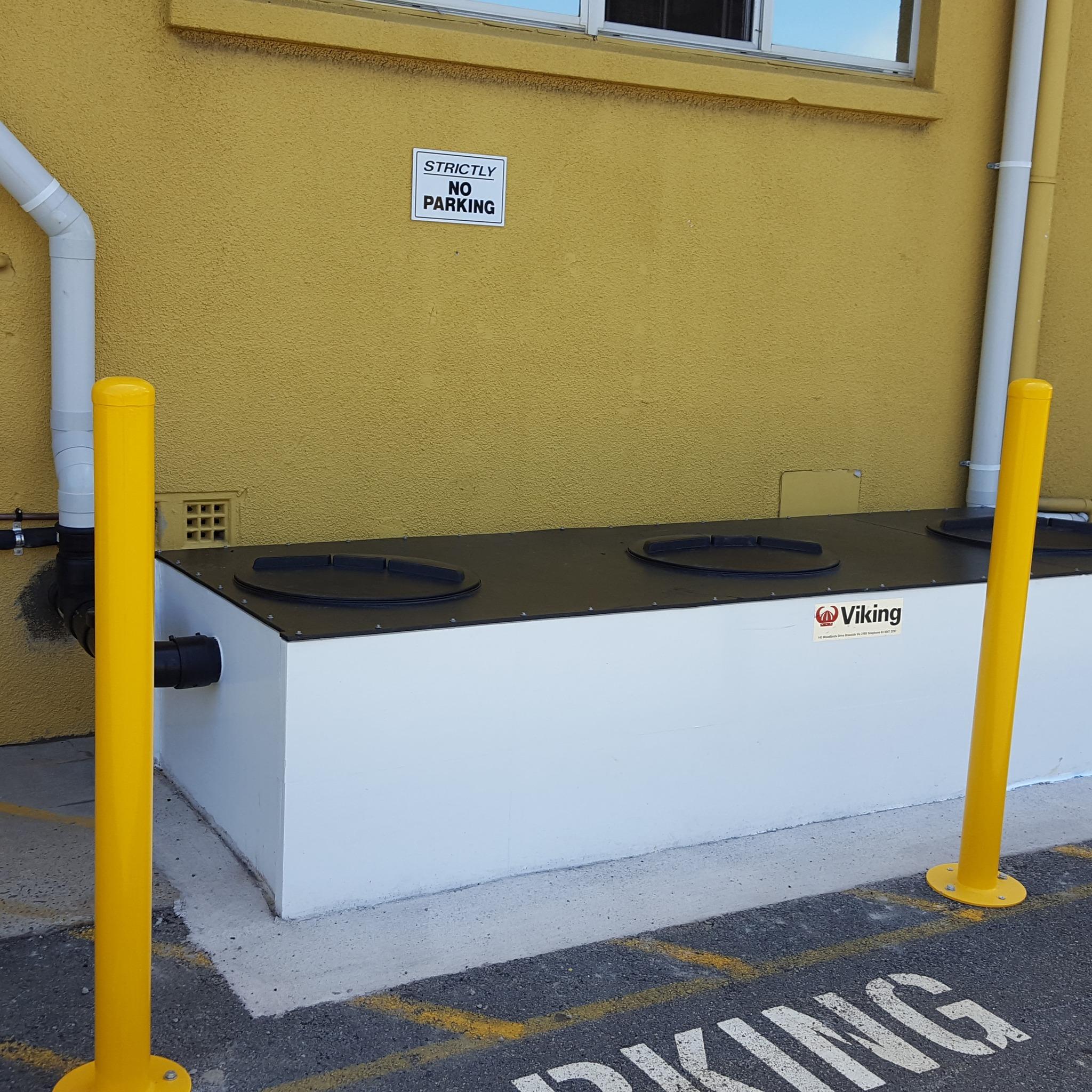
If you run a commercial kitchen, a food truck, or even a busy home kitchen that handles heavy cooking, you've probably heard about grease traps — but do you know how to install one above ground the right way? Above ground grease traps are a practical and accessible solution for intercepting fats, oils, and grease (FOG) before they wreak havoc on your plumbing and municipal sewer systems. Done correctly, installation is straightforward, cost-effective, and something even a handy building manager can tackle with confidence.
Here's a detailed, practical guide to help you understand the entire process from start to finish.
Why Above Ground Grease Traps Matter
Grease traps work by slowing down the flow of warm, greasy water and allowing fats and oils to cool, separate, and float to the top while solids sink to the bottom. The clarified water in the middle then flows safely into the drain line. Without this interception, FOG accumulates inside your pipes, hardens over time, and causes expensive blockages, backups, and even regulatory fines. Above ground units are especially popular because they're easier to access, inspect, and maintain than their underground counterparts.
What You'll Need Before You Start
Before picking up a wrench, gather your materials and verify local codes. Most municipalities require grease trap installations to meet specific flow rate and capacity requirements, so check with your local authority. You'll typically need:
- An approved above ground grease trap (sized according to your kitchen's sink flow rate, usually measured in gallons per minute)
- PVC or ABS pipe and fittings
- Plumber's putty or thread sealant
- A pipe cutter or hacksaw
- A level
- Adjustable wrench and pliers
- Safety gloves and eye protection
Step 1: Determine the Right Location
Position your grease trap as close to the source sink or dishwasher as possible — ideally under the three-compartment sink or directly in-line with the prep sink drain. The unit should sit on a flat, stable surface. It must remain accessible at all times for regular cleaning and inspection, so avoid cramped spots behind equipment. Ensure the trap is level; even a slight tilt can compromise the separation process and reduce efficiency.
Step 2: Shut Off Water and Prepare the Drain Line
Turn off the water supply to the affected fixture. Disconnect the existing drain line from the sink's drain outlet. Use a pipe cutter to cleanly trim any sections of pipe you'll be rerouting to connect to the inlet side of the grease trap. Clean cut edges are critical — burrs and rough edges create areas where grease can accumulate prematurely.
Step 3: Connect the Inlet Side
The inlet port is where wastewater flows into the trap from the sink. Connect your drain line from the sink to the grease trap's inlet using the appropriate fittings. Apply thread sealant or plumber's putty at every threaded joint to prevent leaks. The inlet pipe should have a slight downward slope (about ¼ inch per foot) toward the trap to encourage flow by gravity.
Step 4: Connect the Outlet Side
The outlet port leads wastewater from the trap to the building's main drain line. Repeat the same process — connect the outlet pipe with proper fittings and sealant, maintaining the downward slope toward the main drain. Make sure there are no upward bends or "traps within the trap," which can cause airlocks and restrict flow.
Step 5: Secure and Seal the Lid
Above ground grease traps have a removable lid for cleaning access. Ensure the lid gasket is properly seated before securing it. Some models use wing nuts or clamps; tighten these firmly but avoid overtightening, which can crack the housing. A proper seal prevents odors from escaping into the kitchen — a detail that health inspectors and staff will both appreciate.
Step 6: Test the System
Restore the water supply and run water through the connected fixture. Check every joint and fitting for drips or seepage. Let the trap fill and observe the flow through both the inlet and outlet sides. The water should pass through smoothly with no gurgling or backflow. If you spot any leaks, tighten the affected connections or reapply sealant and retest.
Step 7: Label and Document
Once installation is confirmed leak-free, label the grease trap with the installation date and your cleaning schedule. Most above ground units require cleaning every one to three months depending on usage volume. Keeping a maintenance log is not only good practice — it's often required by local health codes.
Ongoing Maintenance Tips
Even the best installation means little without consistent upkeep. Scrape plates before washing, avoid pouring cooking oils down drains, and always pump or manually clean the trap on schedule. Companies like Citi Industries specialize in grease management products and can help you select traps, accessories, and maintenance supplies suited to your specific kitchen load.
Final Thoughts
Above ground grease trap installation isn't complicated when you break it down step by step. The key is proper placement, correct slope, watertight connections, and a reliable maintenance routine. Getting this right from day one protects your plumbing, keeps you compliant with health and environmental regulations, and saves you from costly emergency repairs down the line. With the right tools, a little preparation, and this guide in hand, you're well-equipped to get the job done properly.

 English
 Arabic
 Français
 Español
 Deutsch
 Türkçe
 Dutch
Dutch
 Italiano
 Russian
 Romaian