


How Many Types Of Animations
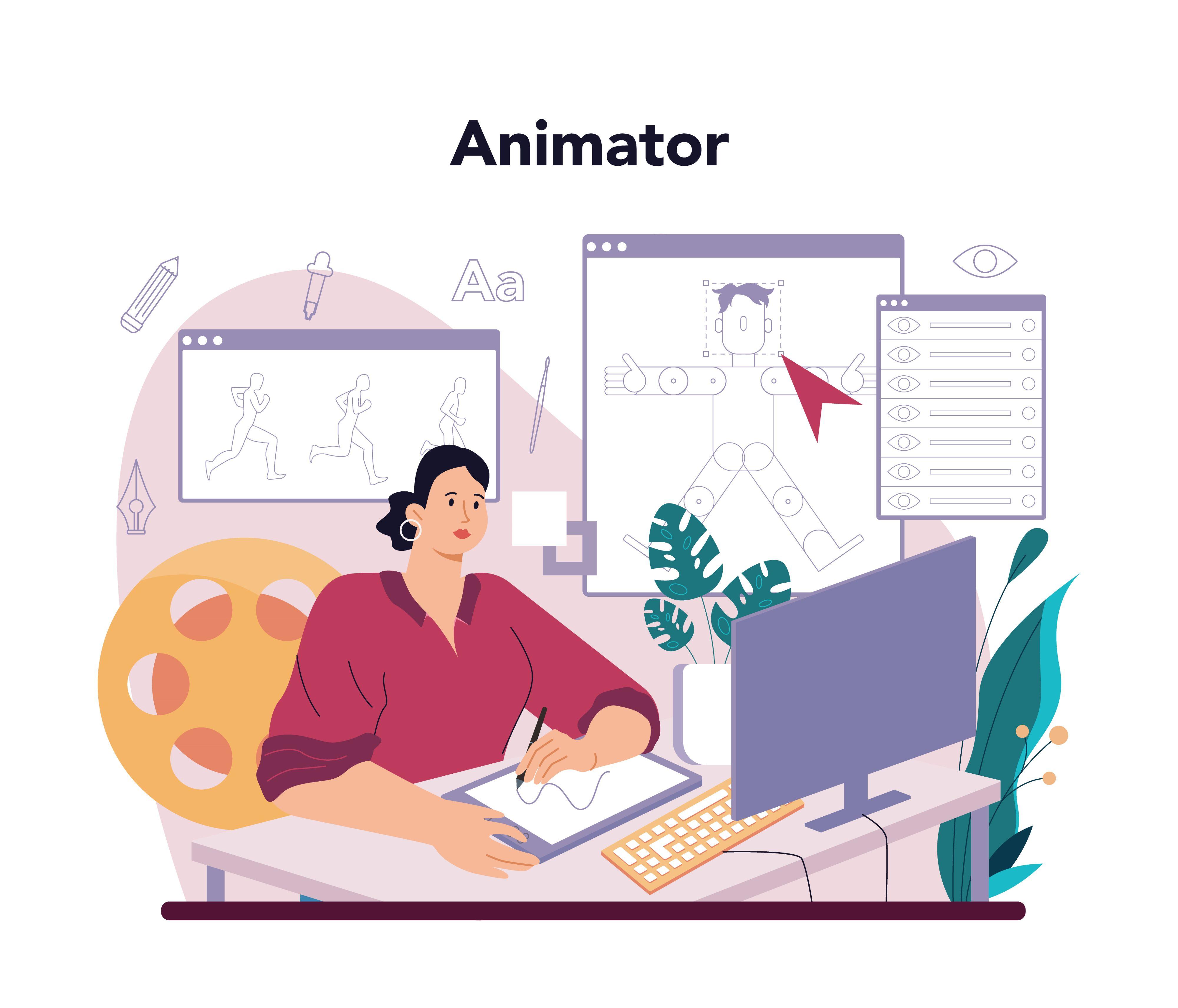
Animation has evolved significantly over the years, becoming a powerful tool for entertainment, marketing, education, and digital communication. But how many types of animations actually exist? While animation can be categorized in different ways, it is generally divided into several major types based on technique, style, and production method. Understanding these types helps businesses, creators, and aspiring animators choose the right approach for their projects.
1. Traditional Animation (Cel Animation)
Traditional animation is one of the oldest forms of animation. It involves drawing each frame by hand on paper. These drawings are then photographed and played in sequence to create movement. Classic cartoons from the early 20th century used this method extensively.
Although largely replaced by digital tools, traditional animation still influences modern techniques. It requires strong drawing skills and a deep understanding of motion principles.
2. 2D Animation
2D animation refers to creating movement in a two-dimensional space. Characters, backgrounds, and objects are designed in flat planes and animated frame by frame or through digital rigging techniques. Today, 2D animation is widely used in explainer videos, advertisements, mobile games, and educational content.
Many businesses rely on professional 2d animation services to produce engaging marketing videos and brand storytelling content. This style is cost-effective, versatile, and visually appealing for various industries.
3. 3D Animation
3D animation creates characters and environments in a three-dimensional digital space. Objects have depth, realistic lighting, and complex movements. This type of animation is commonly used in films, video games, product visualization, and architectural rendering.
3D animation requires specialized software and advanced technical knowledge, making it more complex and resource-intensive compared to 2D animation.
4. Motion Graphics
Motion graphics focus on animating graphic design elements such as text, icons, shapes, and logos. Unlike character-based animation, motion graphics are primarily used for presentations, promotional videos, social media content, and corporate branding.
This type is popular among businesses because it clearly communicates information in a visually engaging way.
5. Stop Motion Animation
Stop motion animation involves photographing physical objects frame by frame while making small adjustments between each shot. When played in sequence, the images create the illusion of movement.
There are different forms of stop motion, including:
-
Clay animation (claymation)
-
Puppet animation
-
Cut-out animation
-
Object animation
Although time-consuming, stop motion offers a unique and artistic visual style.
6. Whiteboard Animation
Whiteboard animation simulates drawings being created on a whiteboard in real time. It is commonly used for educational and explainer videos because it simplifies complex topics and maintains viewer attention.
This format is especially popular for corporate training, marketing campaigns, and online courses.
7. Typography Animation
Typography animation focuses on animating text to emphasize messaging. It is often combined with motion graphics and used in advertisements, music videos, and social media promotions.
The effectiveness of typography animation depends heavily on timing, transitions, and visual rhythm.
8. Cut-Out Animation
Cut-out animation uses flat characters and objects that are moved in segments to create motion. Modern digital cut-out animation uses software-based rigging systems instead of physical paper cut-outs.
This technique is efficient and widely used in television cartoons and online content.
Choosing the Right Type of Animation
The best type of animation depends on your goals, audience, budget, and message. Beginners exploring animation often start by learning the best 2d animation software for beginners to understand fundamental concepts before advancing to more complex techniques.
Businesses typically select animation styles based on branding needs and target audience engagement. For example, startups may prefer 2D explainer videos, while large enterprises may invest in 3D product visualizations.
Conclusion
There are multiple types of animation, each serving a unique purpose. From traditional hand-drawn animation to modern 3D and motion graphics, the choice depends on creative vision and project objectives. Whether for entertainment, marketing, or education, animation continues to be one of the most impactful visual communication tools in the digital world.

 Arabic
 Français
 Español
 Português
 Deutsch
 Türkçe
 Dutch
Dutch
 Italiano
 Russian
 Romaian