Starting a new medication can feel like a big step, and it is completely normal to have questions about how it all works. For those who have been prescribed Mounjaro, understanding the dosage schedule is a key part of the journey. This guide is designed to walk a beginner through the basics of Mounjaro injections, focusing on how the dosing typically starts and progresses. The goal is to provide clear, friendly information so anyone new to this treatment can feel informed and confident.
Understanding the Starting Dose
When beginning treatment with Mounjaro injection, the body needs time to adjust to the medication. This is why everyone starts with a specific, low introductory dose. The purpose of this initial dose is to help the body acclimate gently. It is the smallest dose in the entire treatment plan and is not meant to be a long-term maintenance level. A beginner will typically follow a structured schedule that gradually increases over time. This slow and steady approach is a standard practice designed with the individual's comfort in mind.
What to Expect with the First Injection
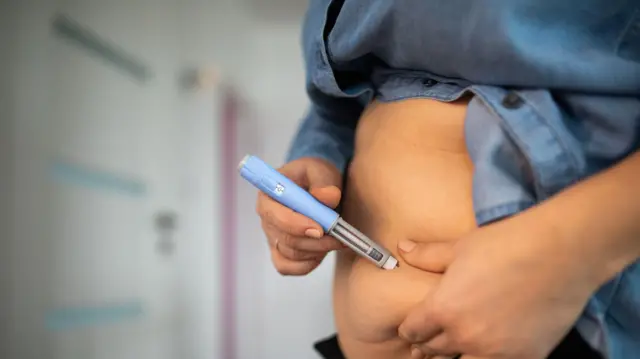
The very first injection can feel like a significant moment, but the process is designed to be straightforward. The medication comes in a pre-filled, single-dose pen that is ready to use. The needle is very fine and is hidden inside the pen, which helps make the experience less intimidating for many people. The injection is given just under the skin, in areas like the stomach, thigh, or upper arm. The sensation is often described as a quick, mild pinch. It is a simple process that quickly becomes a routine part of the week.
The Gradual Dose Escalation Schedule
Mounjaro follows a specific dosing schedule that increases over a period of several weeks. This step-by-step increase is an essential part of the process. It allows the body to build tolerance to the medication slowly. The dosage typically increases every four weeks, meaning an individual will stay on one particular dose for a full month before moving up to the next level. This pattern continues until the body reaches a dose that is right for maintenance.
The Initial Low Dose
For the first four weeks, a person will use the lowest available dose. This is considered the initiation phase. During this time, the body is getting used to the medication. It is a period of adjustment, and it is perfectly normal for the body to be responding to a new substance. The focus during this first month is on consistency and building a habit with the weekly injection routine.
Moving to the Next Level
After completing the first month, the dosage is typically increased to the next level. This is still considered part of the build-up phase. The body continues to adjust to the increased amount of medication in the system. This second month helps move closer to a range where the medication may be most effective. Staying on this dose for another four weeks allows the body to stabilize before the next increase.
Reaching the Maintenance Doses
The dose continues to increase every four weeks over the next several months. There are multiple dose levels in the escalation schedule. The goal is to find a maintenance dose that works well for the individual. Some people may find that their body responds best at a certain level, while others may continue to the highest dose. The prescribing provider will guide this process, monitoring progress to determine the optimal dose for long-term use. It is a personalized journey, and the schedule is a flexible guide to find the right fit.
How to Administer the Injection
Getting comfortable with the injection process is an important part of the journey. The manufacturer has designed the pens to be user-friendly. Each pen is for one-time use only and delivers a single, fixed dose. There is no need to measure or draw up the medication, which simplifies the process significantly.
Preparing for the Injection
Before starting, it is a good idea to gather everything needed. This includes the new pen and an alcohol swab. The pen should be checked to ensure the liquid inside is clear and colorless. It is also recommended to let the pen sit at room temperature for a short while, as a cold injection can sometimes be more noticeable. Choosing a clean area on the stomach, thigh, or upper arm and wiping it with the alcohol swab helps ensure the skin is ready.
The Simple Steps of the Injection
The injection process itself involves just a few simple steps. First, the person should twist off the base of the pen to unlock it. Then, holding the pen against the skin at a ninety-degree angle, they press a button on the pen to start the injection. There will be a first click, indicating the start, and a second click after several seconds, signaling that the injection is complete. It is important to hold the pen in place for a few extra seconds after the second click to ensure the full dose has been delivered. After removing the pen, a small amount of bleeding is possible, which can be covered with a cotton ball.
Disposing of the Pen Safely
Once the injection is finished, the used pen should be disposed of immediately in a sharps container. This is a hard-plastic container specifically designed for needles and pens. It is a crucial safety step to protect others in the household. The used pen should never be thrown in the regular household trash.
Tips for a Smooth Experience
Creating a routine can make the weekly injection feel like a natural part of the week. Many people find it helpful to choose a specific day and time that is convenient and easy to remember. Consistency is the key to building this new habit. Keeping a simple log or setting a reminder on a calendar can be a great way to stay on track.
Rotating Injection Sites
To keep the skin comfortable, it is a good practice to rotate the injection site each week. If the stomach was used one week, the thigh might be a good choice for the next. If using the same general area, it is best to move to a different spot, a few inches away from the last injection site. This simple practice helps maintain skin health and comfort over time.
Storing the Medication Properly
Proper storage is important for maintaining the quality of the medication. Unused pens should be kept in the refrigerator, but they should not be frozen. It is a good idea to keep them in the original carton to protect them from light. When it is time for the weekly injection, a pen can be taken out and allowed to reach room temperature. Pens can be stored at room temperature for a limited time, but it is best to follow the specific storage guidelines provided.
Frequently Asked Questions for Beginners
It is natural to have many questions when starting something new. Here are answers to some common questions that beginners often have about the Mounjaro dosage schedule.
What if a Dose is Missed?
Life can be busy, and sometimes a dose might be missed. If a dose is forgotten, there is a simple guideline to follow. If the missed dose is within a certain number of days of the scheduled day, it can be taken as soon as it is remembered. However, if the next scheduled dose is very close, it is generally recommended to skip the missed dose and take the next one on the regular day. Taking two doses too close together is not advised. A healthcare provider can offer the best guidance on this specific situation.
How is the Dose Determined for Me?
The dosage is not a one-size-fits-all number. The provider prescribing the medication will consider an individual's health history and how their body responds to the treatment over time. The gradual escalation schedule allows the provider to see how the person is doing at each level before deciding whether to increase the dose. The ultimate goal is to find a personal maintenance dose that provides the best balance for that individual.
Can the Dose Schedule Be Changed?
The standard schedule is designed to be a safe and effective guide for most people. It is generally recommended to follow the prescribed escalation plan. The body needs time to adjust at each level, so staying on a dose for the full four weeks is a key part of the process. If there are concerns about the schedule, it is always best to have a conversation with the prescribing provider. They are the best resource for making any adjustments based on individual needs and experiences.
Is the Injection Painful?
This is one of the most common concerns, and it is perfectly understandable. The pens are designed to be as comfortable as possible. The needle is very small and is hidden, so it is never visible. Most people describe the sensation as a quick, light pinch. The medication is injected just under the skin, not into the muscle, which also helps make it less uncomfortable. After the first time, many people find that the anticipation is much worse than the actual injection.




 English
 Arabic
 Français
 Español
 Português
 Deutsch
 Türkçe
 Dutch
Dutch
 Russian
 Romaian