


Third-Party Motor Insurance: A Complete Guide for Vehicle Owners
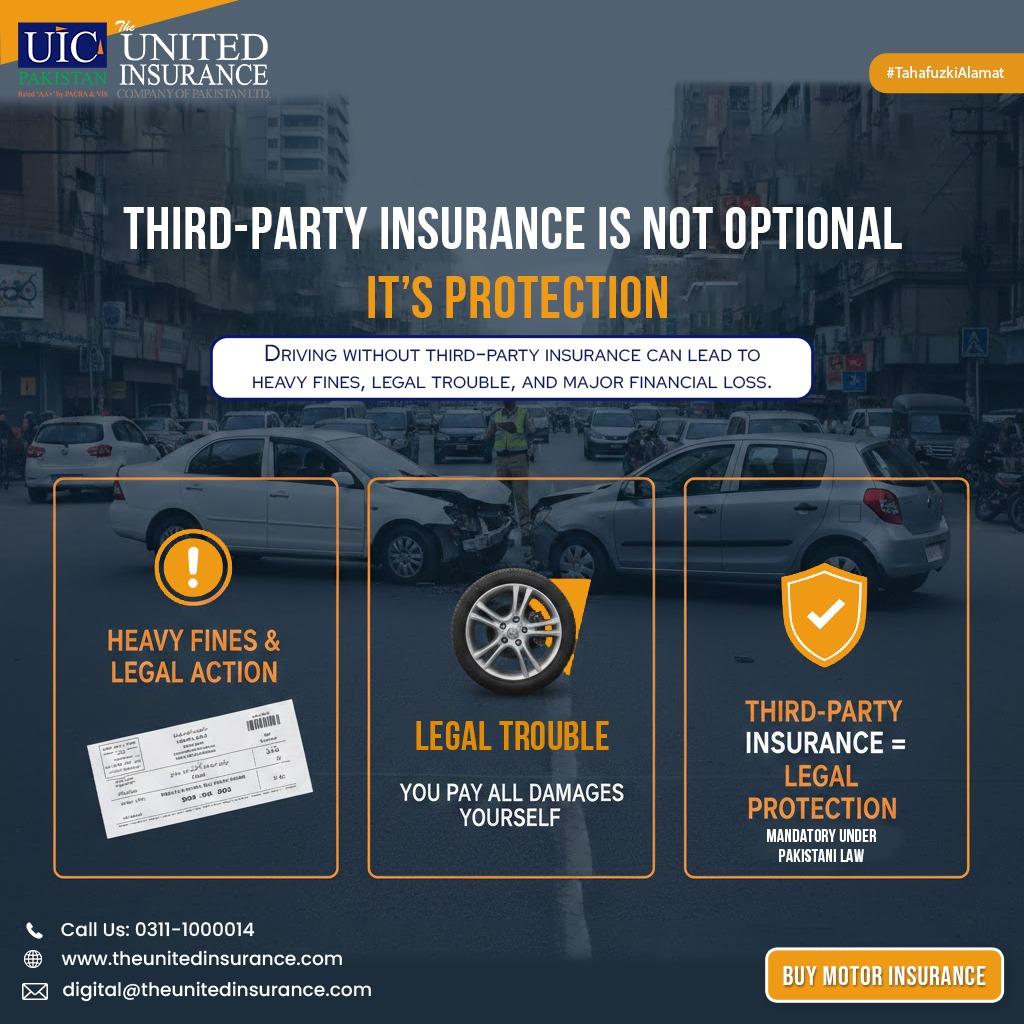
Owning a vehicle comes with freedom, convenience, and responsibility. One of the most important responsibilities is having motor insurance. Among the types of vehicle insurance, third-party motor insurance is the most basic but essential coverage. It is legally required in many countries, including India, the United Kingdom, and the United States.
This guide will help you understand what third-party motor insurance is, its benefits, limitations, costs, and how to choose the right policy.
What is Third-Party Motor Insurance?
Third-party motor insurance is a type of insurance policy that protects you against financial liabilities arising from damages or injuries caused to someone else due to your vehicle.
In other words, if you are at fault in an accident, this insurance ensures that the affected party receives compensation, rather than you paying out of pocket.
Unlike comprehensive insurance, third-party coverage does not protect your own vehicle or cover your personal injuries. Its main purpose is to safeguard others, making it the minimum insurance requirement in most countries.
Why Third-Party Insurance is Legally Mandatory
Most governments make third-party motor insurance compulsory to ensure that victims of accidents receive compensation. Some examples:
-
India: The Motor Vehicles Act, 1988, requires all vehicle owners to maintain at least a third-party policy before using their vehicle on public roads.
-
United Kingdom: The Road Traffic Act 1988 mandates liability coverage for all vehicles.
-
United States: Nearly every state requires drivers to have minimum liability insurance for accidents.
Driving without valid insurance can result in fines, vehicle confiscation, or even imprisonment in severe cases.
Coverage Offered by Third-Party Motor Insurance
Third-party motor insurance is designed to cover liabilities toward others, which includes:
-
Bodily Injuries or Death of Third Parties:
If an accident caused by your vehicle injures someone or results in death, the policy covers medical expenses, compensation, and legal claims. -
Damage to Third-Party Property:
Accidents often damage another person’s vehicle, home, fence, or other property. Third-party insurance ensures compensation is provided to the affected party. -
Legal Expenses:
In some policies, if the accident results in a lawsuit, legal defense costs may be covered.
What it does NOT cover:
-
Damage to your own vehicle
-
Injuries to yourself or your passengers
-
Theft, fire, or natural disaster damage to your vehicle
-
Personal belongings inside your vehicle
This makes third-party insurance a basic liability coverage rather than full protection for the vehicle owner.
Benefits of Third-Party Motor Insurance
Even as a basic insurance policy, third-party insurance offers several key advantages:
-
Legal Compliance:
It ensures that you meet statutory requirements, avoiding fines and legal complications. -
Financial Security Against Third-Party Claims:
Accidents can lead to expensive claims, and third-party insurance protects you from paying large amounts out of pocket. -
Affordable Premiums:
Third-party insurance premiums are generally lower than comprehensive policies, making it accessible for all vehicle owners. -
Peace of Mind:
Knowing that you are covered for liability helps you drive with confidence.
Limitations of Third-Party Motor Insurance
While third-party insurance is essential, it has certain limitations:
-
No Coverage for Your Vehicle:
Any damage to your own car or bike must be repaired at your own expense. -
Limited Scope:
It covers only third-party liabilities, leaving you exposed to other risks such as theft, fire, or natural calamities. -
No Optional Add-Ons:
Features like roadside assistance, engine protection, or zero-depreciation benefits are generally unavailable.
Because of these limitations, third-party insurance is ideal for older or budget vehicles, but not always suitable for new or high-value vehicles.
How Much Does Third-Party Insurance Cost?
The premium for third-party motor insurance depends on several factors:
-
Type of Vehicle: Two-wheelers cost less to insure than cars, while commercial vehicles have higher premiums.
-
Vehicle Age: Older vehicles often attract lower premiums since liability is the key factor, not vehicle value.
-
Location: Vehicles in accident-prone areas may have higher premiums.
-
Policy Duration: Longer-term policies can sometimes include discounts.
-
Claim History: Drivers with no past claims often get lower premiums, while drivers with accidents may pay more.
Many countries regulate third-party insurance rates. For instance, in India, the Insurance Regulatory and Development Authority of India (IRDAI) sets standard rates for different vehicle categories.
Choosing the Right Third-Party Insurance Policy
Selecting the right policy involves careful evaluation:
-
Compare Insurers: Look at claim settlement ratios, customer reviews, and service quality.
-
Check Coverage Limits: Ensure the maximum compensation amount is sufficient to handle potential liabilities.
-
Assess Premium vs. Benefits: Extremely low premiums may indicate poor service or hidden limitations.
-
Consider Optional Add-Ons: Some insurers allow limited coverage for personal accidents or roadside assistance.
-
Verify Legal Compliance: Ensure the policy meets statutory requirements in your country or state.
When Third-Party Insurance Makes Sense
Third-party insurance is ideal for:
-
Older Vehicles: Vehicles with low market value do not justify expensive comprehensive policies.
-
Budget-Conscious Drivers: Those seeking legal compliance without high insurance costs.
-
Drivers Focused on Liability Coverage: Primarily concerned with compensating others rather than protecting their own vehicle.
For new or high-value vehicles, comprehensive insurance may be a better choice, as it covers both your vehicle and third-party liabilities.
Real-Life Example
Imagine driving your car in a busy city. A sudden skid leads to a collision with another vehicle, causing injuries to the other driver and damage to their car.
-
With third-party insurance: The other driver’s medical bills and vehicle repairs are covered. You are not financially liable for these costs.
-
What it doesn’t cover: Damage to your own vehicle must be paid from your own pocket, showing the limitation of this policy.
Conclusion
Third-party motor insurance is a fundamental requirement for all vehicle owners. It provides legal compliance, financial protection against third-party liabilities, and peace of mind, all at an affordable cost.
While it does not cover your own vehicle or personal injuries, it is an essential safeguard for accidents involving others. For older or budget vehicles, third-party insurance is sufficient. For new or expensive vehicles, combining third-party coverage with comprehensive insurance ensures complete protection.

 Arabic
 Français
 Español
 Português
 Deutsch
 Türkçe
 Dutch
Dutch
 Italiano
 Russian
 Romaian