


Attribution Models Explained in Simple Language
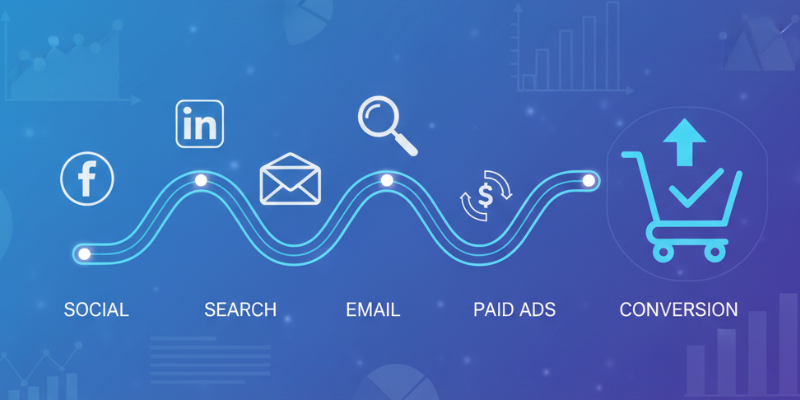
Attribution models help marketers understand which marketing efforts contribute to a conversion. A conversion can be a purchase, a sign up, or any action that supports business growth. In digital marketing, customers often interact with multiple channels before making a decision. Attribution models assign value to each of those interactions.
For example, a user may first discover a brand through social media, later read a blog post, and finally click a paid ad before purchasing. Without attribution models, it is difficult to know which channel influenced the final decision the most.
Understanding Attribution helps businesses spend their marketing budget wisely. It also improves campaign performance by focusing on what truly works. If you want to gain practical skills in analytics and campaign tracking, consider enrolling in Digital Marketing Courses in Bangalore at FITA Academy to strengthen your foundation in performance marketing.
Why Attribution Models Matter in Digital Marketing
Digital marketing involves many channels such as search engines, social media, email, and paid ads. Each channel plays a different role in guiding the customer journey. Some channels create awareness, while others drive conversions.
Without a proper attribution model, marketers may give all credit to the last click. This can lead to poor decisions. A channel that builds awareness may appear ineffective, even though it played a key role earlier in the journey.
Attribution models provide clarity. They show how different touchpoints work together. This insight helps businesses optimize campaigns, adjust budgets, and improve return on investment. Learning how to track and interpret attribution data is an essential skill for marketers who want to make data driven decisions.
Common Types of Attribution Models
There are several types of attribution models used in digital marketing. Each model distributes credit differently across touchpoints.
First Click Attribution gives all the credit to the first interaction. This model highlights which channels generate initial awareness. Last Click Attribution gives complete credit to the last interaction that occurs prior to conversion. It is simple, but may ignore earlier influences.
Linear Attribution distributes equal credit across all touchpoints. This model provides a balanced view of the customer journey. Time Decay Attribution gives more credit to interactions that happen closer to the conversion. This model works well for shorter sales cycles.
Position Based Attribution splits credit between the first and last interactions, while giving smaller credit to the middle touchpoints. To understand how these models are applied in real campaigns and tools, you may explore structured learning options such as a Digital Marketing Course in Hyderabad to build practical expertise in analytics and Attribution.
Choosing the Right Attribution Model
There is no single best attribution model for every business. The right choice depends on your goals, sales cycle, and marketing strategy.
If your focus is on brand awareness, a first click model may provide useful insights. If your goal is direct sales, last click or time decay models may offer clearer results. Businesses with longer sales cycles often benefit from linear or position-based models.
It is also important to test different models and compare results. Many analytics platforms allow marketers to switch between models to see how credit distribution changes. This comparison helps in making smarter budget decisions.
A clear understanding of your customer journey makes Attribution more meaningful and actionable.
Attribution models simplify complex customer journeys by assigning value to each marketing touchpoint. They help businesses identify which channels drive awareness, engagement, and conversions. With the right attribution model, marketers can improve campaign performance and maximize return on investment.
Mastering Attribution requires both theoretical knowledge and practical application. If you are ready to build strong analytical skills and advance your career, consider signing up for a Digital Marketing Course in Ahmedabad to gain hands-on experience in real world campaign tracking and performance measurement.
Also check: How to Use Google Analytics 4 for Actionable Insights

 English
 Arabic
 Français
 Español
 Português
 Deutsch
 Türkçe
 Italiano
 Russian
 Romaian