


Prep Your Business HVAC for Spring Weather Shifts
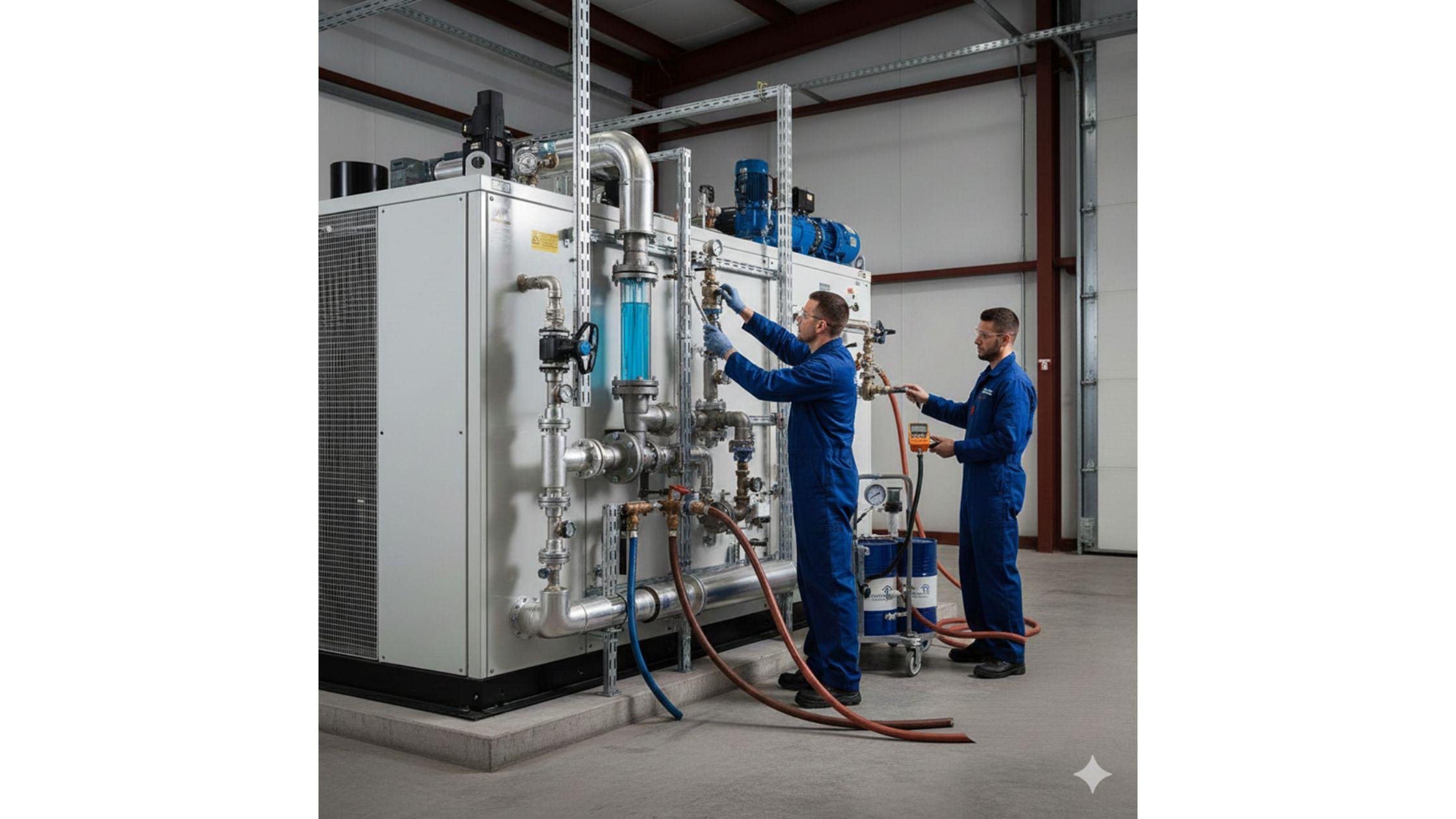
Spring is the season that keeps business owners guessing. One day it feels like winter, and the next day you are already thinking about cooling. Those swings put extra stress on commercial systems, especially if the equipment has been running hard all winter. An early checkup helps you avoid surprise breakdowns, uneven temperatures, and rising energy bills. If you manage a facility and rely on commercial HVAC Services in Central Indiana, spring is the best time to get ahead of problems before the busy season hits.
Why Spring Is Harder on Commercial Systems Than Most People Think
Commercial HVAC does not get “spring break.” It works through every shift, every meeting, and every customer rush. Spring weather shifts can cause rapid cycling. That means the system turns on and off more often, which wears parts faster.
You also deal with other spring factors that affect comfort and performance, such as:
- Increased humidity
- Higher pollen and dust
- Doors opening more often
- More people moving in and out of the building
A system that ran fine in January can struggle in March and April. That does not always mean the unit is failing. Sometimes it just needs a tune up and a few adjustments.
Start With a Simple Question: What Did Winter Do to Your System?
Before talking about tools and parts, ask a basic question.
How did your system behave during winter?
If you noticed hot and cold spots, loud airflow, short cycling, or odd smells, spring is the right time to address them. These signs often point to issues that get worse under summer load.
A quick professional inspection can catch problems early, like worn belts, loose electrical connections, dirty coils, or a blower that is working harder than it should.
Glycol Systems Need Spring Attention Too
Some facilities rely on glycol systems for freeze protection, process cooling, or temperature control in sensitive areas. These systems are reliable, but they are not “set it and forget it.”
Spring is a smart time to confirm the system is ready for warmer weather and steady operation. For businesses planning Glycol system installation in Central Indiana, spring also works well for scheduling. You are not competing with the peak summer emergency season.
A clean installation and correct setup matter here. Glycol concentration, pump sizing, pressure, and flow rates all affect how the system performs.
The Air Filter Issue: Small Part, Big Impact
Filters sound basic, yet they are one of the top reasons commercial systems struggle.
During spring, filters clog faster because pollen and dust increase. A clogged filter reduces airflow. That can cause the system to run longer, raise energy costs, and increase wear on the blower motor.
Here is a practical tip that helps many business owners:
If your building has high foot traffic, check filters more often during spring. Waiting for a “set schedule” can be too late.
Also, avoid guessing on filter type. Some high resistance filters can reduce airflow if the system is not designed for them.
Don’t Ignore Thermostat and Zone Complaints
If you manage a commercial building, you have heard it before.
“It’s freezing in the office.”
“It’s hot in the back room.”
“The conference room feels stuffy.”
These complaints often increase in spring because the system is switching between heating and cooling. If zoning controls are off, dampers are stuck, or sensors are reading wrong, comfort problems show up fast.
A good service visit checks:
- Thermostat calibration
- Zone damper function
- Sensor placement and accuracy
- Basic control logic settings
One helpful truth: comfort complaints are not always “people being picky.” Many times, the system is telling you something.
Spring Checklist That Prevents Summer Emergencies
Spring is the time to focus on prevention. Not because it is trendy, but because it is cheaper and easier than a mid July breakdown.
Key Items to Review Before Cooling Season
- Replace or clean air filters
- Inspect belts, bearings, and blower operation
- Clean condenser and evaporator coils
- Confirm drain lines are clear
- Check refrigerant pressures and system response
- Test safety controls and electrical connections
- Review thermostat schedules and setpoints
- Inspect outdoor units for debris and airflow clearance
These steps reduce the risk of sudden failures. They also improve system efficiency, which matters when summer utility bills arrive.
A Quick Note on Scheduling
Spring is one of the best times to schedule service because you have a window. It is not as urgent as winter heat failures, and it is not as hectic as summer no cooling calls.
That timing matters for business owners. It means you can plan service around your operating hours. It also means repairs can be handled calmly instead of during a crisis.
Glycol Maintenance: The Step Many Facilities Skip
Glycol systems often get less attention than standard HVAC units. That is a mistake. Glycol concentration can drift over time. Leaks can develop slowly. Pumps can wear down quietly. Valves can stick.
Spring is a smart time for Glycol system maintenance in Indiana because it helps confirm the system is stable and ready for steady operation.
A proper maintenance visit may include:
- Checking glycol concentration
- Inspecting for leaks at fittings and valves
- Verifying pump performance
- Confirming pressure and flow
- Reviewing system temperature response
The goal is simple: keep the system reliable and avoid sudden downtime.
What Business Owners Can Do Between Service Visits
Not every helpful step requires a technician. Business owners and facility managers can support HVAC performance with a few habits.
Walk the building once a week and look for:
- Vents blocked by boxes, displays, or furniture
- Return grilles covered or dirty
- Unusual noises from mechanical rooms
- Water around equipment or drains
- Thermostat overrides that never got reset
These small checks can prevent large problems.
And if you have a staff member who always says, “The air feels weird today,” listen to them. They are often right.
Final Remarks
Phillip’s Mechanical takes a hands on approach to commercial HVAC work across Central Indiana. Phillip handles service personally, which gives business owners consistency from the first call to the final check. Spring HVAC prep is not about overdoing it. It is about smart timing, clear inspection steps, and fixing small issues before they grow. For facilities using glycol systems or standard commercial HVAC equipment, that steady approach can make the entire cooling season smoother and less stressful.

 Arabic
 Français
 Español
 Português
 Deutsch
 Türkçe
 Dutch
Dutch
 Italiano
 Russian
 Romaian