


Safety Considerations in API Group II Base Oil Re-refining Operations
Understanding the Risks in Re-refining Operations
Re-refining API Group II base oils involves processing used lubricants and converting them into high-quality base oils suitable for new lubricants. While environmentally beneficial, this process carries inherent safety risks due to high-temperature operations, chemical handling, and the presence of contaminants. Proper safety protocols are essential to prevent accidents, reduce health hazards, and ensure compliance with environmental regulations.
Personal Protective Equipment (PPE) and Staff Training
Operators should be equipped with appropriate PPE, including chemical-resistant gloves, goggles, and fire-resistant clothing. Training programs must emphasize hazard recognition, emergency response procedures, and safe handling of potentially flammable or toxic substances. Regular drills can significantly reduce the likelihood of workplace accidents.
Equipment Safety and Maintenance
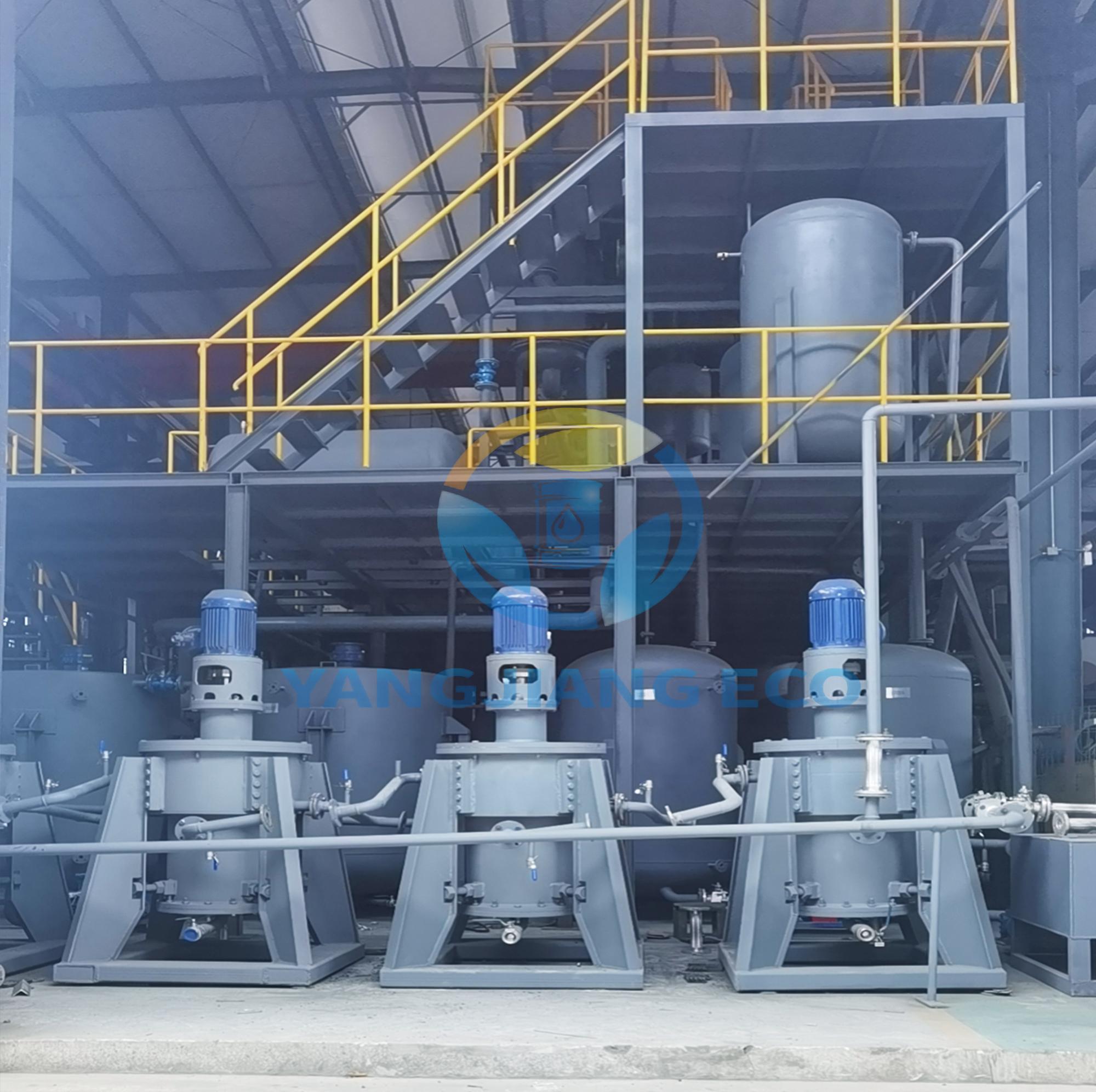
API Group II base oil re-refining plants rely on complex equipment such as vacuum distillation units, hydrotreaters, and filtration systems. Ensuring proper maintenance, regular inspections, and automated safety shutdown systems is critical. Monitoring for leaks, overheating, and pressure anomalies can prevent catastrophic failures.
Chemical and Fire Hazard Management
During re-refining, chemicals like hydrogen, solvents, and catalysts are used, which pose explosion and fire risks. Establishing strict protocols for chemical storage, handling, and waste disposal, along with having fire suppression systems, ensures a safer operational environment.
Environmental and Regulatory Compliance
Adherence to local and international safety and environmental regulations is non-negotiable. Proper management of wastewater, emissions, and hazardous waste not only protects the environment but also prevents legal penalties. Continuous monitoring and audits are recommended to maintain compliance.
Emergency Preparedness and Response
No safety system is complete without an emergency response plan. This includes clear evacuation routes, firefighting equipment, and first aid readiness. Collaboration with local emergency services and regular drills strengthens the overall resilience of the plant.
Turnkey Solutions for Group II Base Oil Re-refining Plants

 English
 Arabic
 Français
 Português
 Deutsch
 Türkçe
 Dutch
Dutch
 Italiano
 Russian
 Romaian