


Factory Direct vs Trading Company: Which Is Better for Motorcycle Importers?
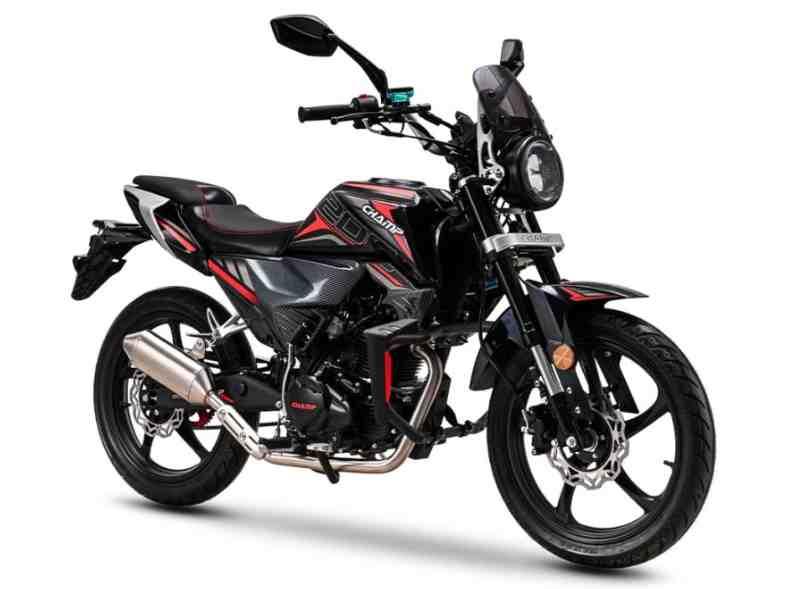
Factory Direct vs Trading Company: Which Is Better for Motorcycle Importers?
When importing motorcycles from China, one of the first decisions you need to make is whether to work directly with a factory or through a trading company. Both options have advantages and disadvantages, and the right choice depends on your business model, order volume, and risk tolerance.
This article breaks down the key differences to help motorcycle importers make an informed decision.
1. Understanding Factory Direct Suppliers
A factory direct supplier is a manufacturer that produces motorcycles in-house. This includes all essential components such as frames, engines, suspension systems, and assembly.
Advantages of Working Directly with a Factory
Lower Costs per Unit: Factories can offer better pricing since there’s no middleman markup.
Customization Flexibility: Factories are more likely to accommodate OEM (your brand) or ODM (custom design) requests.
Direct Communication on Technical Details: You get information straight from the engineers or production managers, which reduces miscommunication.
Consistency in Quality Control: You can inspect production processes, monitor standards, and request third-party quality checks.
Disadvantages
Higher Minimum Order Quantity (MOQ): Factories often require larger orders, which may not suit small importers.
Limited Language Support: Some factory staff may have limited English proficiency, potentially slowing communication.
Export Logistics Responsibility: You may need to manage customs documentation, shipping, and packaging details yourself.
2. Understanding Trading Companies
Trading companies act as intermediaries between you and the manufacturers. They source motorcycles from multiple factories, handle export procedures, and sometimes offer additional services.
Advantages of Working with Trading Companies
Lower MOQ Flexibility: Trading companies can aggregate orders from multiple clients, making smaller orders possible.
Simplified Export Process: They often handle customs, shipping, and documentation, reducing your workload.
Product Variety: Many trading companies offer motorcycles from different factories, allowing you to compare models and specifications easily.
Faster Communication in English: Staff are usually trained to handle international clients, which reduces misunderstandings.
Disadvantages
Higher Prices: Trading companies add a markup to cover their services.
Limited Customization Options: OEM or ODM requests may be restricted or unavailable.
Less Direct Quality Oversight: You rely on the trading company to enforce factory quality standards.
3. Key Factors to Consider
When deciding between a factory or trading company, consider the following:
Order Volume
Large-scale importers benefit from factory direct partnerships due to cost savings and customization potential.
Small-scale importers or first-time buyers may prefer trading companies for flexibility.
Technical Requirements
If your business needs specialized components or unique designs, factories are usually better.
For standard models without modifications, trading companies can be sufficient.
Risk Management
Factories give you more control over production quality but require more effort in inspection and logistics.
Trading companies reduce operational risk but may increase costs and reduce transparency.
Long-Term Partnership
Factories can grow with your brand, offering exclusive models and technical collaboration.
Trading companies provide convenience but often have multiple clients buying the same products, which may limit exclusivity.
4. Tips for Importers
Request Samples: Always inspect sample motorcycles for quality before placing bulk orders.
Verify Certifications: Ensure motorcycles meet the safety and emission standards of your target market.
Check Spare Parts Supply: Confirm availability of replacement parts for long-term support.
Compare Quotes: Factor in total landed cost, not just unit price, including shipping, taxes, and customs fees.
Consider Third-Party Inspection: Use inspection services to ensure production quality and packaging standards.
5. When to Choose Factory Direct
You need OEM or ODM motorcycles with custom branding.
You plan to place large orders regularly.
You want more control over production quality and components.
You have experience or resources to manage export logistics.
6. When to Choose a Trading Company
You are placing small or trial orders.
You prefer a hands-off approach to logistics and customs.
You want access to multiple factories through a single contact.
You need faster communication in English and easier negotiation.
Conclusion
Neither option is universally better — it depends on your business needs.
Factory direct suppliers are ideal for long-term partnerships, large orders, and customization.
Trading companies suit smaller importers, first-time buyers, and those who value convenience.
Ultimately, the most successful importers evaluate both options, request samples, and carefully compare costs, quality, and services before committing.
Making the right choice can save money, reduce risk, and ensure your motorcycles meet your market’s standards.

 English
 Arabic
 Français
 Español
 Português
 Deutsch
 Türkçe
 Dutch
Dutch
 Italiano
 Romaian