


Electric Combination Boilers: Safety and Reliability Explained
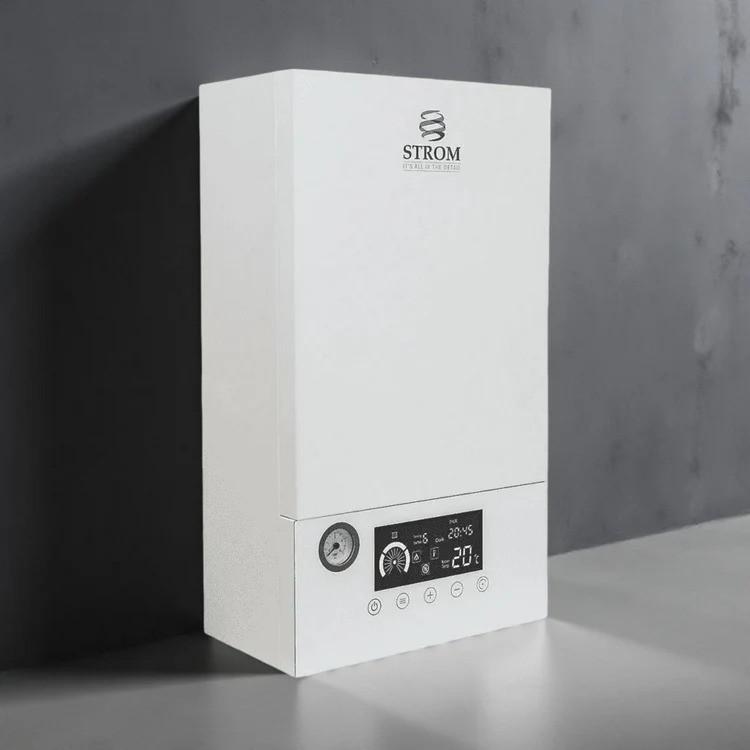
When it comes to modern home heating, electric combination boilers have become an increasingly popular choice for homeowners across the UK. Combining efficiency, space-saving design, and environmental friendliness, an electric combi boiler provides both central heating and hot water on demand without the need for a separate water tank. Beyond performance, two of the most important considerations for any homeowner are safety and reliability. Understanding these aspects can help you make an informed decision and ensure your heating system operates safely for years to come.
Understanding Electric Combination Boilers
An electric combination boiler, often called an electric combi boiler, is a compact, wall-mounted appliance designed to supply heating and hot water directly from the mains. Unlike traditional boilers that store hot water in a cylinder, electric combination boilers heat water instantaneously. This not only saves space but also reduces energy wastage since water is heated only when needed. The design simplicity of electric combination boilers contributes to their overall safety and reliability, as fewer moving parts and no combustion process means there’s less chance of faults.
Electric combination boilers are particularly suitable for smaller homes or flats where space is at a premium. They are also ideal in areas where gas supply is unavailable or where homeowners prefer an environmentally friendly alternative. With the growing emphasis on clean energy, electric combination boilers are increasingly integrated with renewable energy solutions, such as solar panels or heat pumps, enhancing both efficiency and sustainability.
Safety Features of Electric Combi Boilers
Safety is a key factor that sets electric combination boilers apart from other heating systems. Since there is no combustion involved, electric combi boilers eliminate the risks associated with gas leaks or carbon monoxide emissions. This makes them an attractive choice for households with children, elderly residents, or anyone concerned about indoor air quality.
Most modern electric combination boilers come equipped with multiple safety mechanisms. These include thermostats that prevent overheating, pressure relief valves to avoid dangerous pressure build-up, and automatic shut-off systems in the event of a fault. Advanced models may also have digital controls and LED indicators that alert homeowners to any irregularities, ensuring issues can be addressed promptly before they escalate. The simplicity of their design, with fewer moving parts compared to gas boilers, reduces the likelihood of mechanical failure and contributes to long-term safety.
Reliability and Longevity
Reliability is another major advantage of electric combination boilers. These systems are known for their consistent performance and minimal maintenance requirements. Unlike gas boilers, they are not affected by issues such as flue blockages, gas pressure fluctuations, or the risk of leaks. This ensures homeowners can rely on their electric combi boiler to provide uninterrupted heating and hot water, even during harsh winter months.
Electric combination boilers typically have a longer lifespan compared to conventional boilers. Many manufacturers offer warranties ranging from 5 to 10 years, reflecting their confidence in the durability of these appliances. Regular maintenance, such as occasional descaling and checking the electrical connections, is usually sufficient to keep an electric combi boiler operating at peak efficiency. The absence of a fuel-burning process reduces wear and tear, contributing to the overall reliability of the system.
Installation and Professional Support
While electric combination boilers are generally straightforward to install, proper installation by a qualified professional is crucial for safety and performance. A certified engineer ensures that the boiler is connected correctly to the electrical supply, follows manufacturer guidelines, and complies with local regulations. Professional installation also helps prevent common issues such as incorrect pressure settings or improper venting, which could compromise both safety and efficiency.
Many homeowners appreciate that electric combi boilers require less space and minimal pipework, simplifying the installation process. They are wall-mounted and often fit neatly into kitchen cupboards, utility rooms, or small alcoves, making them an excellent solution for modern urban homes where space is limited.
Maintenance and Troubleshooting
Routine maintenance is key to keeping an electric combination boiler safe and reliable. Fortunately, electric combi boilers are relatively low-maintenance compared to gas alternatives. Homeowners should periodically check for visible signs of wear, ensure the pressure is within recommended levels, and inspect electrical connections. Many models come with self-diagnostic features that display error codes if an issue arises, allowing for quick troubleshooting.
If any problem persists, it is essential to contact a qualified technician rather than attempting DIY repairs. Professional servicing ensures that safety mechanisms, such as thermostats and pressure valves, remain fully operational and that the boiler continues to deliver reliable performance. Regular servicing also helps extend the life of the appliance, ensuring that your investment in an electric combi boiler continues to provide comfort and efficiency for years to come.
Advantages Over Traditional Boilers
Electric combination boilers offer several advantages over traditional gas or oil-fired systems, particularly in terms of safety and reliability. The absence of combustion reduces risks associated with gas leaks, carbon monoxide, and flue blockages. Maintenance is simpler, as there are no burners or heat exchangers requiring frequent cleaning. The compact design also eliminates the need for bulky water storage tanks, freeing up valuable space in the home.
From an energy perspective, electric combination boilers can be highly efficient, converting almost all the electricity they consume into heat. When paired with renewable energy sources, such as solar panels, they offer a greener and more sustainable alternative to fossil fuel-based heating systems.
Choosing the Right Electric Combi Boiler
When selecting an electric combination boiler, it is important to consider your home’s heating and hot water needs. Smaller households may require a boiler with a lower kilowatt rating, while larger homes or homes with multiple bathrooms may benefit from a higher-capacity unit. Always choose a model from a reputable manufacturer and ensure it comes with the appropriate safety certifications and warranties.
Energy efficiency ratings and digital controls are also important factors. Modern electric combi boilers often feature programmable timers, remote controls, and integration with smart home systems, allowing homeowners to optimize energy usage while maintaining comfort. By investing in a high-quality electric combi boiler, you not only enhance safety and reliability but also reduce long-term energy costs.
Conclusion
Electric combination boilers are an excellent choice for homeowners seeking a safe, reliable, and efficient heating system. With their compact design, instantaneous hot water supply, and advanced safety features, electric combi boilers eliminate many of the risks associated with traditional gas or oil-fired systems. Their reliability, minimal maintenance requirements, and compatibility with renewable energy sources make them a future-proof investment for modern homes.

 Arabic
 Français
 Español
 Português
 Deutsch
 Türkçe
 Dutch
Dutch
 Italiano
 Russian
 Romaian