A shipping container is one of the most reliable solutions for secure storage in modern industries. Businesses, construction companies, farmers, and homeowners across Australia use shipping containers to protect equipment, inventory, and valuable goods. Because they are designed to transport cargo across oceans and harsh environments, these containers provide exceptional strength, durability, and security.
Today, shipping containers are not only used for transport but also for long-term storage solutions. Their steel construction, weather resistance, and secure locking systems make them ideal for protecting items from theft, damage, and environmental conditions. As a result, high-quality containers have become a trusted option for businesses that need dependable storage.
This article explains what makes shipping containers high quality, their benefits for secure storage, and how to choose the right container for your needs.
What Is a Shipping Container?
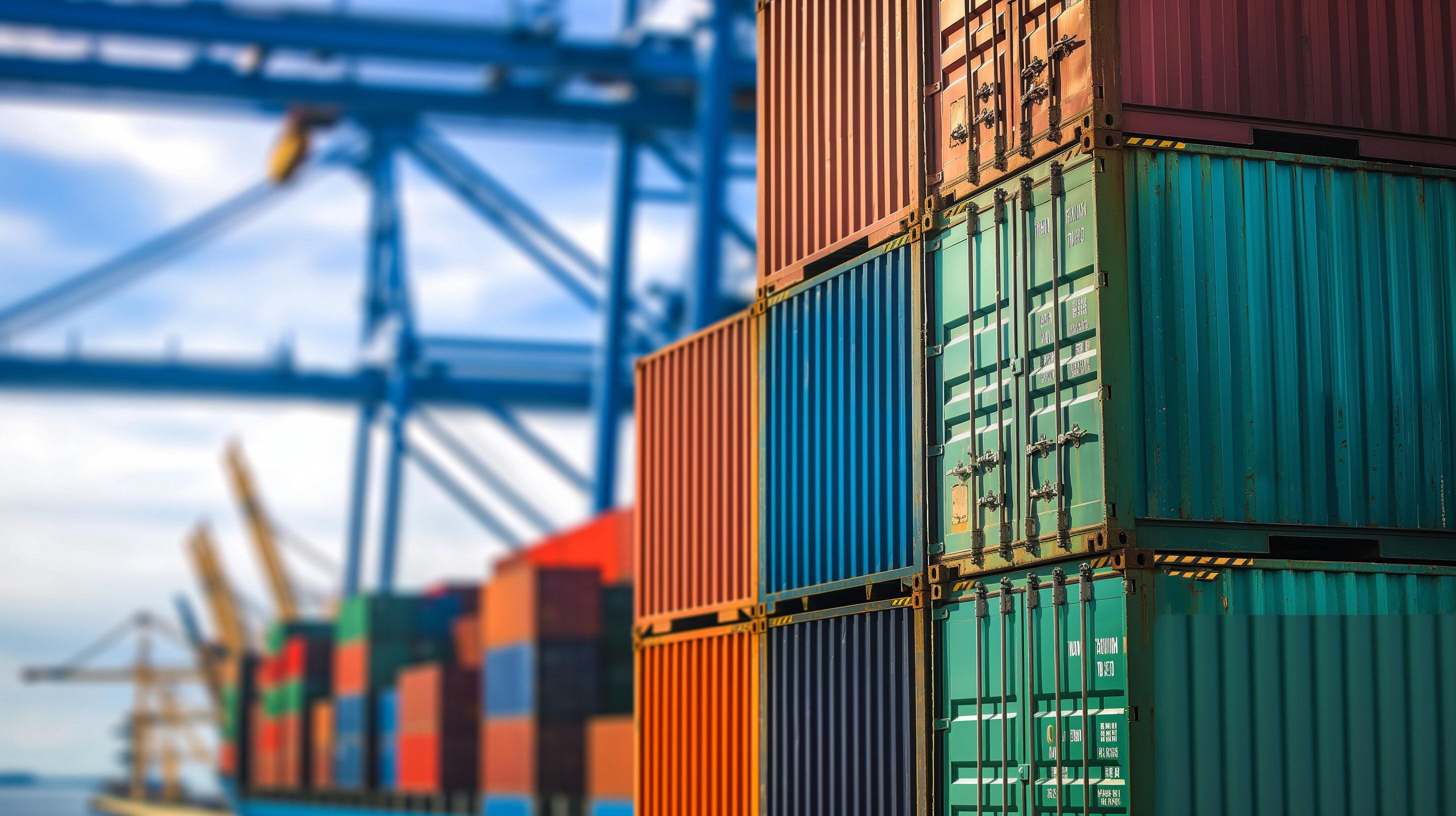
A shipping container is a large steel storage unit originally designed to transport cargo by ship, truck, or rail. These containers follow international standards, which allows them to be stacked and moved easily between different types of transport systems.
Most containers are built using corten steel, a corrosion-resistant material designed to withstand extreme marine conditions. This steel forms a protective layer when exposed to the elements, which slows corrosion and improves durability.
Because of this design, shipping containers can endure heavy loads, strong winds, rain, and even saltwater exposure during ocean transport. Their strength and reliability make them an excellent choice for secure storage on land as well.
Why High-Quality Shipping Containers Are Important
Choosing a high-quality shipping container is essential for protecting valuable items. A well-built container ensures that goods remain safe, dry, and secure for many years.
One important factor is structural strength. Containers must support heavy cargo and remain stable when stacked during transport. The reinforced corners and strong steel frame allow them to handle extreme loads without losing their shape.
Weather protection is another key advantage. High-quality containers are designed to be wind-tight and water-tight. This means rain, dust, and moisture cannot easily enter the container, keeping stored items safe from environmental damage.
Durability also contributes to long-term reliability. Containers built with strong materials can remain functional for decades. Many containers spend around 10–15 years transporting cargo and then continue to serve for another 25–35 years in stationary storage or construction uses.
Key Features of High-Quality Shipping Containers
High-quality shipping containers include several features that improve security, durability, and functionality.
Strong Corten Steel Construction
Most shipping containers are made from corten steel, which is specifically designed to resist corrosion and structural damage. The steel forms a protective rust-like layer that prevents deeper corrosion and protects the structure from weakening.
Because of this material, containers can last 20–30 years or more with minimal maintenance. In some cases, containers have remained usable for up to 50 years when properly maintained.
Secure Locking Systems
Security is a major advantage of shipping containers. Most containers come with heavy steel doors and strong locking bars that make unauthorized access difficult.
Many storage containers also include lock boxes or additional padlock protection. These extra features improve security and help prevent theft, especially when containers are used on construction sites or in remote locations.
Weather and Water Resistance
High-quality containers are designed to protect cargo from harsh environmental conditions. The sealed steel walls and rubber door gaskets prevent water from entering the container.
This weather resistance is particularly useful in Australia, where some regions experience heavy rainfall, strong winds, and extreme heat.
Ventilation and Moisture Control
Shipping containers typically include small ventilation openings that allow air to circulate. This airflow helps reduce condensation inside the container.
Proper ventilation prevents moisture buildup and protects stored items from mold, rust, or damage.
Durable Flooring
Most containers feature marine-grade plywood flooring supported by steel cross members. This flooring is designed to support heavy loads such as machinery, pallets, and equipment.
The strong floor structure ensures that containers remain reliable for both transport and long-term storage.
Common Uses of Shipping Containers for Storage
Shipping containers are used across many industries because they provide safe and flexible storage solutions.
Construction Site Storage
Construction companies frequently use containers to store tools, equipment, and building materials. Since construction sites often operate in open environments, containers provide a secure place to keep valuable items.
In addition, containers can be moved easily from one job site to another.
Business and Warehouse Storage
Businesses often need extra space to store inventory, especially during busy seasons. Shipping containers offer a cost-effective alternative to building new storage facilities.
Retailers and warehouses can place containers on their property to store excess stock safely.
Farm and Agricultural Storage
Farmers across Australia use shipping containers to store machinery, animal feed, and farming equipment. Because rural areas may experience unpredictable weather, containers provide reliable protection.
They can also be placed in convenient locations on the farm for easy access.
Residential Storage
Homeowners also benefit from using shipping containers. During renovations or relocations, containers provide temporary storage for furniture and personal belongings.
Their strong steel construction ensures that valuable items remain safe from weather and theft.
Benefits of Using Shipping Containers for Secure Storage
Shipping containers offer several advantages that make them one of the best storage options available.
Strong and Durable
Shipping containers are designed to survive extreme conditions at sea. Their steel construction allows them to withstand heavy loads, strong winds, and rough handling.
Because of this durability, containers can provide reliable storage for many years.
High Security
The heavy steel walls and lockable doors make shipping containers extremely secure. Unlike traditional sheds or storage units, containers are difficult to break into.
This level of security makes them ideal for storing expensive tools and equipment.
Cost-Effective Storage
Compared to building permanent storage structures, containers offer a much more affordable solution. Businesses can purchase or rent containers without investing in expensive construction projects.
This affordability makes containers accessible to small businesses and individuals.
Portable and Flexible
Shipping containers can be transported easily using trucks or cranes. This mobility allows businesses to move containers between locations when necessary.
As a result, containers provide flexible storage solutions for projects that require relocation.
Environmentally Friendly
Reusing shipping containers for storage or construction helps reduce waste. Instead of discarding containers after shipping use, they can be repurposed for many practical applications.
This reuse supports sustainable building and storage practices.
How to Choose the Right Shipping Container
Selecting the right container depends on several important factors.
First, consider the size you need. The most common options are 20-foot and 40-foot containers. A 20-foot container works well for smaller storage needs, while a 40-foot container offers larger capacity.
Next, check the container condition. New or “one-trip” containers usually provide the longest lifespan and best appearance. However, used containers can still provide excellent storage if they are structurally sound.
It is also important to inspect the container before purchasing or renting. Look for signs of rust, dents, or door problems that may affect performance.
Finally, ensure the container is placed on stable ground. A solid foundation prevents structural stress and helps extend the container’s lifespan.
Maintenance Tips for Long-Lasting Storage Containers
Although shipping containers are highly durable, simple maintenance steps can help extend their life.
First, inspect the container regularly for rust or damage. Small rust spots should be cleaned and repainted quickly to prevent corrosion.
Second, keep the doors and hinges lubricated so they open and close smoothly.
Third, elevate the container slightly off the ground using blocks or a concrete base. This prevents moisture from collecting underneath.
Finally, ensure proper ventilation to avoid condensation buildup inside the container.
With proper care, a shipping container can remain functional for several decades.
Conclusion
High-quality shipping containers provide one of the most secure and durable storage solutions available today. Built with strong corten steel, these containers resist corrosion, protect goods from harsh weather, and offer reliable security.
Across Australia, businesses and individuals use shipping containers for construction storage, inventory management, agricultural use, and residential storage. Their affordability, portability, and long lifespan make them a practical investment.
By choosing a high-quality container and maintaining it properly, users can benefit from safe and dependable storage for many years. As industries continue to evolve, shipping containers will remain an essential tool for secure and flexible storage solutions.




 English
 Arabic
 Français
 Español
 Português
 Deutsch
 Türkçe
 Dutch
Dutch
 Italiano
 Romaian