


Using AI to Automate Research and Data Analysis
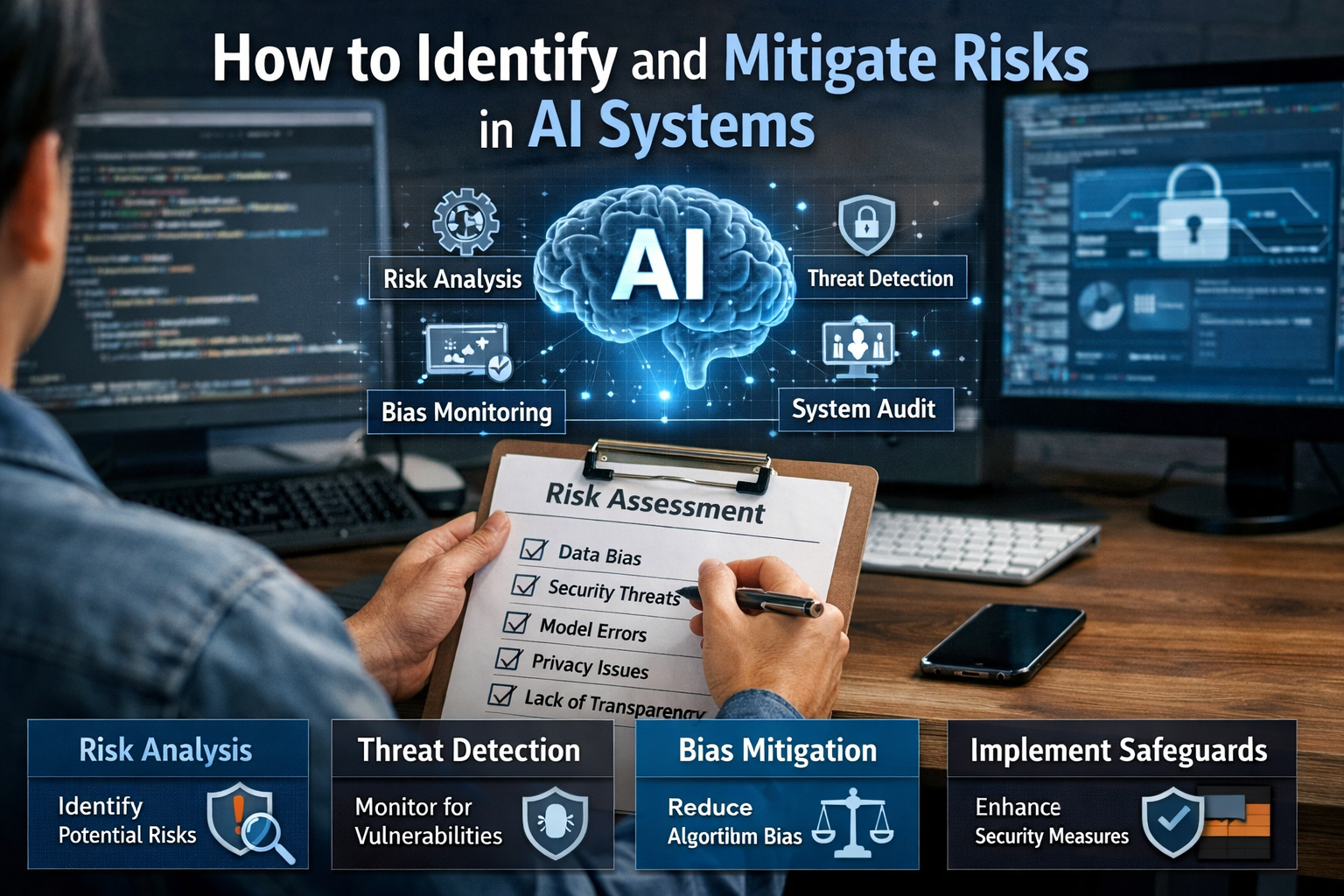
In today’s data-driven world, organizations and researchers deal with massive amounts of information every day. Manually collecting, cleaning, and analyzing this data can take weeks or even months. This is where Artificial Intelligence (AI) is transforming the research process. By automating repetitive tasks and accelerating analysis, AI allows researchers to focus more on insights and decision-making rather than manual work.
AI-powered tools are now widely used in industries such as healthcare, finance, marketing, and academic research. From scanning thousands of research papers to identifying patterns in complex datasets, AI is making research faster, more accurate, and more scalable.
Why AI is Important for Research and Data Analysis
Traditional research methods often involve time-consuming processes such as data collection, sorting, statistical calculations, and report preparation. AI automates many of these tasks, improving both speed and accuracy.
Recent studies highlight the growing impact of AI in research:
-
According to McKinsey, organizations that use AI-driven analytics can improve productivity by 20–40%.
-
A 2024 Deloitte survey found that 67% of companies are already using AI tools for data analysis and research-related tasks.
-
Researchers using AI-assisted literature review tools can reduce research time by up to 50%.
These statistics show that AI is not just a trend but a fundamental shift in how research is conducted.
Key Ways AI Automates Research
AI simplifies the research workflow by handling repetitive and data-heavy tasks. Below are some of the most impactful ways AI is used in research.
1. Automated Data Collection
AI tools can gather data from multiple sources such as websites, databases, social media platforms, and research journals.
For example, AI-powered web scraping tools can automatically collect thousands of data points within minutes. This eliminates the need for manual data entry and reduces human error.
Benefits include:
-
Faster data gathering
-
Real-time data updates
-
Reduced manual effort
2. Smart Literature Reviews
One of the most time-consuming parts of academic or business research is reviewing existing literature. AI-powered research assistants can scan thousands of papers and summarize key insights.
These tools can:
-
Identify relevant research papers
-
Extract important findings
-
Generate summaries
-
Detect research gaps
This allows researchers to quickly understand the current state of knowledge in a field.
3. Automated Data Cleaning
Raw data often contains missing values, duplicates, or inconsistencies. Cleaning this data manually can take hours or days.
AI algorithms can automatically:
-
Detect anomalies
-
Remove duplicates
-
Fill missing values
-
Standardize data formats
By automating data preparation, researchers can focus on analyzing meaningful insights rather than fixing messy datasets.
4. Advanced Data Analysis and Pattern Detection
AI excels at finding patterns in large datasets that would be difficult for humans to detect. Machine learning algorithms can analyze millions of data points to identify trends and correlations.
Common AI-driven analysis techniques include:
-
Predictive analytics
-
Sentiment analysis
-
Clustering and segmentation
-
Trend forecasting
For instance, marketing teams use AI to analyze customer behavior and predict purchasing patterns, helping businesses improve their strategies.
Read More: Classifying ChatGPT: A Deep Dive into Generative AI Models
5. Automated Reporting and Visualization
Once data is analyzed, AI tools can automatically generate reports and dashboards. Instead of manually building charts and presentations, AI can create visualizations instantly.
AI reporting tools can:
-
Generate charts and graphs
-
Create automated summaries
-
Highlight key insights
-
Provide real-time dashboards
This helps stakeholders quickly understand complex data without needing advanced analytical skills.
Popular AI Tools Used in Research
Many powerful AI tools are now available to support research and data analysis. Some widely used tools include:
-
ChatGPT – Helps summarize research, generate insights, and assist with analysis.
-
Tableau AI – Automates data visualization and reporting.
-
RapidMiner – Provides machine learning tools for advanced data analysis.
-
IBM Watson Analytics – Uses AI for predictive insights and data discovery.
-
Google Cloud AI – Offers scalable machine learning solutions for research projects.
These tools are becoming essential components of modern research workflows.
Benefits of Using AI in Research
AI-driven research offers several advantages over traditional methods:
-
Speed: Tasks that previously took weeks can now be completed in hours.
-
Accuracy: AI reduces human error in data processing.
-
Scalability: AI can analyze massive datasets effortlessly.
-
Cost Efficiency: Automation reduces the need for large research teams.
-
Better Insights: AI uncovers patterns that might otherwise remain hidden.
Challenges to Consider
Despite its advantages, AI in research also comes with certain challenges:
-
Data privacy concerns
-
Dependence on high-quality datasets
-
Need for technical expertise
-
Risk of biased algorithms
Researchers must combine AI with human judgment to ensure ethical and accurate results.
The Future of AI in Research
The role of AI in research and data analysis will continue to grow in the coming years. As machine learning models become more advanced, they will assist with deeper insights, real-time decision-making, and even automated hypothesis generation.
Experts predict that by 2030, AI will handle up to 80% of routine data analysis tasks, allowing researchers to focus primarily on strategy, creativity, and innovation.
Conclusion
AI is revolutionizing how research and data analysis are conducted. By automating data collection, cleaning, analysis, and reporting, AI significantly reduces the time and effort required for research projects. Organizations that adopt AI-driven research tools can gain faster insights, make better decisions, and stay ahead in an increasingly competitive environment.
However, the most effective approach is not replacing researchers with AI but combining human expertise with AI-powered automation. Together, they create a powerful system capable of unlocking deeper knowledge and driving innovation across industries. To take your skills to the next level, enrolling in a Generative AI Professional Certification Training and Course can equip you with the expertise to leverage AI for advanced research and data analysis.

 English
 Arabic
 Français
 Español
 Português
 Deutsch
 Türkçe
 Dutch
Dutch
 Russian
 Romaian