


Can Home Inspection Prevent Expensive HVAC Failures?
Your heating and cooling system works hard every day. It keeps your home safe in winter and comfortable in summer. But when HVAC problems hit, they can feel scary. The air stops. The house gets too hot or too cold. And the repair bill can sting.
Here is the good news. A smart home inspection can catch many warning signs early. That means fewer surprises after you move in. It also helps you plan, budget, and stay in control. If you live in New Brunswick, a home inspection in Oromocto NB, can help you understand what you are buying. Even better, it can point out risks that often lead to big HVAC failures. Let’s walk through what an inspection can—and cannot—do for your HVAC system.
1) Home Inspection in Oromocto NB: HVAC failures
First, HVAC failures rarely happen in one day. Instead, parts wear down over time. Filters clog. Drains back up. Coils get dirty. Then the system strains and costs rise. Also, many repairs cost more because of labor and timing. For example, a heat wave can bring long wait times. Then you may pay more for rush service. A full system replacement can cost thousands. So, early clues matter. Because of that, a home inspection can be a money-saving step. It helps you spot risks before you sign. And it helps you ask for records, repairs, or price changes.
“Most big breakdowns start as small, easy-to-miss problems.”
2) What A Home Inspector Can Check During A Visit
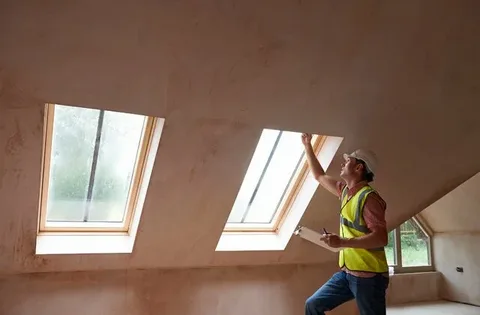
A home inspector does not “tune” the HVAC system. However, they can still find many red flags. In other words, they look for visible issues and basic performance signs.
For example, an inspector often checks:
-
Age and visible condition of the furnace, heat pump, and AC unit
-
Airflow at several vents, plus hot and cold spots
-
The thermostat response when heating or cooling starts
-
Filter fit and dirt level that can stress the system
Also, they may note rust, leaks, odd smells, or loud sounds. Those clues can point to bigger issues later. As a result, you get a clearer picture of risk.
3) HVAC “Red Flags” That Often Lead To Breakdowns
Some warning signs show up long before failure. So, learning them helps you protect your budget.
Here is a helpful table of common red flags and what they can mean:
|
Red flag, an inspector may notice |
What can it lead to |
Why it matters to you |
|---|---|---|
|
Water near the unit or drain line |
Mold, corrosion, shutdowns |
Moisture can damage parts fast |
|
Dirty filter and dusty supply vents |
Frozen coils, blower strain |
The system works harder and costs more |
|
Rusted flue or staining near vents |
Safety risk and poor venting |
Bad venting can be dangerous |
|
Loud rattling or grinding sounds |
Motor or fan failure |
Small noise can cause big damage |
|
Uneven temperatures in rooms |
Duct leaks or sizing issues |
Comfort drops and bills rise |
Also, ask about service history. If records are missing, risk often goes up.
4) When You Should Bring In An HVAC Specialist
A home inspection gives a strong first look. Still, some cases call for a deeper check. So, use the inspection to decide if you need an HVAC pro.
-
If you see safety or venting concerns
If the inspector notes venting issues, act fast. Faulty venting can raise safety risks.
-
If the system is old or near the end of its life
Older systems can still run well. However, they can also fail without warning.
-
If performance signs look “off”
Short cycling, weak airflow, or poor temperature change needs more testing.
Because of that, a specialist can do pressure tests, refrigerant checks, and detailed measurements. That extra step can prevent costly surprises.
5) How Early Findings Protect Your Wallet And Your Comfort
HVAC failures hurt more than your bank account. They can ruin sleep, stress your family, and even damage your home. So, prevention gives real peace of mind.
A solid inspection can help you:
-
Plan repairs before a busy season
-
Set money aside for future updates
-
Avoid emergency calls and rushed decisions
-
Negotiate fairly when major issues appear
Also, keep this local term in mind: home inspection Oromocto reports often point out related issues, too. For example, poor attic insulation can overwork HVAC equipment.
Math Facts:
If a clogged filter adds just $20 per month in extra energy:
$20 × 12 months = $240 each year.
Over 5 years, that is $1,200 you could save.
And that is only from one small habit.
6) Simple Steps After Inspection To Avoid Future HVAC Trouble
After the inspection, you can take easy steps that lower the risk. So, don’t wait until the first breakdown.
Start with these basics:
-
Change filters on a schedule you can follow
-
Keep outdoor units clear of leaves and snow
-
Listen for new noises and track when they start
-
Check vents for blocked airflow by rugs or furniture
Also, write down the unit model and install date. Then keep service notes in one place. That small folder can save time later. If you reviewed Oromocto home inspection services details, use the HVAC notes to build a short home-care plan. It makes life easier.
7) The Honest Limits Of A Home Inspection For HVAC
A home inspection happens on one day. So, it cannot predict every future failure. For example, a part can break the next week even if it worked during the visit.
Also, inspectors usually do not:
-
Open sealed HVAC components
-
Measure refrigerant levels
-
Test hidden duct leaks inside walls
-
Confirm full efficiency ratings
Still, the home inspection in Oromocto NB can guide smart choices. It can tell you when to ask for records. It can also tell you when to budget for updates. Most of all, it helps you avoid walking into a costly surprise. And if you want that calmer, more informed path, you can start with Thorough Home Inspection Service and keep asking the right questions—because your future comfort depends on what you learn today.

 English
 Arabic
 Français
 Español
 Português
 Deutsch
 Türkçe
 Italiano
 Russian
 Romaian