


Coated Aluminum Foil: Coating Systems, Process Compatibility, and Quality Control Framework
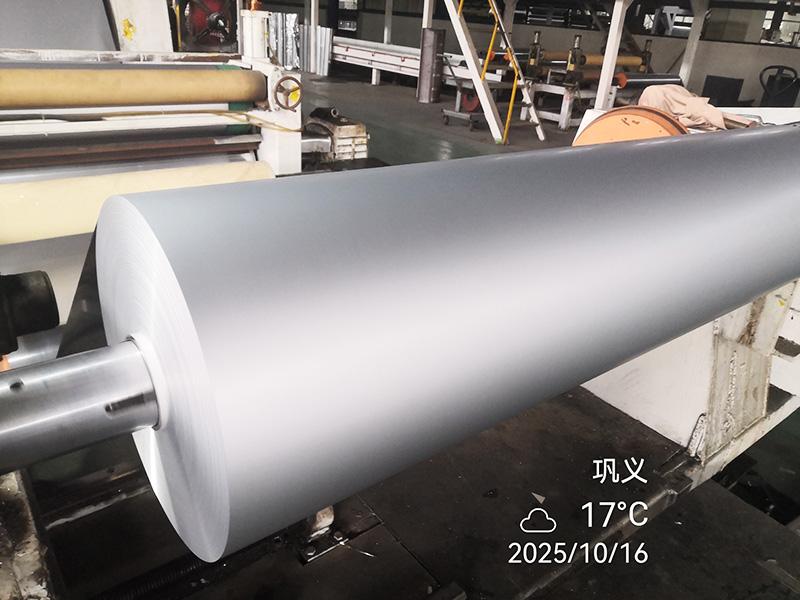
Coated aluminum foil is a converting-grade material in which a precisely engineered coating system is applied to one or both sides of aluminum foil to meet application-specific requirements. The coating may be designed for sealing (heat-seal lacquers), adhesion promotion (primers), protection (overprint varnishes), or enhanced resistance (chemical, corrosion, or abrasion). Because foil is frequently used as part of a laminate or composite structure, coated foil must perform reliably through printing, lamination, slitting, forming, and sealing processes without compromising barrier integrity.
Coating selection depends on the end-use environment and the substrate interface. Packaging structures often require coatings with a robust seal window and consistent peel characteristics, while pharmaceutical and medical uses may demand low odor, low extractables, and controlled defect levels. Industrial and insulation facings may emphasize corrosion resistance, UV stability, and long-term adhesion under thermal cycling. In all cases, coating rheology, wetting behavior, and cure profile are engineered to avoid defects such as pinholes, fish-eyes, blocking, or delamination that can reduce barrier or sealing performance.
Process compatibility is a critical design objective. Coated foil must maintain stable web handling at high speed, with controlled coefficient of friction and minimal powdering or transfer to rolls. Printing and lamination performance depend on surface energy, roughness, and primer chemistry, while heat sealing depends on coating softening behavior and hot-tack characteristics. For ultra-thin foils, the coating system must also avoid inducing excessive stress that can promote wrinkling or microcracking during pouch forming and folding.
A comprehensive quality control framework typically includes incoming foil inspection (thickness, pinholes, surface cleanliness), coating verification (coat weight, uniformity, cure, adhesion), and performance testing relevant to the application (seal strength, peel profile, chemical resistance, aging, and leakage). Traceability and change control are often implemented for regulated markets. By combining aluminum’s intrinsic barrier properties with tailored surface functionality, coated aluminum foil enables reliable, high-performance solutions across packaging, construction, and industrial sectors.

 Arabic
 Français
 Español
 Português
 Deutsch
 Türkçe
 Dutch
Dutch
 Italiano
 Russian
 Romaian