


In Vitro Diagnostics Test Kit Market Growth Driven by Point-of-Care Innovations
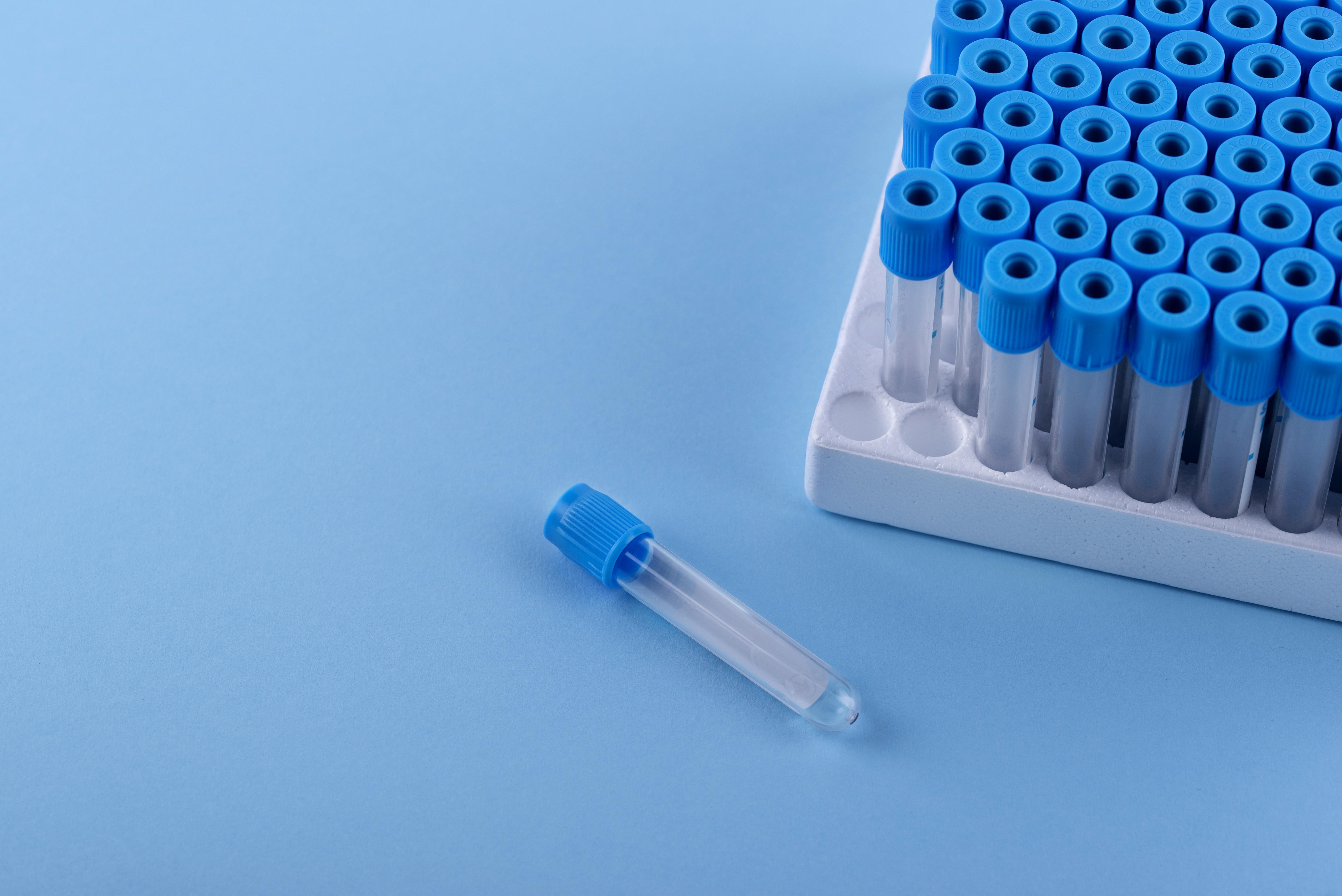
Healthcare is undergoing a silent revolution, and at its heart lies the ability to see the invisible in vitro diagnostics (IVD) test kits market are the unsung heroes of modern medicine, providing the critical data physicians need to diagnose, monitor, and treat diseases. From the rapid strep test in a clinic to complex cancer genomics in a central lab, these tools are indispensable.
The market for these kits is not static; it is a dynamic ecosystem driven by technological leaps, shifting patient expectations, and global health challenges. Understanding the currents shaping this industry offers a glimpse into the future of healthcare itself.
The Shift from Hospital to Home
Perhaps the most profound trend is the decentralization of testing. For decades, diagnostic testing was the sole province of hospitals and large reference laboratories. Today, a significant portion of testing is moving closer to the patient. This "point-of-care" (POC) revolution is democratizing health data.
The COVID-19 pandemic acted as a powerful catalyst, normalizing the idea of swabbing one’s own nose and reading a result at the kitchen table. This familiarity has spilled over into other areas. We are now seeing a surge in the development of over-the-counter test kits for a wider array of conditions, including cholesterol management, fertility tracking, and even monitoring for sexually transmitted infections.
This trend is not just about convenience. For chronic disease management, such as diabetes or the need for anticoagulation therapy, home testing empowers patients to take an active role in their health, leading to better outcomes and reduced strain on healthcare infrastructure. The challenge for manufacturers lies in creating kits that are not only accurate but also foolproof for a non-professional user.
The Rise of the Molecular Revolution
While POC testing expands access, the laboratory side is undergoing a deep scientific transformation. The spotlight is firmly on molecular diagnostics. Unlike traditional methods that look for signs of a pathogen (like antigens) or bodily responses (like antibodies), molecular tests zoom in on the genetic material—the DNA or RNA—of the pathogen or human cell.
Polymerase chain reaction (PCR) technology, once a slow and laborious process, has been refined into rapid, highly automated systems. This allows for the detection of infectious diseases with unparalleled sensitivity and speed. But the story goes far beyond infections.
Oncology is being reshaped by molecular IVD kits. Liquid biopsies, which analyze circulating tumor DNA in a simple blood sample, are replacing some invasive tissue biopsies. These kits can detect cancer at earlier stages, track how a tumor evolves, and determine if a specific targeted therapy will work for a patient. This convergence of diagnostics and therapeutics, known as companion diagnostics, ensures that the right drug gets to the right patient, a cornerstone of personalized medicine.
The Gold Rush of Biomarker Discovery
Underpinning the molecular revolution is the relentless search for new biomarkers. A biomarker is a measurable indicator of a biological state, be it a protein, a hormone, or a genetic mutation. The IVD market is being propelled forward by the identification of novel biomarkers for complex diseases, particularly in neurology and autoimmune disorders.
For example, the ability to detect specific proteins like amyloid and tau in cerebrospinal fluid or blood is changing the landscape of Alzheimer's disease diagnosis. For the first time, clinicians can identify the pathology of the disease before significant cognitive decline sets in. This creates a massive opportunity for test kit developers. The race is now on to create scalable, affordable kits that can quantify these biomarkers accurately, allowing for earlier intervention and better monitoring of disease progression.
Automation and the "Lab-on-a-Chip"
As the volume and complexity of tests increase, laboratories are under immense pressure to deliver results faster and more efficiently. This has fueled an insatiable demand for automation. The modern diagnostic lab is a marvel of robotics, where samples travel on conveyor belts to be processed by fully integrated systems.
This trend is encapsulated in the concept of "lab-on-a-chip" technology. IVD manufacturers are miniaturizing entire laboratory processes onto single, disposable cartridges or chips. When inserted into a reader, these chips can perform complex analyses from a single drop of blood or saliva within minutes. This integration reduces the risk of human error, cuts down on the amount of precious sample needed, and dramatically shortens turnaround times. For patients in emergency rooms or intensive care units, this speed can be life-saving.
The Digital Transformation and Data Integration
A test kit’s job no longer ends when a result appears. In the age of digital health, that result is just the beginning. There is a growing trend towards connectivity. Modern IVD devices, especially POC and home-use kits, are increasingly equipped with Bluetooth or Wi-Fi capabilities.
This allows results to be seamlessly transmitted to a patient’s electronic health record, a doctor’s portal, or a smartphone app. This connectivity turns a one-time test result into a data point that can be tracked over time. For public health, this connectivity allows for real-time surveillance of infectious disease outbreaks, enabling a faster, more coordinated response. The IVD kit is thus transforming from a standalone tool into an integrated node in a vast healthcare data network.
Navigating a Stringent Regulatory Landscape
Innovation does not occur in a vacuum. The IVD market is tightly governed by regulations designed to ensure safety and efficacy. In recent years, the regulatory environment has become significantly more complex, particularly with the implementation of the In Vitro Diagnostic Regulation (IVDR) in Europe.
This regulation imposes stricter requirements for clinical evidence, transparency, and post-market surveillance. For manufacturers, this means a longer and more costly path to market. While this creates challenges, particularly for smaller companies, it also raises the bar for quality. It forces the industry to generate robust data that proves a test kit not only works in a controlled environment but also makes a meaningful difference in patient care. This focus on clinical utility is a positive, albeit demanding, trend.
Looking Ahead: A Future of Integration
The trajectory of the IVD test kit market is clear: it is moving towards greater speed, accessibility, and intelligence. The future will likely see a blurring of the lines between traditional sectors. The home pregnancy test of yesterday is the precursor to a home monitoring system for managing chronic kidney disease or heart failure.
As artificial intelligence becomes more sophisticated, we can expect it to be integrated into diagnostic platforms, helping to interpret complex genetic data or flagging subtle changes in a series of test results that a human eye might miss. The ultimate goal is a healthcare system that is predictive, preventive, and personalized, and the humble IVD test kit is the foundational technology making that vision a reality. It is not just a market segment; it is the information backbone of 21st-century medicine.

 English
 Arabic
 Français
 Español
 Português
 Deutsch
 Dutch
Dutch
 Italiano
 Russian
 Romaian