


Indoor Lights: Complete Guide to Types, Design & Smart Lighting Solutions

Introduction
Indoor lights are more than just a necessity—they define how your space looks, feels, and functions. The right lighting setup can enhance comfort, improve productivity, and elevate your entire interior.
If your lighting still relies on a single bulb or tube light, you’re leaving a lot on the table.
What Are Indoor Lights?
Indoor lights are artificial lighting systems used inside homes, offices, and commercial spaces to provide illumination and enhance design.
They serve three main purposes:
- Visibility
- Functionality
- Aesthetic appeal
Types of Indoor Lights
1. Ceiling Lights


These are the primary light sources in most rooms.
Examples:
- LED panel lights
- Recessed lights
- Flush mount fixtures
👉 Best for: Living rooms, bedrooms, kitchens
2. Wall Lights


Mounted on walls to add both lighting and style.
Best for:
- Hallways
- Bedrooms
- Accent lighting
3. Pendant Lights


Hanging lights that act as both task and decorative lighting.
Best for:
- Dining tables
- Kitchen islands
- Entryways
4. Floor & Table Lamps


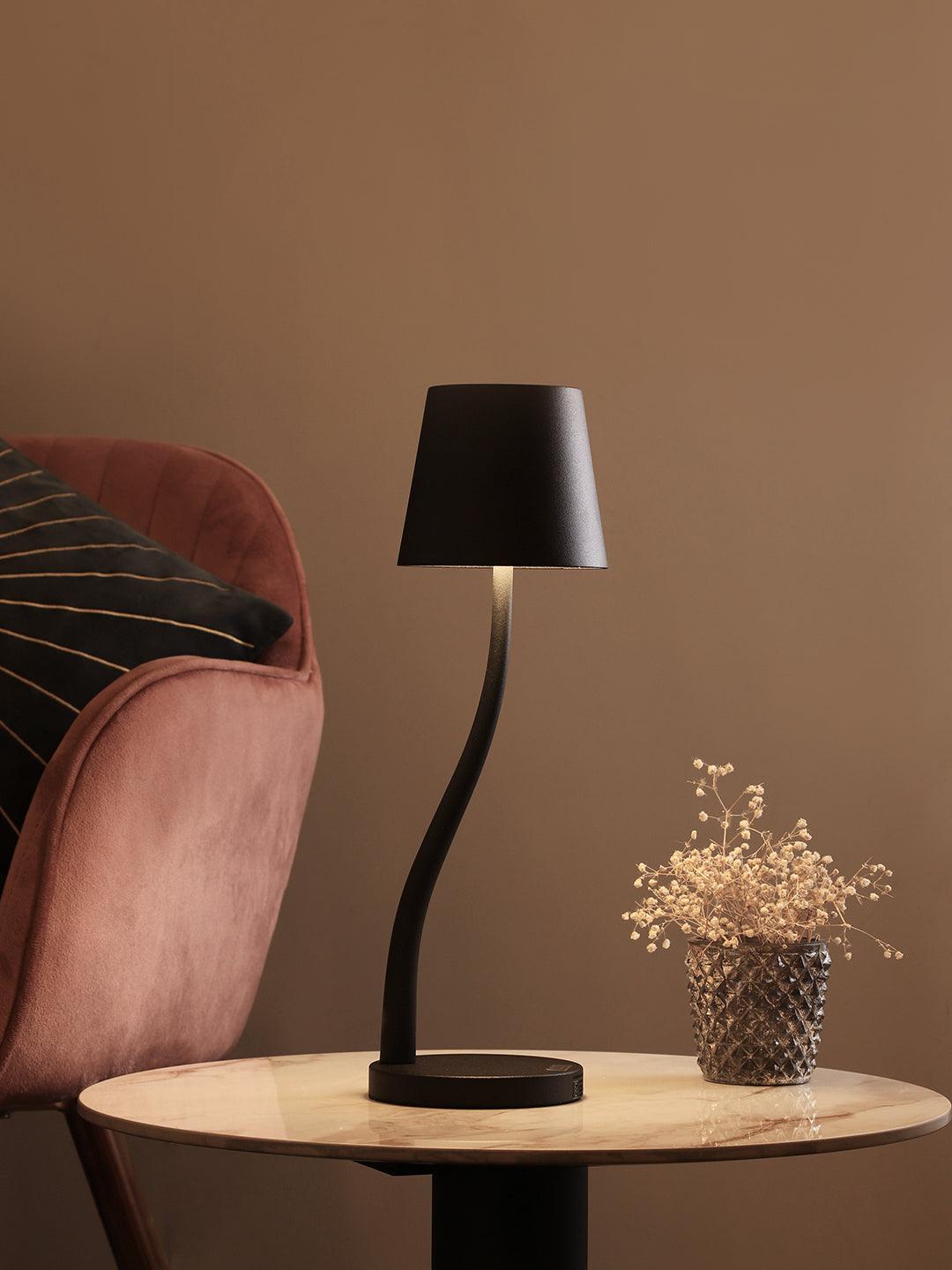
Portable lighting options for flexibility.
👉 Best for:
- Reading
- Relaxation corners
- Bedrooms
5. LED Strip Lights
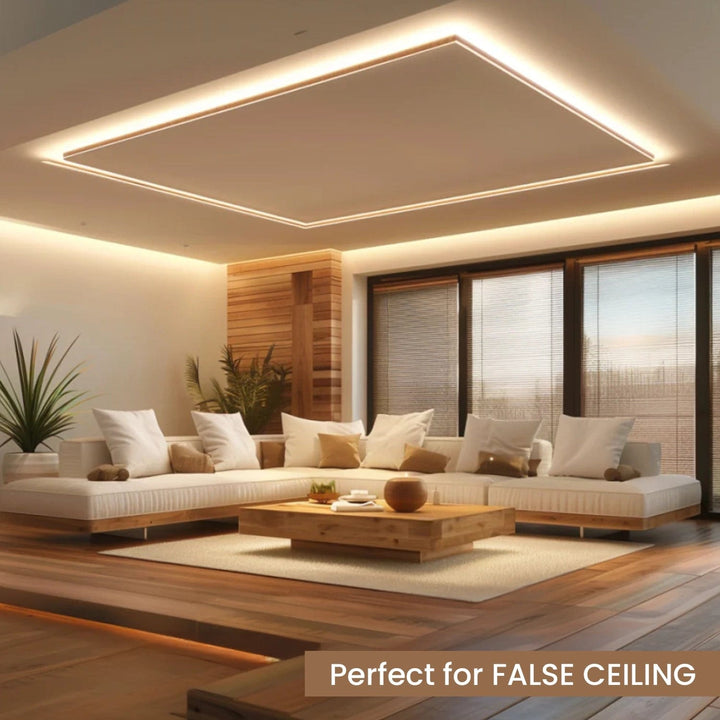


One of the biggest modern lighting trends.
👉 Used for:
- Indirect lighting
- Decorative effects
- Ambient glow
How to Choose the Right Indoor Lights
1. Match Lighting to Room Function
- Living room → layered lighting
- Kitchen → bright + task lighting
- Bedroom → warm + soft lighting
2. Pick the Right Color Temperature
- Warm white (2700K–3000K): Cozy
- Neutral (3500K–4000K): Balanced
- Cool white (5000K+): Focus
👉 Wrong color temperature = uncomfortable space.
3. Combine Multiple Light Sources
Single light = flat room
Use:
- Ceiling lights
- Lamps
- Accent lighting
Modern Indoor Lighting Trends
1. Smart Lighting
Control lights via mobile apps or voice assistants.
2. Minimalist Designs
Clean, sleek fixtures replacing bulky designs.
3. Indirect Lighting
Hidden LED strips creating soft, premium lighting.
4. Statement Lighting

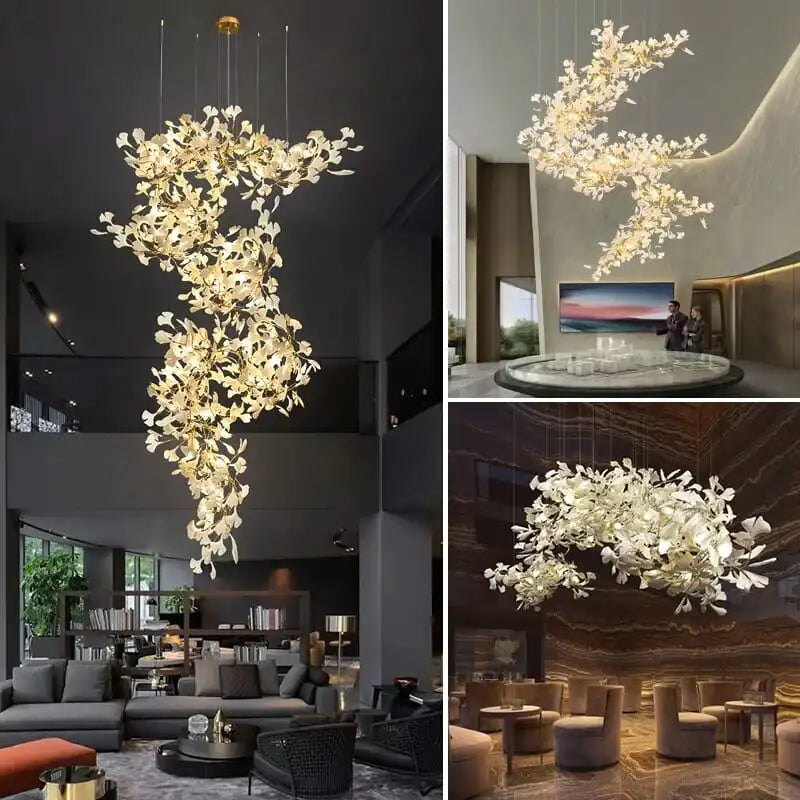
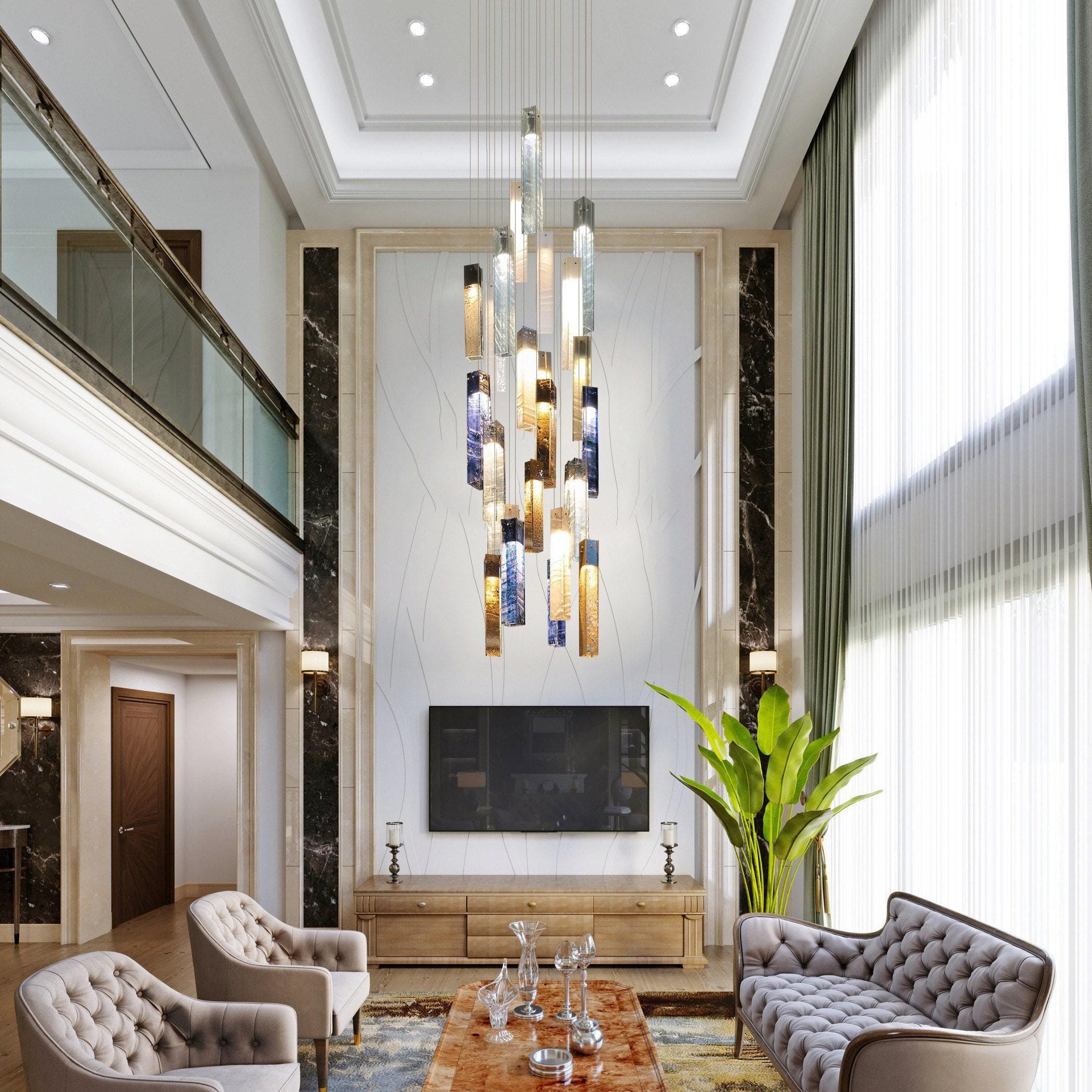
Bold fixtures that act as decor elements.
Common Indoor Lighting Mistakes
Let’s be blunt:
- ❌ Only one light source per room
- ❌ Ignoring layering
- ❌ Using harsh white lighting everywhere
- ❌ Poor placement causing shadows
- ❌ Choosing cheap fixtures
👉 Most bad interiors = bad lighting decisions.
Benefits of Good Indoor Lighting
- Better mood and comfort
- Increased productivity
- Enhanced interior design
- Lower energy bills (with LEDs)
- Higher property value
Conclusion
Indoor lights are not just functional—they’re foundational to good design. A well-planned lighting setup can completely transform your space.
If you’re still treating lighting as an afterthought, you’re doing it wrong.
 Deutsch
 English
 Arabic
 Français
 Español
 Português
 Türkçe
 Dutch
Dutch
 Italiano
 Russian
 Romaian