


Shangfeng 200A Plugs and Sockets: Enhancing Reliability with Routine Maintenance
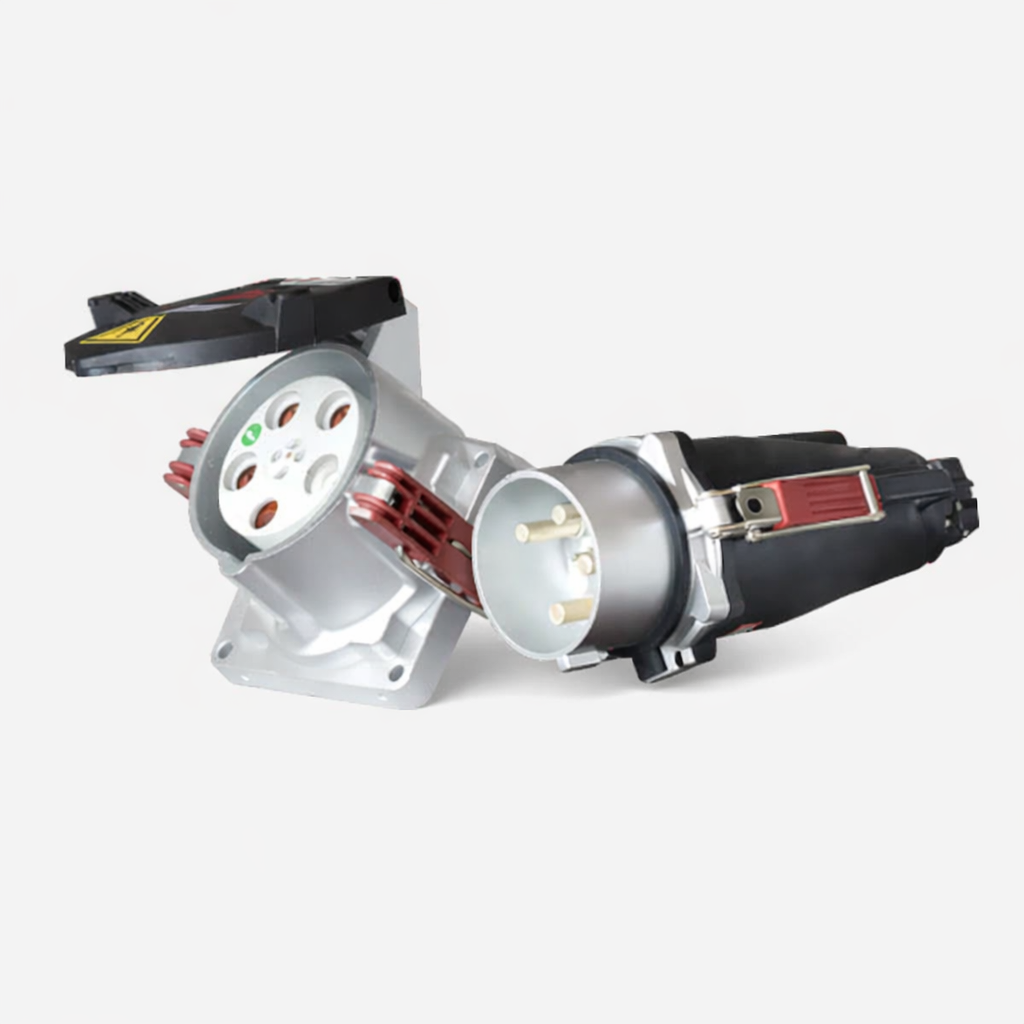
In electrical systems that carry heavy loads, attention to the 200A Plug and Socket forms a practical step toward steady operation. These connections appear in industrial setups, construction sites, and large equipment areas where consistent power flow matters. Over time, dust, moisture, and normal wear can affect contact quality, so a regular routine of maintenance and cleaning supports continued function without unnecessary downtime.
Daily checks start with a visual review once power is safely disconnected. Look for any buildup of dirt or signs of corrosion on the metal surfaces. A soft brush or compressed air removes loose particles effectively. Avoid water or liquid cleaners at this stage because they introduce risks in high-current environments. Instead, focus on dry methods first to clear away surface debris that might reduce conductivity.
For deeper cleaning, prepare a cloth slightly dampened with a mild electrical contact cleaner designed for such components. Wipe the pins and sockets gently to lift stubborn grime without scratching the plating. Manufacturers often suggest specific non-abrasive formulas that evaporate quickly and leave no residue. After wiping, allow the parts to air dry completely before reconnecting. This process takes only a few minutes yet helps maintain even current transfer across the interface.
Inspection follows cleaning as a paired habit. Examine the housing for cracks or loose fittings that could allow moisture entry. Tighten any screws or clamps according to the original torque guidelines to secure the assembly. Lubrication plays a supporting role here too. A thin layer of dielectric grease on the contacts protects against oxidation while permitting smooth insertion and removal. Apply it sparingly and reapply during each service interval to keep movement easy and corrosion at bay.
Storage conditions influence long-term condition as well. When the 200A Plug and Socket is not in active use, keep it in a dry, covered location away from direct sunlight or extreme temperature swings. Protective caps or cases shield the contacts from accidental impacts and environmental exposure. Labeling each unit with its last service date creates a simple tracking system that reminds teams when the next review is due.
Another useful practice involves documenting the maintenance schedule for each unit in a log. Note the date, type of cleaning performed, and any parts replaced. This record helps identify patterns, such as frequent dust accumulation in certain work areas, so adjustments to cleaning frequency can be made accordingly. Teams working in outdoor or dusty settings may schedule reviews every month, while indoor controlled environments allow for quarterly attention.
Common oversights include skipping the power-disconnect step or using household cleaners that leave conductive films behind. Both actions create hazards that proper procedures avoid. Training staff on these methods ensures everyone follows the same careful approach and reduces the chance of errors during routine service.
Beyond the hands-on tasks, selecting durable materials from the start complements maintenance efforts. Components built with quality plating and robust insulation respond better to regular care and show fewer issues over extended periods.For additional guidance on products suited to high-current needs and detailed care instructions, visit https://www.socketsfe.com/.

 Arabic
 Français
 Español
 Português
 Deutsch
 Türkçe
 Dutch
Dutch
 Italiano
 Russian
 Romaian