


Understanding Sanity Testing: A Practical Guide for Modern Development
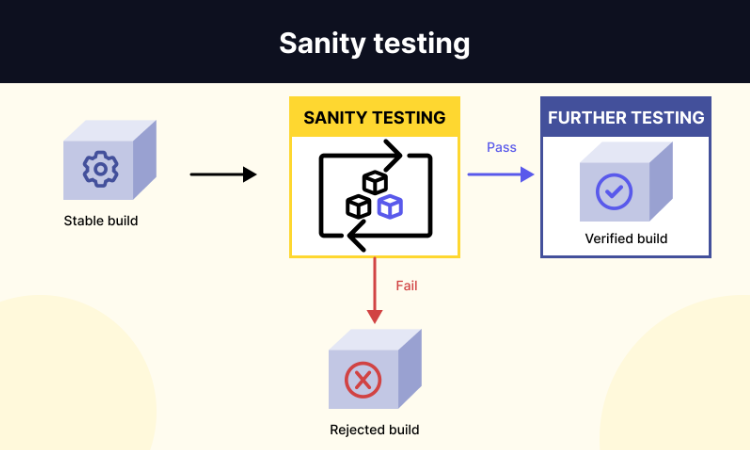
Software development is evolving rapidly, with teams pushing updates, bug fixes, and new features more frequently than ever. In such fast-paced environments, even small code changes can unintentionally break existing functionality. This is where sanity testing becomes essential. Sanity testing provides a quick and focused way to verify that recent changes work correctly without performing a full regression test, helping teams maintain stability while moving quickly.
Sanity testing is commonly used after bug fixes, minor feature enhancements, or small code modifications. Instead of testing the entire application, testers focus only on the affected areas. This approach saves time, reduces testing effort, and ensures that critical functionalities remain stable before proceeding to more detailed testing phases.
What is Sanity Testing?
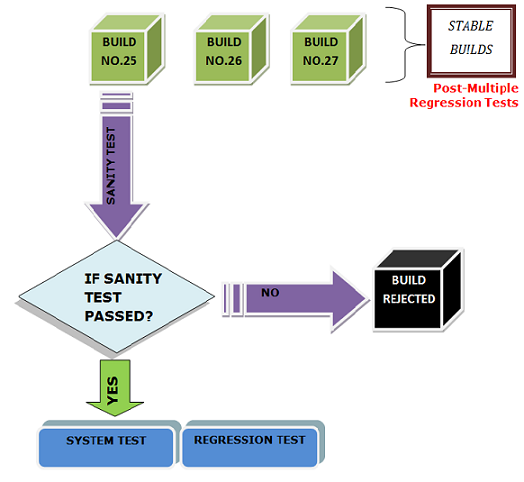
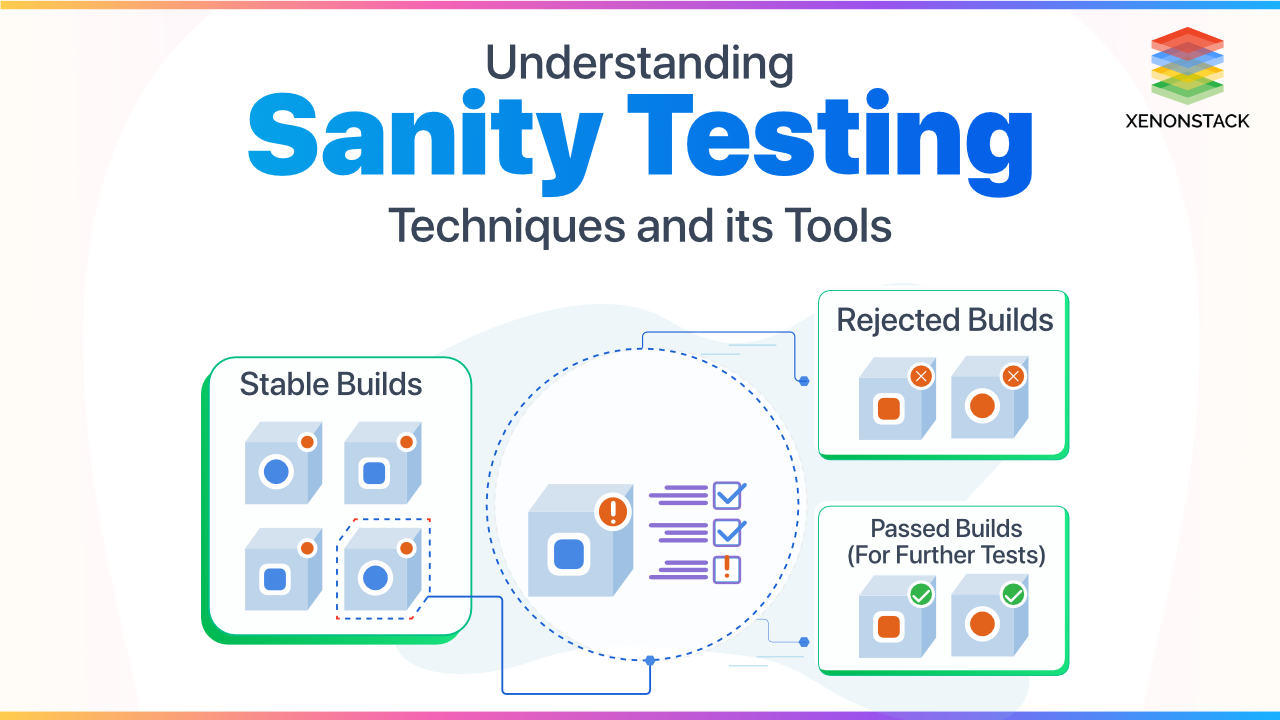
Sanity testing is a type of software testing performed after minor code changes, bug fixes, or updates to verify that the affected functionality works as expected. It is usually a quick and focused testing approach designed to validate stability before conducting further testing.
Unlike regression testing, which checks the entire application, sanity testing concentrates only on the modified modules. This makes it faster and more efficient, especially in agile environments where frequent updates are common.
For example, if developers fix a login issue, sanity testing would focus on verifying login functionality, related authentication features, and any impacted workflows. If these tests pass, the build is considered stable enough for further testing.
Objectives of Sanity Testing
Sanity testing serves several important objectives in software development:
-
Verify functionality after minor changes
-
Ensure system stability before further testing
-
Reduce unnecessary regression testing
-
Detect critical issues early
-
Improve development efficiency
By focusing only on recent updates, sanity testing helps teams quickly determine whether the application is stable enough to proceed.
When Should Sanity Testing Be Conducted?
Sanity testing is typically performed in the following situations:
-
After fixing a bug
-
After minor feature updates
-
Before merging code changes
-
Before deployment
-
When time constraints prevent full regression testing
These scenarios make sanity testing particularly useful in agile and DevOps workflows where quick validation is necessary.
How to Perform Sanity Testing
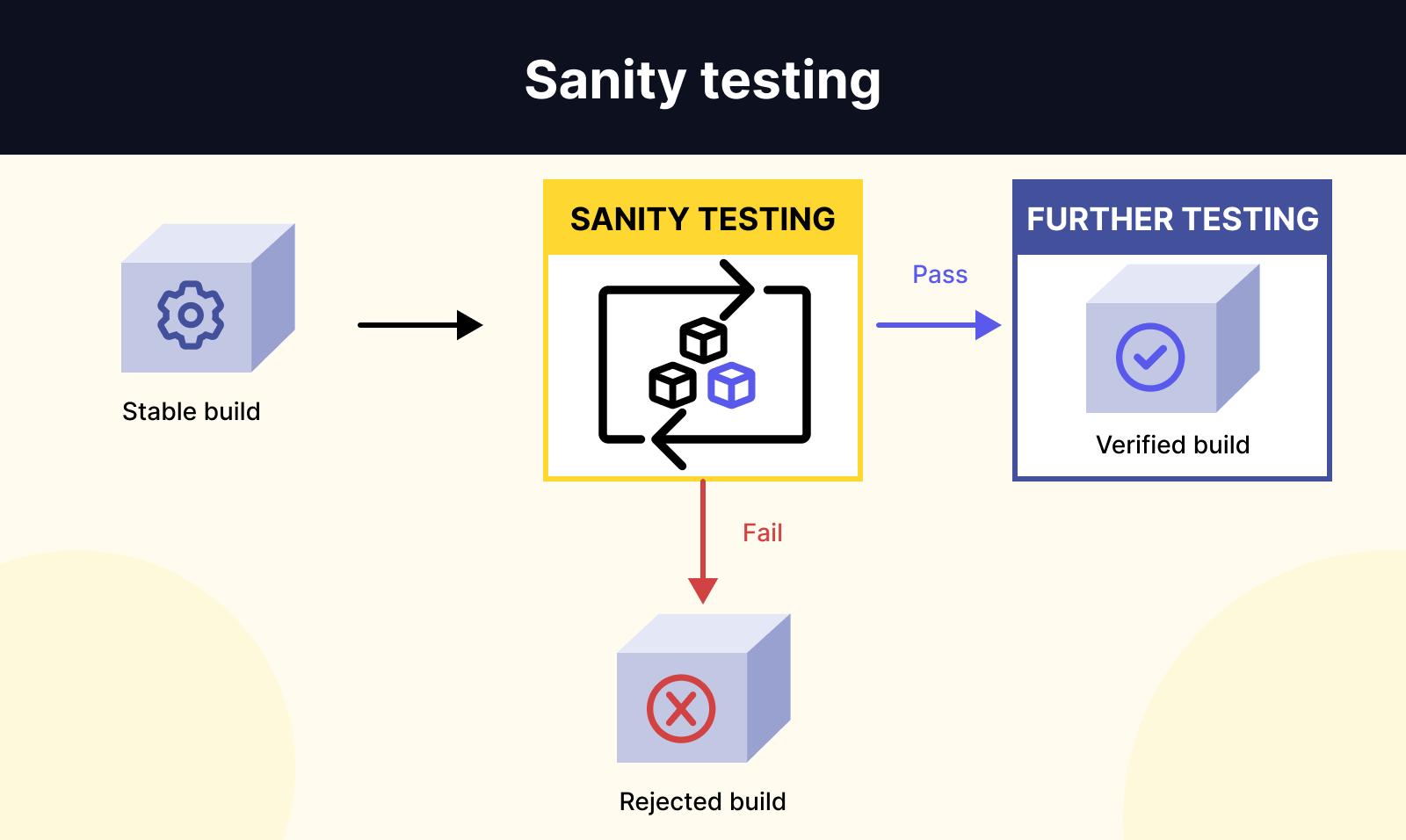
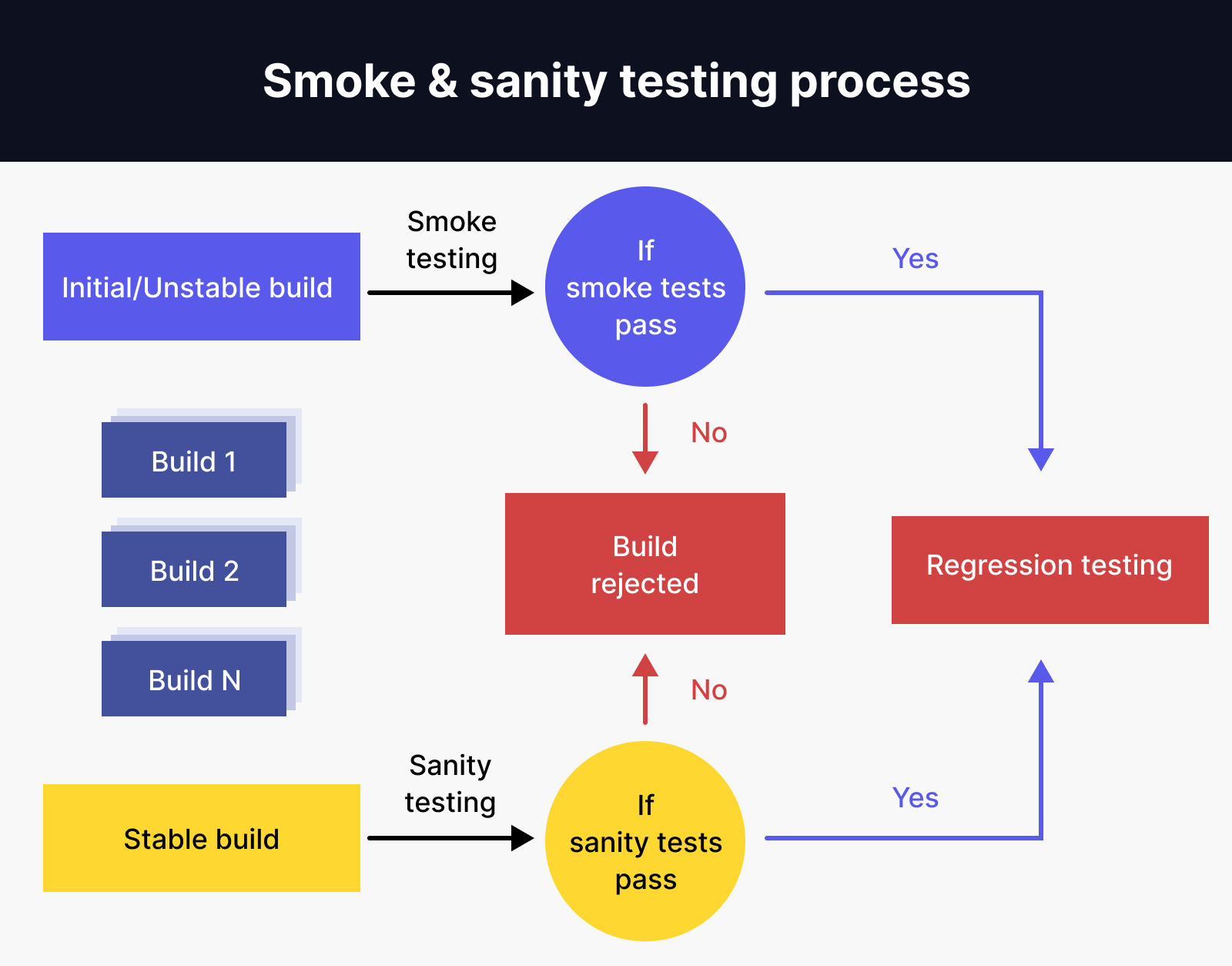
Performing sanity testing involves a structured but simple approach:
First, testers understand the recent changes by reviewing bug reports, release notes, or commits. Next, they identify critical areas affected by the modifications. Then, testers verify the modified functionality and test related components that may be impacted. After that, they execute basic user scenarios to confirm application stability. Finally, any issues discovered during testing are documented and reported to developers.
This structured approach helps teams quickly identify problems and maintain software quality.
Advantages of Sanity Testing
Sanity testing offers several benefits for development teams. It helps detect issues early, reducing debugging costs and preventing unstable builds from progressing further. Because sanity testing is quick, it improves development speed and supports continuous integration workflows. It also enhances collaboration between developers and QA teams by providing immediate feedback.
Additionally, sanity testing improves release quality by validating recent changes before full testing. This ensures that updates do not introduce unexpected issues.
Disadvantages of Sanity Testing
Despite its benefits, sanity testing has some limitations. Since the testing scope is narrow, some issues may go undetected. It also relies heavily on tester expertise, as testers must identify affected areas accurately. Additionally, sanity testing should not replace full regression testing, as it only verifies specific functionality.
Sanity Testing vs Smoke Testing
Sanity testing and smoke testing are often confused, but they serve different purposes. Smoke testing verifies basic system functionality after a new build, while sanity testing validates specific changes after bug fixes or updates.
Smoke testing is broader but shallow, whereas sanity testing is narrow but deeper. Both are important for maintaining software stability and improving development workflows.
Tools Used for Sanity Testing
Several tools help teams perform sanity testing efficiently:
-
Selenium WebDriver
-
Postman
-
Cypress
-
Jenkins
-
TestNG and JUnit
These tools help automate validation and integrate testing into CI/CD pipelines, making sanity testing faster and more reliable.
Role of Sanity Testing in SDLC
Sanity testing plays an important role in the Software Development Life Cycle. It acts as a quality checkpoint between development and testing phases. By validating recent changes, sanity testing ensures that only stable builds move forward.
This helps maintain software reliability, reduce testing effort, and improve release confidence.
Conclusion
Sanity testing is an essential part of modern software development. It provides a quick and focused way to validate recent changes, detect issues early, and maintain stability. In fast-moving development environments, sanity testing helps teams deliver high-quality software while keeping release cycles short.
By integrating sanity testing into your workflow, you can improve software reliability, reduce risks, and ensure smoother deployments.

 English
 Arabic
 Français
 Español
 Português
 Deutsch
 Türkçe
 Italiano
 Russian
 Romaian