


Understanding Integrated Marketing Communications (IMC): A Complete Guide
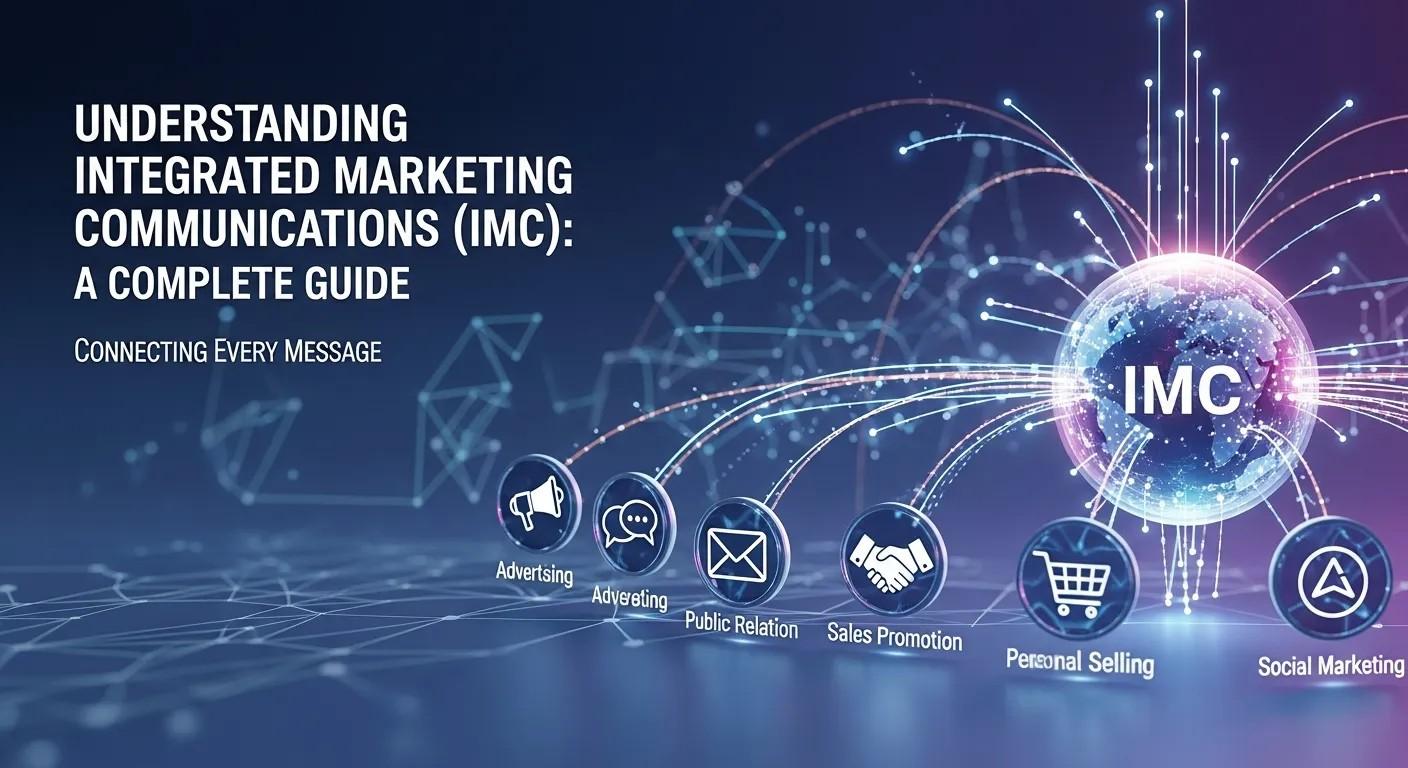
In today’s fast-moving digital world, brands can’t rely on a single channel to communicate with their audience. This is where Integrated Marketing Communications (IMC) comes in a strategic approach that ensures all marketing efforts work together seamlessly to deliver a consistent and powerful brand message.
What is Integrated Marketing Communications?
Integrated Marketing Communications (IMC) is the process of unifying all marketing tools, channels, and messaging into one cohesive strategy. Instead of running disconnected campaigns, IMC aligns everything from advertising and social media to email and PR so that every interaction reinforces the same brand identity.
Why IMC Matters
Modern consumers interact with brands across multiple platforms. Without integration, your message can become inconsistent, confusing, or ineffective. IMC helps by:
-
Creating a consistent brand voice
-
Improving customer trust and recognition
-
Increasing campaign effectiveness
-
Delivering a better customer experience
Key Components of IMC
A successful IMC strategy combines several core elements:
1. Advertising
Paid channels like Google Ads, social media ads, and display campaigns help generate awareness and drive traffic.
2. Content Marketing
Blogs, videos, and guides provide value to your audience while subtly promoting your brand.
3. Social Media Marketing
Platforms like Facebook, Instagram, and LinkedIn help brands engage directly with their audience and build relationships.
4. Email Marketing
Personalized emails keep customers informed, engaged, and connected to your brand.
5. Public Relations (PR)
PR helps build credibility through media coverage, press releases, and brand storytelling.
6. Sales Promotion
Discounts, offers, and limited-time deals encourage immediate action.
How to Build an Effective IMC Strategy
Step 1: Define Your Audience
Understand your target audience who they are, what they need, and where they spend time online.
Step 2: Set Clear Goals
Are you aiming for brand awareness, leads, or sales? Your goal will shape your strategy.
Step 3: Create a Unified Message
Ensure your messaging is consistent across all platforms.
Step 4: Choose the Right Channels
Focus on platforms where your audience is most active.
Step 5: Measure and Optimize
Track performance and continuously improve your campaigns.
Benefits of Integrated Marketing Communications
-
Stronger brand identity
-
Better ROI from marketing campaigns
-
Improved customer engagement
-
Clear and consistent messaging
Final Thoughts
Integrated Marketing Communications is not just a strategy it’s a necessity in today’s competitive landscape. By aligning all your marketing efforts, you create a seamless brand experience that builds trust, boosts engagement, and drives long-term growth.
If you want your marketing to truly work, stop thinking in silos start thinking in integration.
Read More About This Topic: Understanding Integrated Marketing Communications


 Arabic
 Français
 Español
 Português
 Deutsch
 Türkçe
 Dutch
Dutch
 Italiano
 Russian
 Romaian