


Industrial Grease Trap Cleaning Guide for Long-Term Performance
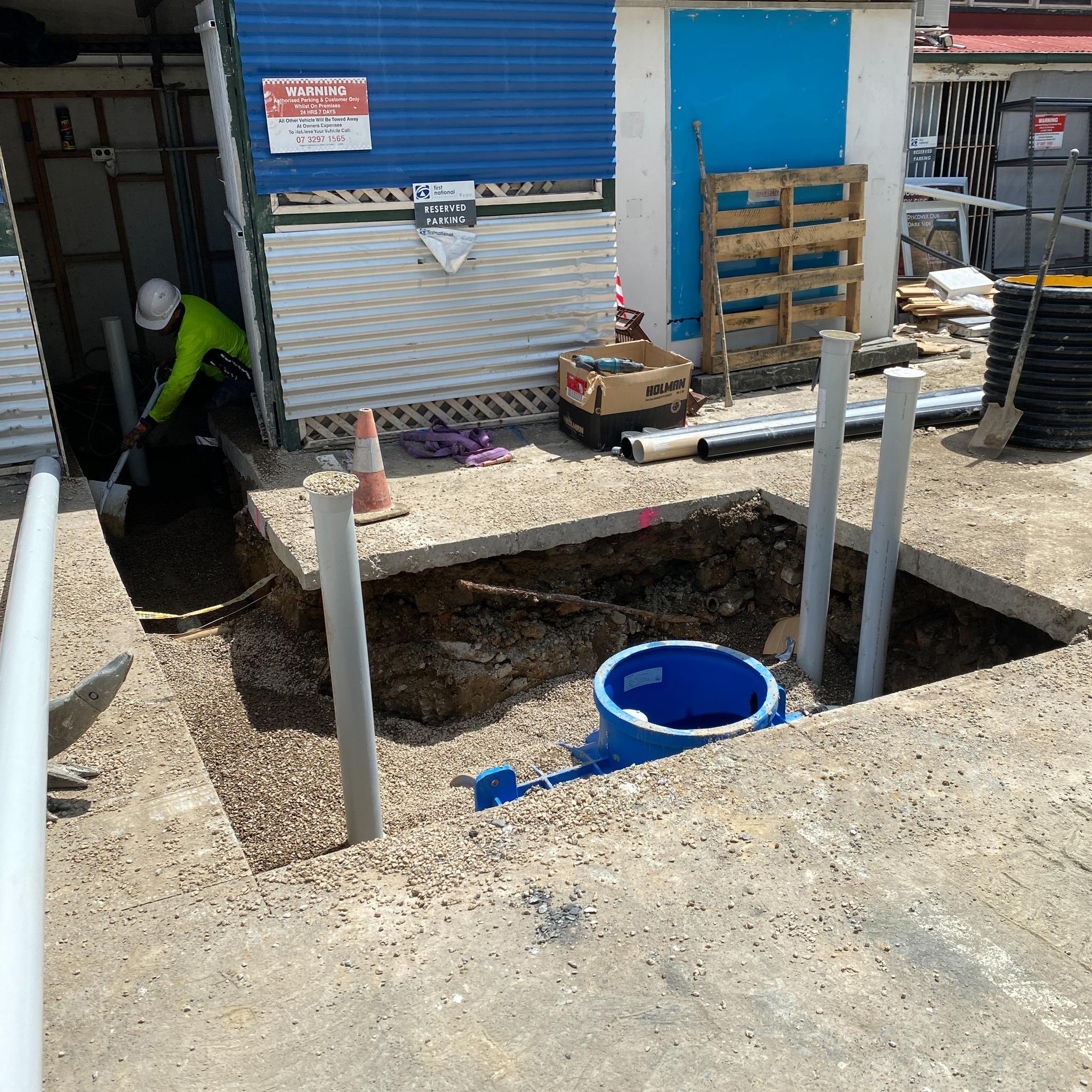
In any commercial or industrial kitchen, grease is an unavoidable byproduct. From restaurants and food processing units to large-scale catering facilities, fats, oils, and grease (commonly known as FOG) can quickly accumulate and create serious plumbing issues. This is where an industrial grease trap becomes essential. However, simply installing a grease trap is not enough—regular cleaning and proper maintenance are key to ensuring long-term performance and efficiency.
Why Grease Trap Cleaning Matters
An industrial grease trap is designed to intercept FOG before it enters the wastewater system. Over time, grease and solid waste build up inside the trap, reducing its capacity and efficiency. If left uncleaned, this buildup can lead to unpleasant odors, slow drainage, and even complete blockages.
Regular cleaning not only prevents these issues but also ensures compliance with local regulations. Many municipalities have strict guidelines regarding grease trap maintenance, and failing to meet these standards can result in fines or operational disruptions.
Signs Your Grease Trap Needs Cleaning
Understanding when your grease trap requires attention can save you from costly repairs. Some common signs include:
- Foul odors coming from drains or the trap itself
- Slow drainage in sinks and kitchen fixtures
- Grease overflowing into wastewater lines
- Increased frequency of plumbing backups
If you notice any of these issues, it’s a clear indication that your grease trap needs immediate cleaning.
How Often Should You Clean It?
The frequency of cleaning depends on the size of the grease trap and the volume of kitchen operations. As a general rule, grease traps should be cleaned when they reach 25% of their capacity in grease and solids. For high-usage facilities, this may mean cleaning every 1–2 weeks, while smaller operations might require monthly maintenance.
Establishing a consistent cleaning schedule is crucial for maintaining optimal performance and avoiding unexpected downtime.
Step-by-Step Cleaning Process
Cleaning an industrial grease trap requires careful handling and proper tools. Here’s a simplified process:
- Turn Off Equipment: Ensure all connected kitchen appliances are switched off before starting.
- Remove the Lid: Carefully open the grease trap to access the contents.
- Measure Grease Levels: Check the amount of accumulated grease and solids.
- Remove Waste: Use a scoop or vacuum pump to extract grease, oil, and sludge.
- Clean the Interior: Scrape the walls and baffles to remove any remaining residue.
- Wash and Reassemble: Clean all components thoroughly before placing them back.
While some facilities handle this process in-house, many prefer hiring professionals like Citi Industries to ensure thorough cleaning and proper waste disposal.
Best Practices for Long-Term Performance
To maximize the lifespan and efficiency of your grease trap, consider the following tips:
- Avoid Pouring Excess Grease: Dispose of cooking oil separately instead of letting it enter the trap.
- Use Strainers: Prevent food particles from entering the drainage system.
- Train Staff: Educate kitchen staff on proper waste disposal practices.
- Schedule Inspections: Regular inspections help identify potential issues early.
- Maintain Records: Keep a log of cleaning and maintenance activities for compliance purposes.
These practices not only improve performance but also reduce the frequency of major cleanings.
Environmental and Cost Benefits
Proper grease trap maintenance contributes to environmental sustainability by preventing harmful substances from entering water systems. It also reduces the risk of sewer overflows, which can have serious ecological consequences.
From a financial perspective, regular cleaning minimizes the chances of emergency repairs, downtime, and fines. Investing in routine maintenance is far more cost-effective than dealing with major plumbing failures.
Final Thoughts
An industrial grease trap is a critical component of any commercial kitchen, but its effectiveness depends entirely on how well it is maintained. Regular cleaning, timely inspections, and responsible usage can significantly enhance its performance and longevity.
By following a structured cleaning routine and adopting best practices, businesses can ensure smooth operations, maintain hygiene standards, and avoid unnecessary expenses. In the long run, a well-maintained grease trap is not just a necessity—it’s a smart investment in efficiency and sustainability.

 English
 Arabic
 Français
 Español
 Português
 Deutsch
 Türkçe
 Italiano
 Russian
 Romaian