Counterfeit currency is a global issue that affects economies, businesses, and individuals. Among commonly circulated denominations, the $20 bill is one of the most frequently targeted due to its widespread everyday use.
Counterfeit 20 dollar bills are a common form of fake currency that can affect businesses and individuals alike. Understanding how counterfeit money impacts society—and how to recognize genuine currency—can help reduce financial loss and promote safer transactions.
What Is Counterfeit Currency?
Counterfeit currency refers to fake money produced without legal authorization, designed to imitate real banknotes. The goal is to deceive people into accepting it as legitimate payment. Governments and financial institutions continuously update banknote designs to stay ahead of counterfeiters.
Why the $20 Bill Is Targeted
The $20 bill is widely used in daily transactions such as retail purchases, dining, and small business exchanges. Because it circulates so frequently, counterfeit versions can sometimes go unnoticed, making it a common target for illegal reproduction.
Key Features of Genuine $20 Bills
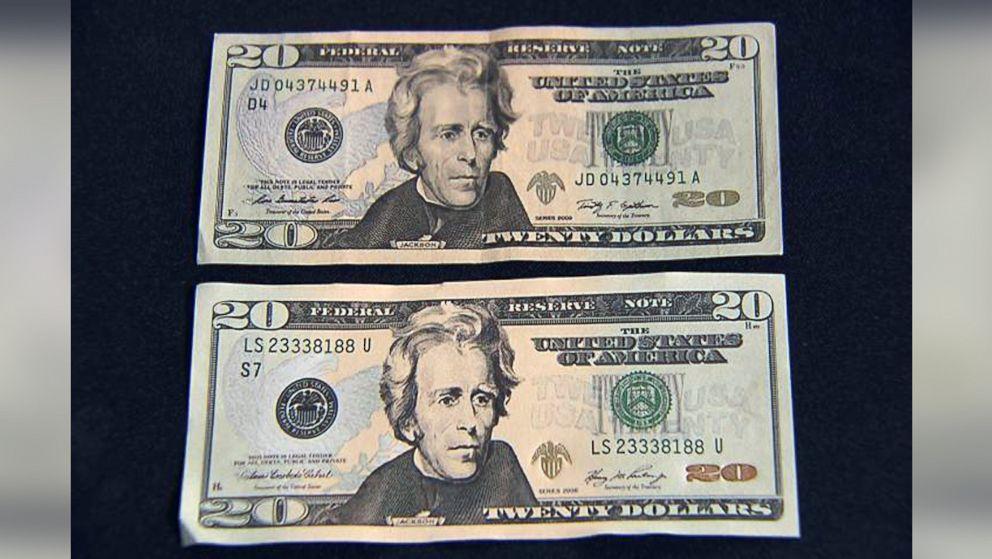
Authentic U.S. $20 bills include several advanced security features to prevent counterfeiting. Some of the most notable include:
- Security Thread: A thin embedded strip that glows under ultraviolet light.
- Color-Shifting Ink: The number “20” in the corner changes color when tilted.
- Watermark: A faint image visible when held up to light.
- Raised Printing: Genuine currency has a distinct texture due to specialized printing methods.
- Microprinting: Extremely small text that is difficult to replicate accurately.
These features are designed to be easily checked by the public without specialized tools.
Risks and Consequences
Handling counterfeit money—knowingly or unknowingly—can have serious consequences:
- Financial Loss: Businesses and individuals who accept fake bills typically cannot recover the value.
- Legal Issues: Intentionally using or distributing counterfeit currency is a serious criminal offense in most countries.
- Economic Impact: Counterfeiting undermines trust in the financial system and can disrupt local economies.
Tips to Avoid Counterfeit Bills
- Inspect Carefully: Always check the feel, look, and security features of a bill.
- Use Proper Lighting: Hold the bill up to light to verify the watermark and security thread.
- Compare with Genuine Bills: When in doubt, compare with a known authentic note.
- Stay Alert in Cash Transactions: Be extra cautious during busy or rushed exchanges.
What To Do If You Suspect a Counterfeit Bill
If you believe you’ve received a counterfeit bill, avoid returning it to circulation. Instead, report it to local authorities or a financial institution. Providing information about where and how you received it can help prevent further spread.
Conclusion
Counterfeit $20 bills remain a concern due to their frequent use in everyday transactions. By understanding the security features of genuine currency and staying alert during cash exchanges, individuals and businesses can protect themselves from potential losses. Awareness and vigilance are key to maintaining trust in the financial system.




 Arabic
 Français
 Español
 Português
 Deutsch
 Türkçe
 Dutch
Dutch
 Italiano
 Russian
 Romaian