


How Rural Communities Benefit from Inclusive Clinical Research
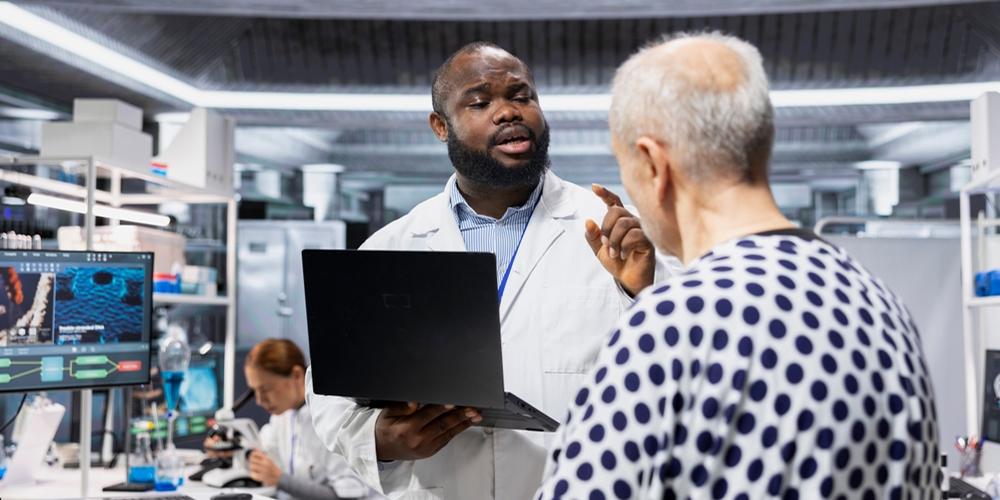
Healthcare progress often moves fast in cities, but rural areas don’t always get the same attention. That gap can affect how quickly people access new treatments or participate in medical studies that shape future care. This is where inclusive research plays a real role in changing outcomes.
The benefits of inclusive clinical research in rural areas go beyond participation numbers. It improves access to care, builds stronger trust in medical systems, and helps ensure treatments actually reflect real-world communities, not just urban settings.
In this blog, we’ll walk through why inclusion matters, how it improves healthcare access, what it means for local economies, and the challenges that still need attention.
Why Inclusive Clinical Research Matters for Rural Communities
Inclusive clinical research means involving people from different backgrounds, locations, and living conditions in medical studies. It sounds simple, but in reality, rural communities are often left out of the picture.
One major reason is location. Many clinical trials are run in large hospitals or research centers in cities. For someone living hours away, participation becomes difficult, expensive, and sometimes unrealistic. As a result, rural populations are underrepresented in research data.
However, this underrepresentation creates a problem. Treatments and findings may not fully reflect how diseases behave in rural environments, where factors like lifestyle, occupation, and access to care can be very different.
Moreover, inclusive research helps balance this gap by bringing in voices that are usually missing. It ensures medical studies are built on real diversity, not a narrow sample. That leads to more practical and reliable healthcare solutions.
On the other hand, inclusion is not just about fairness. It is also about accuracy. When more types of people are part of research, results become more relevant to everyday life.
This brings us to a bigger question: what changes when clinical research actually reaches rural communities instead of staying centered in cities?
Better Access to Healthcare Through Local Trials
When clinical research moves closer to rural communities, access improves in ways that are easy to notice. One of the biggest changes is reduced travel. Patients no longer need to spend long hours reaching urban hospitals just to participate in studies or follow-up visits.
In addition, local participation often means faster access to new treatments. Some patients get opportunities to try therapies before they are widely available, which can be important for conditions that need long-term care or have limited treatment options.
Moreover, local clinics and healthcare providers become more involved in the research process. This helps them stay updated with current medical practices and improves the quality of care they provide every day, not just during trials.
However, there is also a human side to this change. When people see familiar doctors involved in research, it feels less distant and more approachable. That comfort can make participation easier and less stressful for patients and families.
On the other hand, access alone is not the full story. There is also a deeper impact on how communities grow socially and economically when research becomes part of local healthcare systems.
Economic and Social Benefits for Rural Areas
Clinical research in rural areas can bring more than medical improvement. It often supports local economies in quiet but meaningful ways. For example, research projects may hire local staff for coordination, administration, or healthcare support roles. These opportunities can help create steady income sources in smaller communities.
Moreover, healthcare facilities that take part in research often receive better training and upgraded systems. This improves general healthcare services for everyone, not just study participants. Even routine patients benefit from better-equipped clinics and more trained professionals.
In addition, there is a social impact that builds over time. When communities are included in research, they often feel more connected to healthcare decisions. People start to see themselves as part of the process rather than outside of it.
However, this shift does not happen overnight. It grows slowly as awareness spreads and participation becomes more common. Local discussions, shared experiences, and visible benefits all play a role in shaping that change.
So while economic benefits matter, the social impact often lasts even longer. And this naturally leads to another important factor that decides the success of rural research efforts: trust.
Building Trust and Increasing Participation in Clinical Studies
Trust is often the deciding factor in whether someone agrees to join a clinical study. In many rural areas, hesitation comes from limited exposure to research or uncertainty about how trials actually work.
However, this gap can be reduced through clear communication. When medical teams explain studies in simple terms and answer questions openly, people feel more confident about participating. Complex language tends to create distance, while clarity builds comfort.
Moreover, local healthcare professionals play a big role here. People are more likely to trust doctors and nurses they already know. When these familiar voices support research participation, it feels less like an outside process and more like a community effort.
In addition, awareness programs help people understand their rights, safety measures, and the purpose of research. This reduces fear and builds a more informed perspective over time.
On the other hand, trust also grows through observation. When individuals see neighbors or family members having positive experiences, they become more open to the idea themselves. It slowly creates a cycle of confidence within the community.
Still, even with growing trust, there are real-world challenges that need practical solutions to keep progress moving forward.
Key Challenges and Practical Ways to Address Them
Rural inclusion in clinical research is improving, but it still faces a few clear challenges. Distance remains one of the biggest barriers. Traveling long hours for check-ups or participation can discourage many people from joining studies.
Moreover, limited internet access in some areas makes it harder to use digital tools that support modern research methods. This can slow down communication and data sharing.
However, practical solutions are already making a difference. Mobile health units, for example, bring research services directly to communities. Hybrid trial models that combine in-person and remote participation are also helping reduce travel needs.
In addition, stronger coordination between city-based research teams and rural clinics is improving efficiency. This connection ensures that rural participants receive the same level of attention and care as anyone else in a study.
While these steps don’t remove every challenge, they do make participation more realistic and consistent for rural populations.
Conclusion
Inclusive clinical research is slowly reshaping how healthcare reaches rural communities. It improves access to treatment, creates local opportunities, builds stronger trust in medical systems, and ensures research reflects real-life diversity rather than a narrow segment of society.
There is still work to do, especially when it comes to distance, awareness, and access to resources. But the progress so far shows that small, steady steps can lead to meaningful change over time.
What matters most is keeping rural voices part of the conversation. When communities are included in research, healthcare becomes more practical, more balanced, and more connected to everyday life.
Efforts like local clinical research mentorship Cape Girardeau highlight how structured guidance and local involvement can bring people closer to research opportunities and help bridge long-standing gaps in participation.

 Arabic
 Français
 Español
 Português
 Deutsch
 Türkçe
 Dutch
Dutch
 Italiano
 Russian
 Romaian