


Environmental Impact of Using Plate Compactors
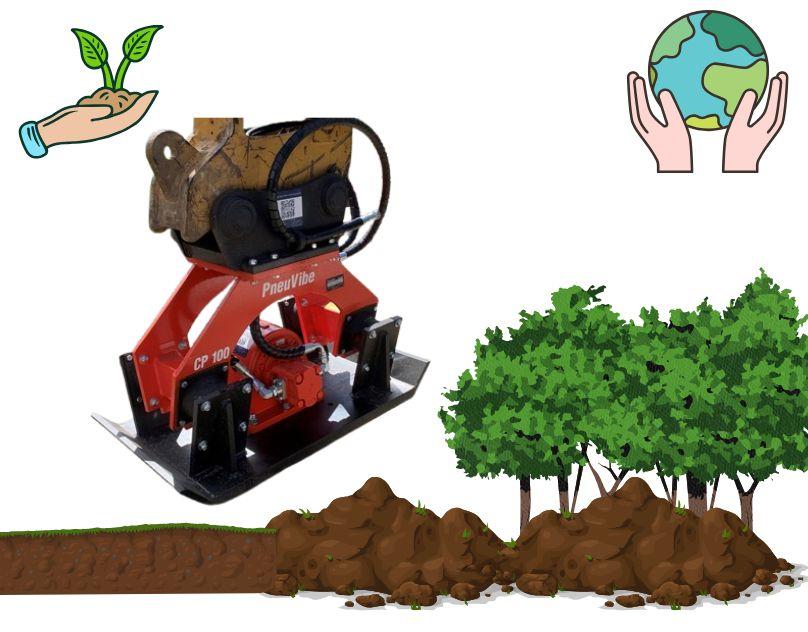
Plate compactors are widely used in construction, landscaping, and infrastructure projects to create stable and durable surfaces. From preparing soil for foundations to compacting gravel for pathways, these machines play a crucial role in ensuring structural integrity. However, like most construction equipment, plate compactors have an environmental footprint that needs to be considered. Understanding their impact can help businesses and contractors adopt more sustainable practices while maintaining efficiency.
Understanding Plate Compactors and Their Role
Plate compactors are mechanical devices that use vibration and weight to compress soil, gravel, or asphalt. They are essential for minimizing air gaps in materials, which helps prevent settling and improves load-bearing capacity. While their benefits in construction are undeniable, the environmental implications associated with their operation deserve closer attention.
Fuel Consumption and Emissions
One of the primary environmental concerns associated with plate compactors is fuel consumption. Most traditional models are powered by petrol or diesel engines, which emit greenhouse gases such as carbon dioxide (CO₂), carbon monoxide (CO), and nitrogen oxides (NOx). These emissions contribute to air pollution and climate change.
Frequent use of plate compactors on large-scale construction sites can significantly increase the carbon footprint of a project. Contractors who rely on older or poorly maintained machines may inadvertently produce higher levels of emissions. Transitioning to modern, fuel-efficient models or electric alternatives can help mitigate this impact.
Noise Pollution and Its Effects
Another notable environmental issue is noise pollution. Plate compactors generate high levels of noise due to engine operation and vibration mechanisms. Prolonged exposure to such noise can affect not only workers but also nearby communities and wildlife.
In urban areas, excessive noise from plate compactors can disrupt daily life and lead to complaints from residents. In more natural settings, such as parks or rural construction zones, noise can disturb animals and alter their behavior. Using noise-reducing technologies or limiting operating hours can help minimize these effects.
Soil Compaction and Ecosystem Impact
While soil compaction is necessary for construction, it can also negatively affect the environment if not managed properly. Overuse of plate compactors can lead to excessive soil compression, reducing its permeability and limiting water infiltration. This can result in increased surface runoff and a higher risk of erosion.
Moreover, compacted soil can hinder plant growth by restricting root development and reducing oxygen availability. This can impact local vegetation and disrupt ecosystems. Responsible use of plate compactors, including proper assessment of soil conditions and avoiding over-compaction, is essential to balance construction needs with environmental preservation.
Impact on Water Drainage
Improper compaction can also influence natural water drainage patterns. When plate compactors are used without careful planning, they can create overly dense surfaces that prevent water from seeping into the ground. This can lead to water pooling, flooding, or strain on drainage systems.
Construction projects that involve large areas of compaction must consider sustainable drainage solutions. Incorporating permeable materials and designing effective water management systems can reduce the negative effects associated with compaction.
Energy Efficiency and Technological Advancements
Advancements in technology are helping to reduce the environmental impact of plate compactors. Many manufacturers are now producing energy-efficient models that consume less fuel and emit fewer pollutants. Electric plate compactors, in particular, are gaining popularity due to their lower emissions and quieter operation.
Battery-powered models eliminate the need for fossil fuels, making them a more environmentally friendly option for smaller projects or indoor applications. Although they may have limitations in terms of power and runtime, ongoing improvements in battery technology are making them increasingly viable.
Waste and Maintenance Considerations
The environmental impact of plate compactors is not limited to their operation. Maintenance and disposal also play a role. Improper disposal of engine oil, filters, and worn-out parts can contribute to environmental pollution.
Regular maintenance not only extends the lifespan of plate compactors but also ensures they operate efficiently, reducing fuel consumption and emissions. Contractors should follow proper waste management practices, including recycling and safe disposal of hazardous materials, to minimize environmental harm.
Sustainable Practices for Using Plate Compactors
To reduce the environmental impact of plate compactors, construction professionals can adopt several sustainable practices:
- Use fuel-efficient or electric models: Switching to modern equipment can significantly reduce emissions.
- Perform regular maintenance: Well-maintained machines operate more efficiently and produce fewer pollutants.
- Avoid over-compaction: Assess soil requirements carefully to prevent unnecessary environmental damage.
- Implement noise control measures: Use equipment with noise reduction features and operate within acceptable hours.
- Plan for proper drainage: Incorporate designs that allow water to flow naturally and prevent runoff issues.
By integrating these practices, contractors can balance operational efficiency with environmental responsibility.
Regulatory Standards and Compliance
Governments and environmental agencies are increasingly implementing regulations to control emissions and noise levels from construction equipment. Compliance with these standards is essential not only to avoid penalties but also to contribute to broader environmental goals.
Using certified plate compactors that meet emission standards can help companies align with legal requirements and demonstrate their commitment to sustainability. Staying informed about local regulations is crucial for responsible operation.
The Future of Eco-Friendly Compaction
The construction industry is gradually moving toward greener solutions, and plate compactors are no exception. Innovations such as hybrid engines, improved vibration technology, and smarter energy management systems are paving the way for more sustainable equipment.
As awareness of environmental issues continues to grow, demand for eco-friendly plate compactors is likely to increase. Manufacturers are expected to invest more in research and development to create machines that deliver high performance with minimal environmental impact.
Plate compactors are indispensable tools in modern construction, but their environmental impact cannot be overlooked. From emissions and noise pollution to soil and water effects, their usage presents several challenges that require careful management.
By adopting sustainable practices, investing in advanced technologies, and adhering to environmental regulations, the negative impact of plate compactors can be significantly reduced. A balanced approach ensures that construction projects remain efficient while protecting the environment for future generations.

 English
 Arabic
 Français
 Español
 Português
 Deutsch
 Türkçe
 Dutch
Dutch
 Italiano
 Russian