


How Cleanroom Injection Molding Delivers Contamination-Free Plastic Components
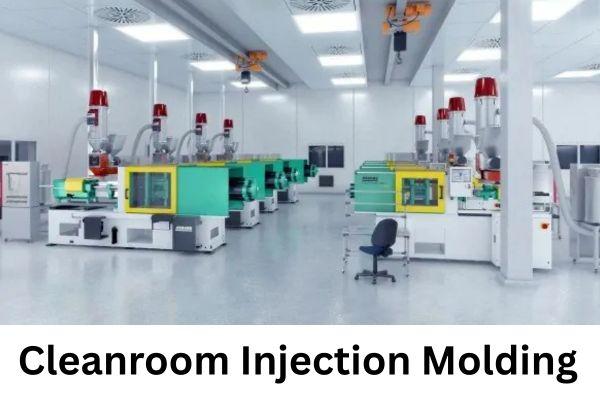
In industries where even microscopic contaminants can compromise product safety and performance, maintaining a sterile manufacturing environment is not optional—it is essential. Cleanroom injection molding has emerged as a critical solution for producing high-quality plastic components that meet strict cleanliness and regulatory standards. From medical devices to electronics and food-grade packaging, this specialized process ensures that every product is manufactured in a controlled, contamination-free environment.
What Is Cleanroom Injection Molding?
Cleanroom injection molding is a manufacturing process carried out within a controlled environment where factors such as airborne particles, temperature, humidity, and pressure are carefully regulated. Unlike a standard plastic injection molding factory, a cleanroom facility is designed to minimize contamination risks by using high-efficiency particulate air (HEPA) filtration systems, controlled airflow, and strict operational protocols.
Cleanrooms are classified based on the number of particles allowed per cubic meter of air. For example, ISO Class 7 or ISO Class 8 cleanrooms are commonly used in Cleanroom Plastic Injection Manufacturing, depending on the application requirements. The lower the class number, the stricter the cleanliness standards.
Why Contamination Control Matters
Contamination can come from various sources, including dust particles, microorganisms, human contact, and even the materials used in production. In sectors like healthcare and pharmaceuticals, contamination can lead to product failure, regulatory non-compliance, or even serious health risks.
Cleanroom injection molding addresses these challenges by creating an environment where contamination is proactively controlled. Operators wear specialized garments, equipment is regularly sanitized, and materials are handled with extreme care. This ensures that the final product meets the highest standards of purity and reliability.
Key Features of Cleanroom Injection Molding
One of the defining characteristics of cleanroom injection molding is its integration of advanced technology with strict process control. The molding machines used are often enclosed or designed specifically for cleanroom compatibility. Automation plays a significant role, reducing human intervention and thereby lowering the risk of contamination.
Additionally, raw materials are carefully selected and pre-treated to eliminate impurities. The entire workflow—from material feeding to part ejection and packaging—is optimized to maintain a sterile environment. This level of control is rarely achievable in a conventional plastic injection molding factory.
Applications Across Industries
Cleanroom Plastic Injection Manufacturing is widely used in industries where hygiene and precision are paramount. In the medical field, it is used to produce surgical instruments, diagnostic components, syringes, and implantable devices. These products must meet stringent regulatory standards, making cleanroom production essential.
In the electronics industry, cleanroom molding prevents dust and static contamination that could damage sensitive components. Similarly, in food and beverage packaging, maintaining a contamination-free environment ensures product safety and extends shelf life.
Even in the aerospace and automotive sectors, certain high-performance components require cleanroom conditions to ensure reliability and durability.
The Role of Automation and Technology
Automation is a cornerstone of cleanroom injection molding. Robotic systems are often used to handle parts, reducing the need for human interaction. This not only improves efficiency but also significantly reduces contamination risks.
Modern cleanroom facilities also incorporate real-time monitoring systems that track air quality, temperature, and humidity. Any deviation from the set parameters triggers immediate corrective actions, ensuring consistent production quality.
Advanced molding techniques, such as multi-cavity molds and micro-injection molding, further enhance precision and productivity. These technologies enable manufacturers to produce complex components with tight tolerances while maintaining a sterile environment.
Comparison with Plastic Thermoforming
While cleanroom injection molding offers unmatched precision and contamination control, it is important to understand how it compares with plastic thermoforming. Plastic thermoforming involves heating a plastic sheet and shaping it over a mold, making it suitable for simpler designs and lower production costs.
However, thermoforming generally does not provide the same level of environmental control as cleanroom injection molding. For applications requiring high purity and intricate designs, Cleanroom Plastic Injection Manufacturing is the preferred choice. That said, both processes can complement each other depending on the project requirements.
Benefits of Cleanroom Injection Molding
The advantages of cleanroom injection molding go beyond contamination control. It ensures consistent product quality, reduces defect rates, and enhances overall manufacturing efficiency. By minimizing the risk of contamination, manufacturers can avoid costly recalls and maintain compliance with industry regulations.
Another key benefit is scalability. Cleanroom facilities are designed to handle both small and large production volumes without compromising quality. This makes them ideal for businesses looking to scale their operations while maintaining strict quality standards.
Furthermore, the integration of cleanroom environments with a plastic injection molding factory setup allows for seamless production workflows, from prototyping to mass manufacturing.
Challenges and Considerations
Despite its many benefits, cleanroom injection molding comes with certain challenges. Setting up and maintaining a cleanroom facility requires significant investment in infrastructure, equipment, and training. Operational costs are also higher due to the need for continuous monitoring and maintenance.
Additionally, strict protocols must be followed at all times, which can limit flexibility in certain manufacturing processes. However, for industries where contamination control is critical, these challenges are outweighed by the benefits.
The Future of Cleanroom Plastic Injection Manufacturing
As industries continue to demand higher standards of quality and safety, the importance of cleanroom injection molding is expected to grow. Innovations in materials, automation, and monitoring technologies are making cleanroom manufacturing more efficient and accessible.
Sustainability is also becoming a key focus area. Manufacturers are exploring ways to reduce waste, improve energy efficiency, and use eco-friendly materials without compromising cleanliness standards.
The integration of digital technologies, such as IoT and AI, is further enhancing process control and predictive maintenance. These advancements are paving the way for smarter, more efficient cleanroom facilities.
Conclusion
Cleanroom injection molding plays a vital role in delivering contamination-free plastic components for critical applications. By combining advanced technology, strict environmental control, and efficient manufacturing processes, it ensures the highest levels of quality and reliability.
Whether compared to traditional methods in a plastic injection molding factory or alternative techniques like plastic thermoforming, cleanroom manufacturing stands out as the gold standard for precision and purity. As industries evolve and quality requirements become more stringent, Cleanroom Plastic Injection Manufacturing will continue to be an essential part of modern production strategies.

 Arabic
 Français
 Español
 Português
 Deutsch
 Türkçe
 Dutch
Dutch
 Italiano
 Russian
 Romaian