


How Do Green Spaces Help Air Quality?
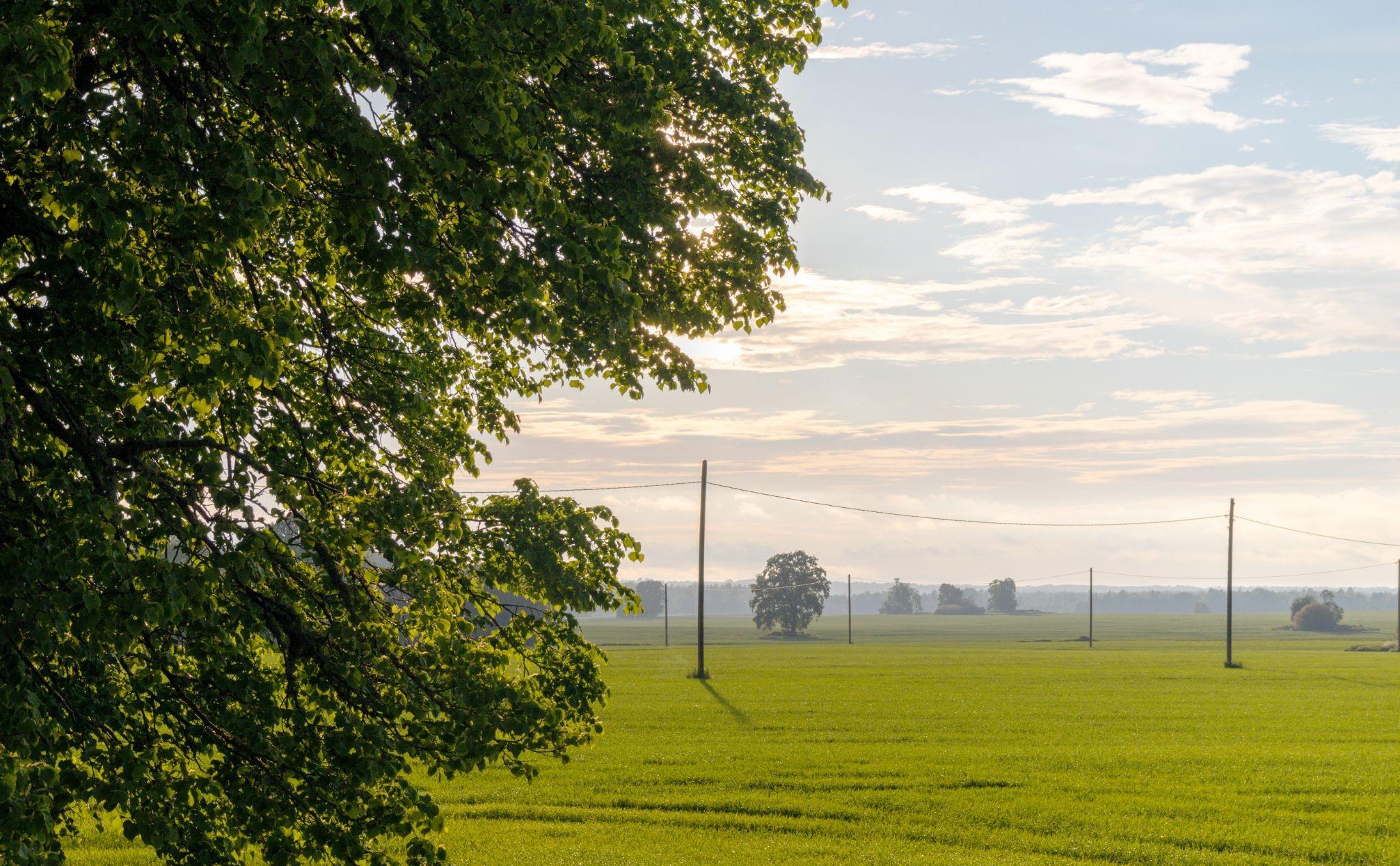
Green spaces act as our urban lungs, filtering harmful pollutants and improving air quality. They absorb toxins like nitrogen dioxide and sulfur dioxide while releasing oxygen, which we need to breathe. Trees with larger leaves do an even better job at trapping fine dust. Plus, these areas help cool our cities, making them more comfortable and reducing pollution from air conditioning. If we want a healthier environment, we can explore more about how to support these essential green areas.
Why Green Spaces Matter for Air Quality

As we navigate urban life, it’s essential to recognize how green spaces play an important role in enhancing air quality. These natural landscapes act as essential air filters, working alongside factories and vehicles to improve the environment.
Vegetation absorbs harmful pollutants like nitrogen dioxide and sulfur dioxide while releasing oxygen-crucial for our health. With increasing awareness of the Air Quality Index (AQI), we see the importance of green spaces more clearly. They capture fine dust and airborne particles, preventing them from entering our lungs.
Additionally, by providing shade and cooling, green spaces help reduce urban temperatures and ground-level ozone formation. Ultimately, they contribute considerably to healthier, more sustainable communities.
How Vegetation Absorbs Harmful Pollutants
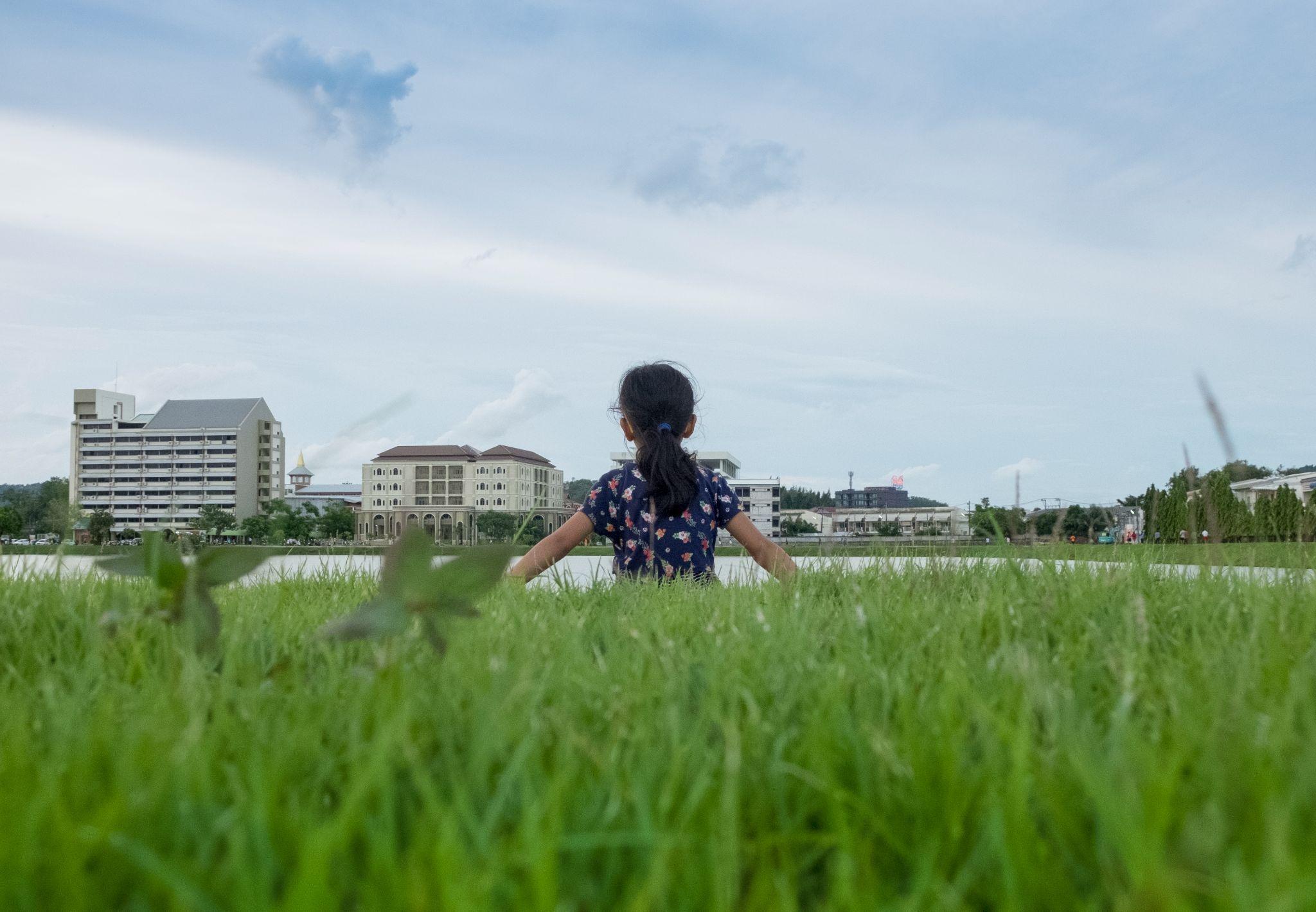
Green spaces not only enhance our surroundings but also play a crucial role in absorbing harmful pollutants. Trees, shrubs, and grasses act as natural air filters, capturing pollutants like nitrogen dioxide, sulfur dioxide, and carbon monoxide.
Through photosynthesis, they absorb carbon dioxide and release oxygen, promoting cleaner air. Larger-leafed trees are particularly effective, as their leaves filter and convert harmful substances into less toxic forms.
Additionally, vegetation traps fine particulate matter, preventing it from entering our lungs. Rain helps wash these trapped particles to the ground, where soil can absorb them.
How Green Spaces Help Keep Cities Cool

While many of us appreciate the beauty of parks and gardens, we might overlook their vital role in keeping our cities cool. Green spaces provide shade and promote evapotranspiration, which can greatly lower urban temperatures.
In fact, adding trees can reduce surrounding air temperatures by as much as 10°F. This cooling effect is essential, as it slows down the formation of ground-level ozone, a harmful pollutant that worsens air quality.
Additionally, cooler temperatures mean less reliance on air conditioning, leading to fewer emissions from power plants. By incorporating more greenery into our urban landscapes, we not only enhance our environment but also create more comfortable, livable cities for everyone.
Let’s embrace green spaces for a cooler tomorrow!
Health Benefits of Green Spaces and Clean Air

To experience the full benefits of cleaner air, we must recognize the significant role green spaces play in our health.
Cleaner air leads to fewer asthma attacks, allowing us to breathe easier and enjoy our daily lives. It also improves lung function and lowers the risk of cardiovascular diseases.
Furthermore, the mental health benefits are profound; cleaner air reduces stress and enhances our overall well-being. Children, seniors, and those with respiratory issues particularly thrive in these environments.
By providing spaces filled with greenery, we foster healthier communities. Our commitment to preserving and expanding green spaces directly contributes to a healthier future for everyone.
Let's embrace the connection between nature and our well-being.
How You Can Support Green Spaces?

Supporting green spaces is vital for our health and the environment. We can all contribute to their preservation and enhancement.
Let’s join local green initiatives by volunteering for tree planting or clean-up events. Advocating for policies that favor green space creation is important; our voices matter in local governance.
Educating friends and family about the benefits of these areas can inspire others to take action. We should also adopt sustainable practices like reducing waste and conserving water to lessen our carbon footprints.
Staying connected with organizations like REACH GREEN provides more opportunities to help. Together, by taking these small steps, we can guarantee vibrant green spaces thrive for future generations, improving air quality and community well-being.
Frequently Asked Questions
What Types of Plants Are Most Effective for Air Quality Improvement?
We find that trees like oaks and maples, along with shrubs and grasses, are most effective for improving air quality. Their ability to absorb pollutants and produce oxygen markedly enhances our environment and well-being.
How Do Green Spaces Impact Urban Wildlife?
Green spaces boost urban wildlife by providing essential habitats and food sources. They create safe corridors for animals to thrive, enhancing biodiversity and connecting ecosystems, which benefits both nature and our urban environment.
Can Green Roofs Contribute to Air Quality Benefits?
Green roofs enhance air quality by absorbing pollutants and providing insulation. They not only cool urban spaces but also support biodiversity, creating a healthier environment for us all. Let’s embrace their benefits together!
What Role Do Community Gardens Play in Air Quality?
Community gardens play an essential role in air quality by absorbing pollutants and producing oxygen. They enhance local biodiversity, promote sustainable practices, and foster community engagement, creating healthier environments for everyone involved and nearby.
How Can Individuals Measure Air Quality Improvement From Green Spaces?
We can measure air quality improvement from green spaces by using air quality monitors, tracking changes in pollutant levels over time, and observing health benefits in our community. Let's engage with local initiatives for accurate assessments!
Conclusion
To summarize, we can’t underestimate the crucial role green spaces play in enhancing our air quality and overall well-being. By absorbing harmful pollutants and cooling our urban environments, these natural havens become indispensable for healthier cities. Let’s commit to advocating for and protecting these green sanctuaries in our communities. Together, we can guarantee that future generations enjoy cleaner air and the numerous benefits that come from engaging with nature. Let’s breathe easier and thrive together!

 Arabic
 Français
 Español
 Português
 Deutsch
 Türkçe
 Dutch
Dutch
 Italiano
 Russian
 Romaian