


How Can Office Cleaning Reduce Germs In Shared Spaces?
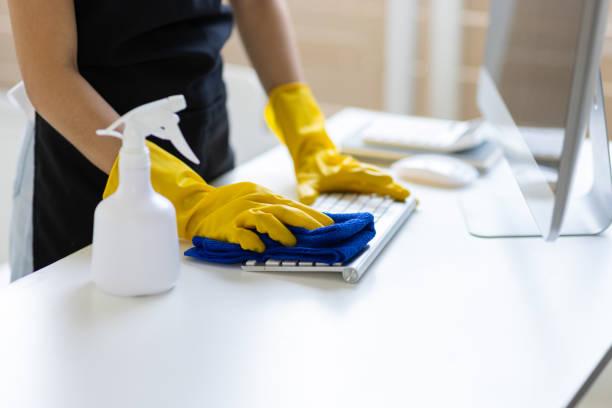
When people share an office, they also share surfaces. Hands touch doors, printers, faucets, and fridge handles all day. Germs can move fast in places like this. The good news is that small cleaning habits can make a big difference. With office cleaning in Quakertown, you can lower the germ load in shared spaces and help people feel safer at work. Also, cleaning is not only about looks. It helps protect health. It can cut down on sick days. It can also help visitors feel comfortable. Most of all, it helps your team focus, instead of worrying about what they touched.
Office Cleaning In Quakertown: Start With The High-Touch Map In Shared Areas
Germs spread most on items people touch often. So, the first step is simple: make a “high-touch map.” This keeps cleaning focused and consistent. It also helps you avoid missing the same spots again and again.
Here are common high-touch areas to list:
-
Door handles, push plates, and elevator buttons
-
Light switches and thermostat covers
-
Shared keyboards, mice, and phone handsets
-
Breakroom handles like the fridge, microwave, and coffee pot
-
Restroom locks, faucet handles, and paper towel levers
Next, set a routine around this map. Daily attention matters most for these points. Then, deeper cleaning can happen on a schedule that fits your space. This is also where office cleaning can help create a steady plan that people can trust.
Clean First, Then Disinfect For Better Results
Many people skip straight to disinfecting. However, that often fails. Disinfectants work best on clean surfaces. Dirt and residue can block the product from reaching germs.
So, follow a two-step order:
-
Clean: Remove dust, smudges, and grime with soap and water or a general cleaner.
-
Disinfect: Apply an EPA-registered disinfectant, and follow the label directions.
Also, pay attention to “dwell time.” That means the surface must stay wet long enough to work. If it dries too fast, it may not kill as many germs. For shared offices, this step matters most in restrooms and breakrooms. And if your team searches for office cleaning in Quakertown PA, check that they clean surfaces before they disinfect them.
Use The Right Tools, Or Germs Move Around
A dirty cloth can spread germs from one desk to ten more. So, tools and methods matter as much as effort. Think of cleaning like this: you want to remove germs, not smear them.
“If you reuse the same wipe everywhere, you are not cleaning. You are spreading.”
To avoid that, use simple rules:
-
Use fresh microfiber cloths, and change them often.
-
Use color-coding, like one set for restrooms and one for desks.
-
Replace mop water before it looks dirty.
-
Clean from “cleaner zones” to “dirtier zones,” not the other way around.
Also, store tools the right way, because managers overseeing office cleaning in Quakertown can prevent bacteria growth by requiring fully dry tools. Damp tools can grow bacteria over time, so dry storage supports cleaner results.
Focus On Shared Desks, Meeting Rooms, And Tech Stations
Shared work areas raise risk because many hands touch the same items. Printers, staplers, and conference remotes pass from person to person. So, when you plan office cleaning in Quakertown, target these zones with a clear checklist. Before you use bullet points, keep one thing in mind: consistency beats “once in a while.” A simple routine done daily often works better than a rare deep clean.
Here is a practical daily checklist:
-
Wipe table edges, chair arms, and door handles in meeting rooms
-
Disinfect printer buttons, touch screens, and shared keyboards
-
Clean phone handsets and desk surfaces in hot-desk areas
-
Empty trash and replace liners to reduce odor and germs
This is also a smart place to add signs. For example, a short note can remind people to wipe shared items after use. That small nudge supports the cleaning plan, day after day.
Breakrooms Need Special Care Because Germs Love Food Areas
Breakrooms mix food, spills, and high traffic. So, they can become a germ hotspot fast. The fridge handle alone can get touched dozens of times daily. Also, crumbs and sticky spots attract pests, which adds another health concern.
To keep this area safer, focus on three mini-zones:
Countertops And Tables
Clean and disinfect after busy times, like lunch hours.
Appliances And Handles
Wipe the microwave button, fridge handle, and coffee controls daily.
Sinks And Sponges
Replace sponges often. Dirty sponges can hold many germs.
Also, set clear habits for employees when office cleaning services in Quakertown PA are scheduled, like labeling food, tossing old items weekly, and wiping spills right away. These habits support cleaning, and they also help prevent odors. A cleaner breakroom often means fewer complaints and a calmer day.
Restrooms Need A Routine That Targets The Right Surfaces
Restrooms are a shared space where germs spread easily. So, they need both careful cleaning and careful disinfecting. The goal is to reduce contact risk and keep the area pleasant. Before the bullet points, remember this: restrooms feel “dirty” to people when small details get missed. A clean smell does not replace clean surfaces.
Key restroom focus points:
-
Disinfect flush levers, stall locks, and grab bars
-
Clean and disinfect faucets, sink rims, and soap dispensers
-
Restock soap and paper products, because handwashing depends on them
-
Empty trash and clean the area around the bins
Also, check the floors around toilets and sinks. Splashes can happen. When those areas stay clean, the whole restroom feels safer. This is another area where office cleaning services in Quakertown PA often build trust, because people notice restroom care quickly.
Use A Simple Schedule So Nothing Gets Missed
A good plan tells you what happens daily, weekly, and monthly. This keeps cleaning steadily. It also makes it easier to track what changed when sickness spreads.
“A schedule turns good intentions into a routine people can rely on.”
Here is a simple example schedule table you can adapt:
|
Area / Surface |
Why It Matters |
Suggested Timing |
|---|---|---|
|
Door handles, switches |
High-touch, fast spread |
Daily |
|
Shared desks, meeting tables |
Many hands, long contact |
Daily |
|
Breakroom appliances |
Food area, sticky residue |
Daily |
|
Floors and baseboards |
Dust and tracked-in dirt |
Weekly |
|
Vents and high ledges |
Dust buildup over time |
Monthly |
Also, write down what products you use and where. That helps avoid mix-ups. It also keeps the process safer and more consistent for everyone.
So What Happens Next When You Want Fewer Germs At Work?
You do not need a perfect office to lower germ spread. You need a steady plan that targets shared touch points. Start with the high-touch map. Then clean first and disinfect second. After that, use the right tools so germs do not travel. Keep breakrooms and restrooms on a tight routine, and use a schedule so nothing falls through.
If you want a clear, consistent approach tailored to your space, Rophe Cleaning Services LLC can help set routines that support healthier shared areas and better daily comfort for your team.

 English
 Arabic
 Français
 Español
 Português
 Deutsch
 Dutch
Dutch
 Italiano
 Russian
 Romaian