


Asset Tokenization Explained: The True Cost Behind RWA Conversion
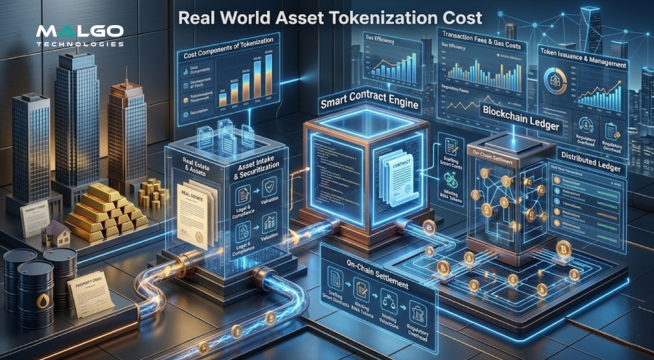
Asset tokenization means turning the ownership rights of a physical asset into digital tokens on a blockchain ledger. This process changes physical wealth, such as commercial property, rare art, or gold, into pieces of code that users can buy, trade, and store. It functions like digital stock certificates but runs on a decentralized network to make trading simple, fast, and secure.
Many institutions want to move tangible wealth onto secure blockchains, but they must plan their project budgets carefully. Every project depends on a clear grasp of the Real World Asset Tokenization Cost to remain viable. Setting up the systems involves engineering smart contracts, verifying assets, and integrating proper safety tools.
What is Asset Tokenization and How Does It Work?
Tokenization acts as a bridge between tangible finance and distributed ledger software systems. The process begins when an owner selects a physical item, like a shipping vessel or a real estate complex, and registers its legal worth. A technical setup then creates digital units that represent legal shares of that specific property.
Once the blockchain mints these tokens, they can change hands without traditional paperwork delays. Every single transaction gets saved on a public or private database, showing a clear history of who owns what share. This approach removes regular manual mistakes and stops people from changing ownership records secretly.
Need assistance building a secure token deployment? Connect with Malgo to plan your development.
Why Modern Enterprises Choose to Move Assets Onto the Blockchain
Traditional markets struggle with slow processing speeds because they rely on manual approvals, physical documents, and multi-day settlement times. Moving assets onto a blockchain network updates this setup by allowing instant settlements at any time of day. This shift cuts down operational delays and lowers administrative friction for asset issuers.
Enterprises also choose token networks to find new groups of global investors who want fractional holdings. High-value property often remains locked away from smaller funds due to high entry barriers. Tokenizing assets opens up alternative funding paths and allows teams to distribute ownership to a larger pool of participants.
Features of a Secure RWA Tokenization Platform Development
Building a robust network architecture requires custom compliance rules written directly into the base program. The software requires advanced security checks to confirm the identities of buyers and sellers before approving any transfers. These rules run automatically to keep the entire setup within regional regulatory boundaries.
An enterprise-ready asset system also needs stable connections to standard bank networks and digital wallet setups. Users require simple interfaces to view their fractions, check current values, and receive automated revenue distributions. These platforms need clear security protocols to guard investor funds against unauthorized web access.
Benefits of Utilizing Distributed Ledgers for Physical Assets
Using a distributed network ensures that ownership data remains safe, public, and impossible to alter after confirmation. This clear transparency prevents legal arguments over who owns an asset, giving institutional buyers peace of mind. Every change in shareholding is tracked, making audits quick and straightforward for compliance teams.
-
Fractional access: Enables smaller investment sizes for major infrastructure projects.
-
Constant trading: Eliminates dependency on traditional market closing hours.
-
Automated operations: Distributes asset yields to thousands of web wallets simultaneously.
-
Direct control: Removes extra management layers to protect asset profit margins.
Factors That Influence Real World Asset Tokenization Cost
The complete financial layout for an enterprise token project involves both software creation and legal structuring. Law firms must build legal frameworks to connect physical properties to their digital tokens securely. These legal setups ensure that token holders have valid claims if a dispute occurs.
The technological choices, such as using a public blockchain or a private enterprise network, also change the budget plan. Teams must factor in third-party security audits to inspect smart contract scripts for hidden software flaws. Continuous network maintenance, node hosting, and dashboard upgrades affect the total operational plan over time.
Looking for enterprise-grade blockchain infrastructure? Speak with a Malgo technician today.
Technical Architecture in RWA Tokenization Platform Development
The core development phase involves coding the rules that control how a digital asset behaves throughout its lifecycle. Engineers create functions for issuing new tokens, managing fractional transfers, and burning units when an asset sells. This development step establishes the technical foundation for the entire ecosystem.
Developers build specialized monitoring tools to connect blockchain transactions with actual physical storage facilities. This connection keeps the digital records accurate when real-world conditions change. Building a clean architecture protects the system from technical delays during high transaction periods.
Why Choose Malgo for RWA Tokenization Platform Development Services
Malgo provides expert technical software engineering to build safe, scalable token platforms for complex industries. The development teams focus on writing clean, secure code that meets global financial software requirements. Malgo stresses stable system design, solid data protection, and flawless API connections to keep corporate networks online.
The engineering approach at Malgo focuses on creating flexible code bases that can grow as transaction volumes increase. By using modular architecture patterns, the systems allow businesses to add new types of assets without rebuilding the platform. Malgo provides technical clarity and reliable infrastructure engineering to help enterprises deploy tokenization projects safely.
Summary of Managing Assets on Digital Networks
Launching a token platform requires balancing deep blockchain engineering with proper legal planning. Businesses need to prepare for development phases, code security checks, and platform maintenance to ensure long-term stability. Managing these technical pieces carefully protects the project from system failures or unexpected deployment stops.
Partnering with an engineering team streamlines the technical creation of distributed ledger systems. Clean, verified code keeps maintenance straightforward and protects smart contracts from external web risks. Selecting the right framework allows entities to handle physical holdings efficiently on modern networks.
Ready to draft your technical platform specifications? Contact Malgo to begin.

 English
 Arabic
 Français
 Português
 Deutsch
 Türkçe
 Dutch
Dutch
 Italiano
 Russian
 Romaian