


Apartment Lights
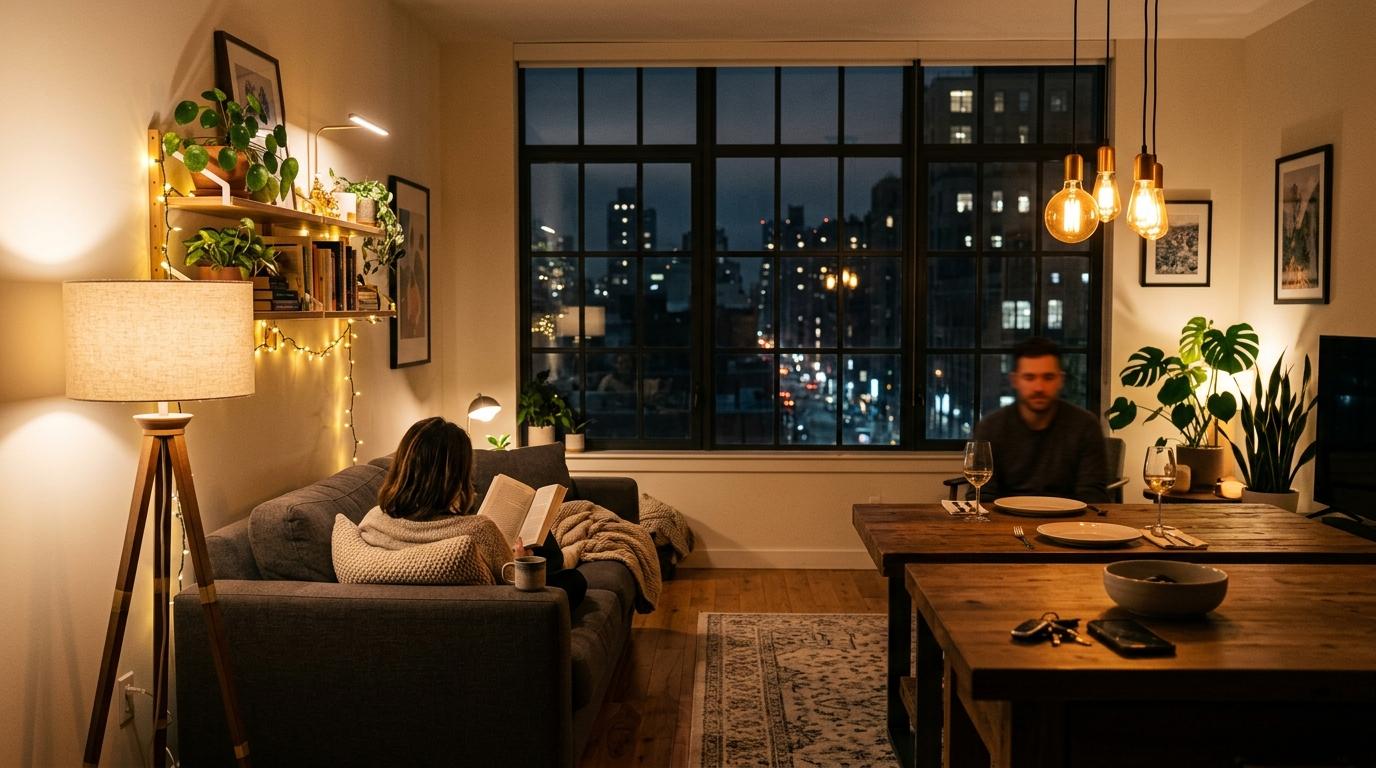
The difference between a house and a home often comes down to how it feels the moment you walk through the door. Lighting is one of the first things your senses register, and apartment lights that are thoughtfully chosen set the tone for everything else in the space. From the warmth of a living room glow to the crisp clarity of a kitchen workspace, every fixture you select shapes the overall experience of your home. YourHomeGlam has created this guide to help you build a lighting plan that is both beautiful and practical from the ground up.
Why Lighting Deserves More Attention Than It Gets
Interior design conversations tend to focus on furniture, color, and texture but lighting quietly controls all three. The same sofa looks entirely different under warm yellow light versus cool white light. The same wall color shifts depending on whether natural or artificial light hits it. When illumination is chosen without a clear plan, spaces feel off without any obvious reason why. When lighting is done right, it becomes invisible the room simply feels good, and everything in it looks exactly as it should.
The Three Lighting Layers Every Home Needs
A successful lighting plan always begins with understanding three fundamental layers and how they interact.
Ambient Lighting
Ambient light is the backbone of the entire setup. It provides general brightness that makes a room functional and safe to move through. Ceiling fixtures, surface-mounted panels, and recessed lights are all reliable sources of ambient illumination. This layer does not need to be dramatic it simply needs to be consistent, even, and sufficient for everyday use.
Task Lighting
Task lighting exists to make specific activities easier and more precise. Whether it is chopping vegetables in the kitchen, applying makeup at a bathroom mirror, or reading late into the night, task lighting delivers focused illumination exactly where it is needed. Without this layer, even the most beautifully designed room becomes frustrating to actually live in.
Accent Lighting
Accent lighting is the layer that transforms a functional room into a designed one. It frames artwork, highlights textures, draws attention to architectural details, and adds a sense of depth that no other layer can provide. Strip lights behind shelving, directional spotlights above a fireplace, and picture lights above framed prints all fall into this category. This is where a room starts to feel curated rather than simply furnished.
A Room-by-Room apartment Lights Breakdown
Living Room
No other room benefits from layered illumination quite like the living room. It needs to function as a relaxation zone, a social gathering spot, and sometimes a home office all at once. A central ceiling fixture handles general brightness, while floor lamps positioned near seating areas introduce warmth and softness. Table lamps on side tables and wall-mounted sconces behind the sofa complete the picture. The result is a room that feels genuinely lived-in and comfortable regardless of the time of day.
Bedroom
The bedroom is a sanctuary, and its lighting should reflect that. Bright overhead fixtures have no place here instead, the focus should be on warm, dimmable options that ease the transition from wakefulness to rest. Pendant lights hanging on either side of the bed are both elegant and functional, freeing up nightstand space while providing directed light for reading. Soft LED strips along the base of a platform bed or behind a headboard add a subtle, calming glow that makes the room feel like a genuine retreat.
Kitchen
Functionality drives every kitchen lighting decision. The space demands bright, shadow-free illumination that supports safe and efficient food preparation. Recessed ceiling lights provide full overhead coverage, while under-cabinet strips eliminate the dark zones that standard overhead fixtures often miss. Pendant lights above a breakfast bar or island introduce a design element that elevates the kitchen beyond pure utility. A well-lit kitchen simply performs better and looks more polished every single day.
Bathroom
Bathroom lighting must balance practicality with comfort. Side-mounted vanity lights flanking the mirror are far more effective than a single overhead source, eliminating the shadows that make grooming difficult. A ceiling fixture ensures the rest of the room is adequately illuminated, and waterproof recessed lights inside a shower enclosure add both safety and a luxurious quality. Every fixture in this space must carry the appropriate moisture resistance rating to ensure lasting performance.
Smart Controls and Modern Apartment Lights
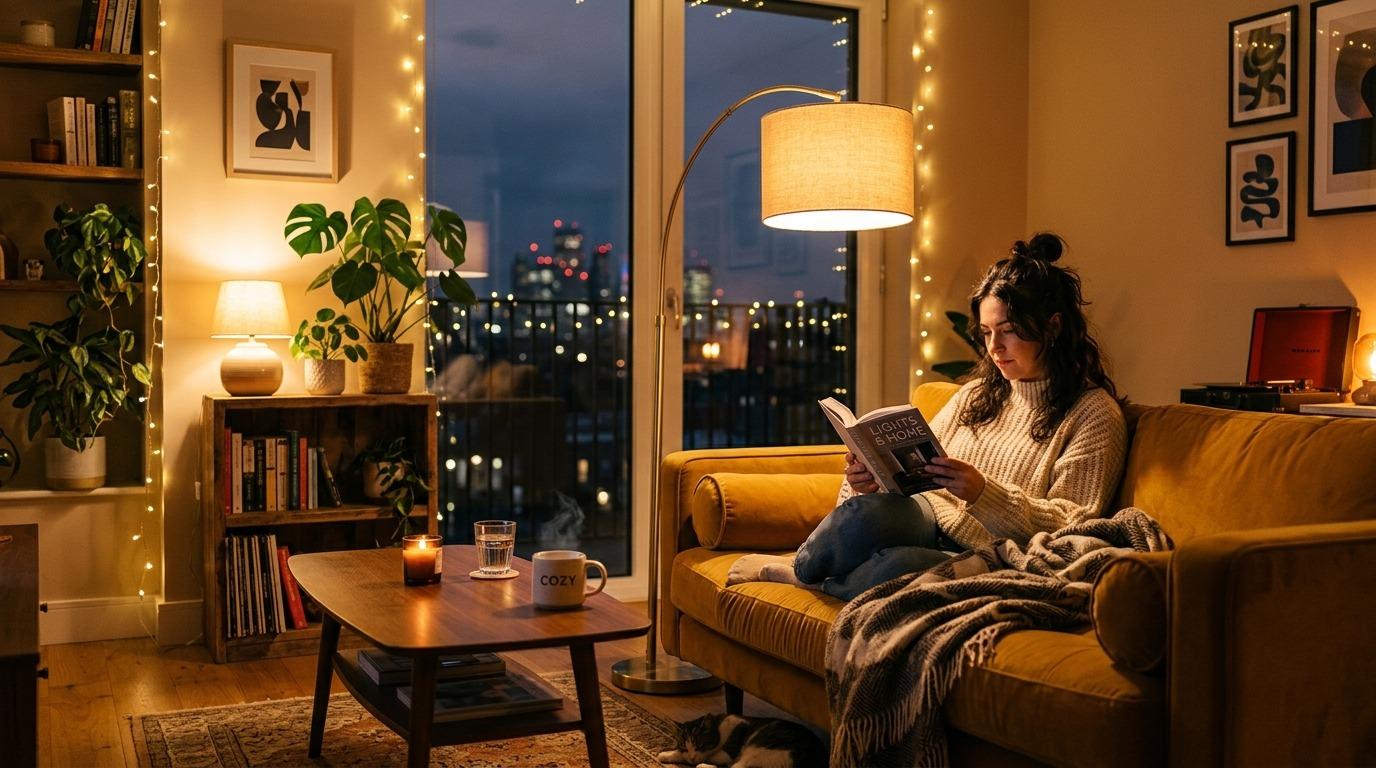
Technology has redefined what it means to be in control of your home environment. Today's apartment lights can be programmed, dimmed, color-shifted, and scheduled entirely from a smartphone or through a voice-activated assistant. Waking up to lights that gradually brighten, coming home to a pre-lit living room, and having every fixture switch off at bedtime automatically these are no longer luxuries. They are practical tools that improve daily life and reduce energy waste simultaneously.
Energy Efficiency as a Lighting Standard
Sustainable choices have become the norm rather than the exception. LED technology delivers exceptional brightness at a fraction of the energy consumption of older bulb types, with a lifespan that makes frequent replacements a thing of the past. Pairing LEDs with smart dimmers and occupancy sensors creates a system that is both economical and environmentally responsible. Over the course of a year, the savings in electricity costs alone make the initial investment well worth it.
Decorative Fixtures That Do Double Duty
Some fixtures earn their place in a room not just by providing light but by becoming a focal point in their own right. An oversized rattan pendant in a dining area, a cluster of globe lights above a kitchen island, or a sleek arc floor lamp beside an armchair these are pieces that contribute to the visual identity of a space just as much as any piece of furniture. Choosing apartment lights with a decorative edge gives you the freedom to express your personal aesthetic while serving a genuine functional purpose at the same time.
Key Considerations Before Making Any Purchase
Before selecting any fixture, keep these principles in mind:
Map out natural light sources in each room before adding artificial ones
Plan for a minimum of two lighting layers in every space regardless of room size
Always verify that fixture dimensions are proportionate to the room and ceiling height
Select a consistent metal finish across all fixtures in connected spaces for visual cohesion
Install dimmer switches as a default rather than a premium add-on
Choose bulb color temperatures intentionally warm tones for rest spaces, cooler tones for work areas
The Mistakes That Set Spaces Back in apartment lights
Over-reliance on a single ceiling fixture is by far the most damaging mistake a homeowner can make. It flattens the room, creates unpleasant shadows, and makes even beautiful furniture look unremarkable. Choosing fixtures purely for their appearance without considering light output is another common error a stunning pendant that casts barely any light is a decorative object, not a lighting solution. Mismatched color temperatures across a single room create a visual inconsistency that is difficult to identify but impossible to ignore.
Final Words for apartment lights
Every room you inhabit deserves illumination that was chosen with the same care as everything else in it. Well-planned apartment lights, layered thoughtfully and matched to the way you actually live, create spaces that feel complete in a way that is hard to articulate but immediately felt. YourHomeGlam is committed to helping you see lighting not as a technical checkbox but as one of the most transformative decisions in the entire design process. Get the light right, and everything else falls into place.
Frequently Asked Questions
1. What is the best way to light an open-plan apartment?
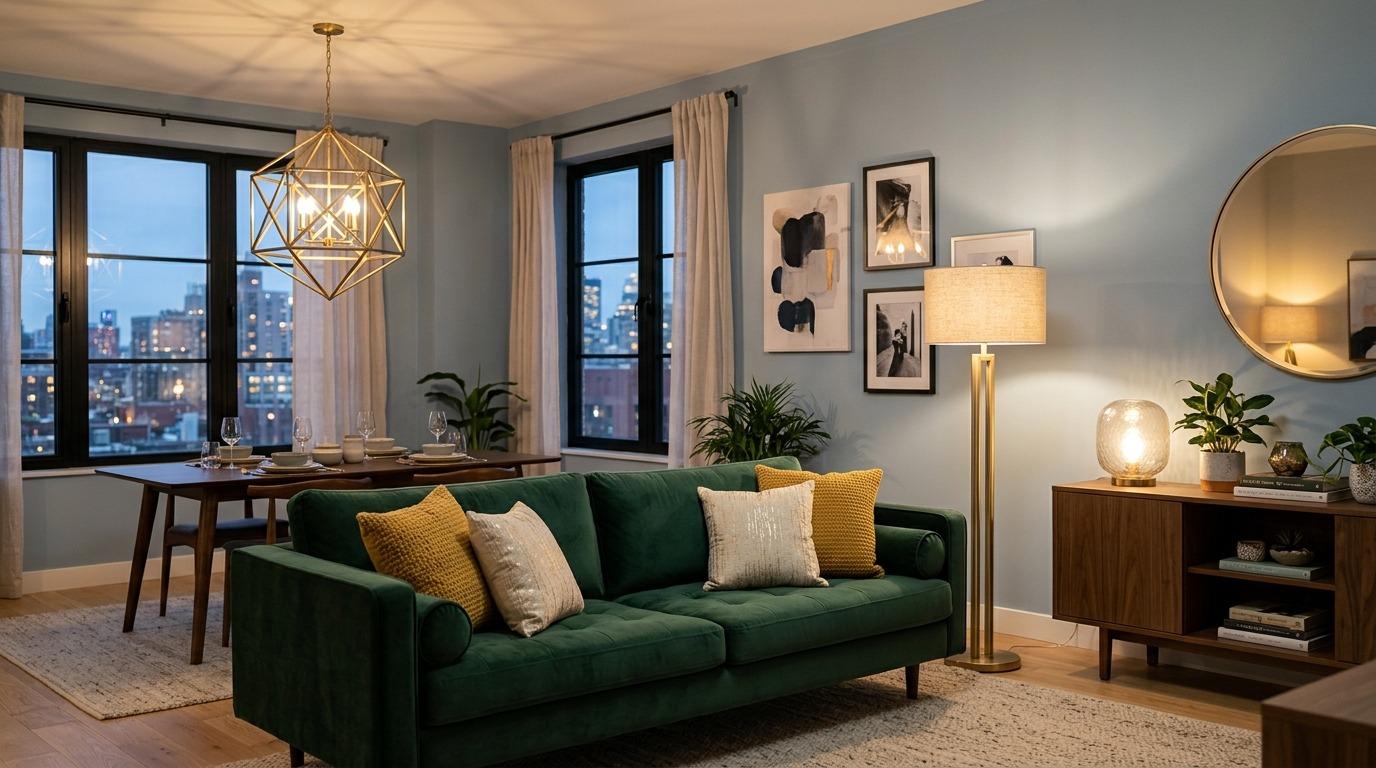
Open-plan spaces benefit from defined lighting zones that give each area its own identity. Use pendant lights to anchor a dining space, floor lamps to define a seating area, and under-cabinet strips to separate the kitchen zone. This approach creates visual structure without the need for physical dividers.
2. How does lighting influence the perception of room size?
Fixtures placed at varying heights make a room feel taller and more expansive. Wall sconces and floor lamps draw the eye outward and upward, while recessed ceiling lights keep the overhead space clean and uncluttered. Strategic placement can make even a compact room feel significantly more generous.
3. Are pendant lights suitable for low-ceiling rooms?
Pendants can work in low-ceiling rooms if chosen carefully. Flush or semi-flush pendant styles that sit closer to the ceiling maintain the visual appeal of a hanging fixture without reducing headroom. Always check the minimum hanging height before purchasing.
4. How often should fixtures be cleaned and maintained?
Dust and grime accumulate over time and noticeably reduce light output. A gentle wipe-down every four to six weeks keeps fixtures performing at their best. Bulbs should be checked periodically and replaced promptly when they begin to dim or flicker.
5. What is the easiest way to refresh a room through lighting alone?
Swapping out a dated ceiling fixture for a statement pendant, or replacing standard bulbs with warm-toned LEDs, can dramatically shift the feel of a room without any renovation. Choosing the right apartment lights remains one of the fastest and most cost-effective ways to give an interior a completely new character.

 Arabic
 Français
 Español
 Português
 Deutsch
 Türkçe
 Dutch
Dutch
 Italiano
 Russian
 Romaian