


How Much Do Logistics Software Development Services Cost?
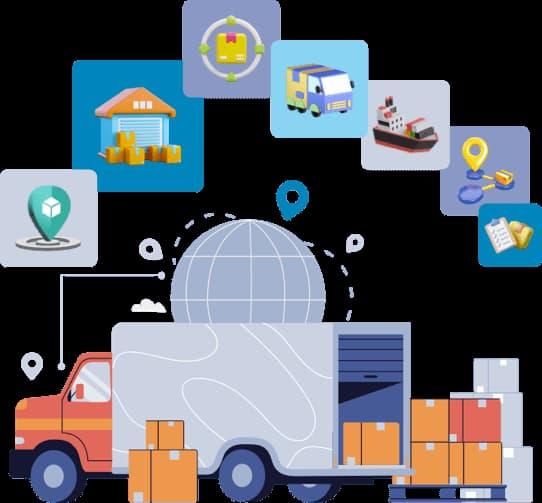
The logistics industry is undergoing rapid digital transformation. From fleet management and route optimization to warehouse automation and real-time shipment tracking, businesses are increasingly investing in custom logistics software to improve efficiency and stay competitive. However, one of the most common questions companies ask before starting a project is: How much do logistics software development services cost?
The answer depends on several factors, including the complexity of the solution, required features, technology stack, development team location, and integration requirements. This article explores the key cost drivers and provides realistic pricing estimates for logistics software development projects.
Understanding Logistics Software Development
Logistics software encompasses a wide range of digital solutions designed to streamline transportation, warehousing, inventory management, and supply chain operations. Common examples include:
- Transportation Management Systems (TMS)
- Warehouse Management Systems (WMS)
- Fleet Management Software
- Freight Forwarding Platforms
- Shipment Tracking Applications
- Route Optimization Solutions
- Supply Chain Management Platforms
The development cost varies significantly based on the type and scale of the software being built.
Key Factors That Influence Development Costs
1. Project Complexity
The complexity of your logistics software is one of the biggest cost determinants.
Basic Solutions
- Shipment tracking
- Order management
- User dashboards
- Reporting tools
Estimated Cost: $15,000 – $40,000
Mid-Level Solutions
- Route optimization
- Fleet management
- Mobile applications
- Third-party integrations
Estimated Cost: $40,000 – $120,000
Enterprise-Grade Platforms
- AI-powered analytics
- Real-time GPS tracking
- Multi-location warehouse management
- Predictive demand forecasting
- IoT integrations
Estimated Cost: $120,000 – $500,000+
2. Features and Functionality
The number and sophistication of features directly impact development effort and budget.
Common logistics software features include:
| Feature | Estimated Cost Impact |
|---|---|
| User Authentication | $1,000 – $3,000 |
| Real-Time Tracking | $5,000 – $20,000 |
| Route Optimization | $10,000 – $40,000 |
| Inventory Management | $5,000 – $25,000 |
| Analytics Dashboard | $5,000 – $15,000 |
| Mobile App Development | $15,000 – $50,000 |
| AI & Predictive Analytics | $20,000 – $100,000+ |
3. Platform Requirements
The platforms you choose will significantly affect costs.
- Web Application Only: Lower development cost
- Mobile Application (iOS or Android): Additional investment
- Cross-Platform Mobile App: Moderate cost increase
- Web + Mobile Ecosystem: Highest investment
Developing for multiple platforms often increases the overall project cost by 30–60%.
4. Third-Party Integrations
Modern logistics software frequently integrates with:
- GPS tracking systems
- ERP platforms
- Accounting software
- Payment gateways
- CRM systems
- E-commerce platforms
Each integration may add anywhere from $2,000 to $20,000 depending on complexity.
5. UI/UX Design
User-friendly interfaces are essential for dispatchers, drivers, warehouse staff, and managers.
Design costs typically range from:
- Basic UI Design: $3,000 – $8,000
- Advanced UX Research & Design: $10,000 – $30,000+
Investing in usability often reduces operational errors and training costs.
6. Development Team Location
Developer rates vary considerably by region.
| Region | Hourly Rate |
| North America | $100 – $250 |
| Western Europe | $80 – $200 |
| Eastern Europe | $40 – $100 |
| Asia | $25 – $80 |
Many companies choose offshore or nearshore development partners to balance quality and affordability.
Typical Logistics Software Development Cost Breakdown
For a custom logistics platform, the budget may be distributed as follows:
| Development Phase | Percentage of Budget |
| Business Analysis | 5–10% |
| UI/UX Design | 10–15% |
| Frontend Development | 20–30% |
| Backend Development | 25–35% |
| Integrations | 10–20% |
| Testing & QA | 10–15% |
| Deployment & Support | 5–10% |
Hidden Costs to Consider
Many businesses focus only on initial development costs and overlook ongoing expenses such as:
Maintenance and Updates
Annual maintenance generally costs 15–25% of the original development budget.
Cloud Infrastructure
Hosting, databases, storage, and monitoring services can range from $200 to several thousand dollars per month.
Security and Compliance
If handling sensitive shipment, customer, or financial data, additional investments may be required for:
- Data encryption
- Compliance requirements
- Security audits
- Penetration testing
Scaling Costs
As your logistics operations grow, infrastructure and software optimization costs may increase.
How to Reduce Development Costs
Businesses can optimize their software budget by:
- Starting with a Minimum Viable Product (MVP)
- Prioritizing essential features
- Using cross-platform development frameworks
- Leveraging cloud-based infrastructure
- Choosing experienced logistics software developers
- Planning integrations early in the project lifecycle
An MVP approach often reduces initial investment by 30–50% while validating market needs.
Final Thoughts
The cost of logistics software development services can range from $15,000 for basic applications to more than $500,000 for enterprise-grade logistics ecosystems. The final budget depends on project complexity, required features, integrations, scalability requirements, and the expertise of the development team.
Before beginning development, businesses should clearly define their goals, prioritize features, and work with experienced logistics software development partners to create a realistic roadmap and budget. A well-planned investment in logistics technology can deliver significant long-term benefits through improved operational efficiency, reduced costs, enhanced visibility, and better customer experiences.
 Deutsch
 English
 Arabic
 Français
 Español
 Português
 Türkçe
 Dutch
Dutch
 Italiano
 Russian
 Romaian