


CNG Kit Parts: Complete Guide to Components, Functions, and Maintenance
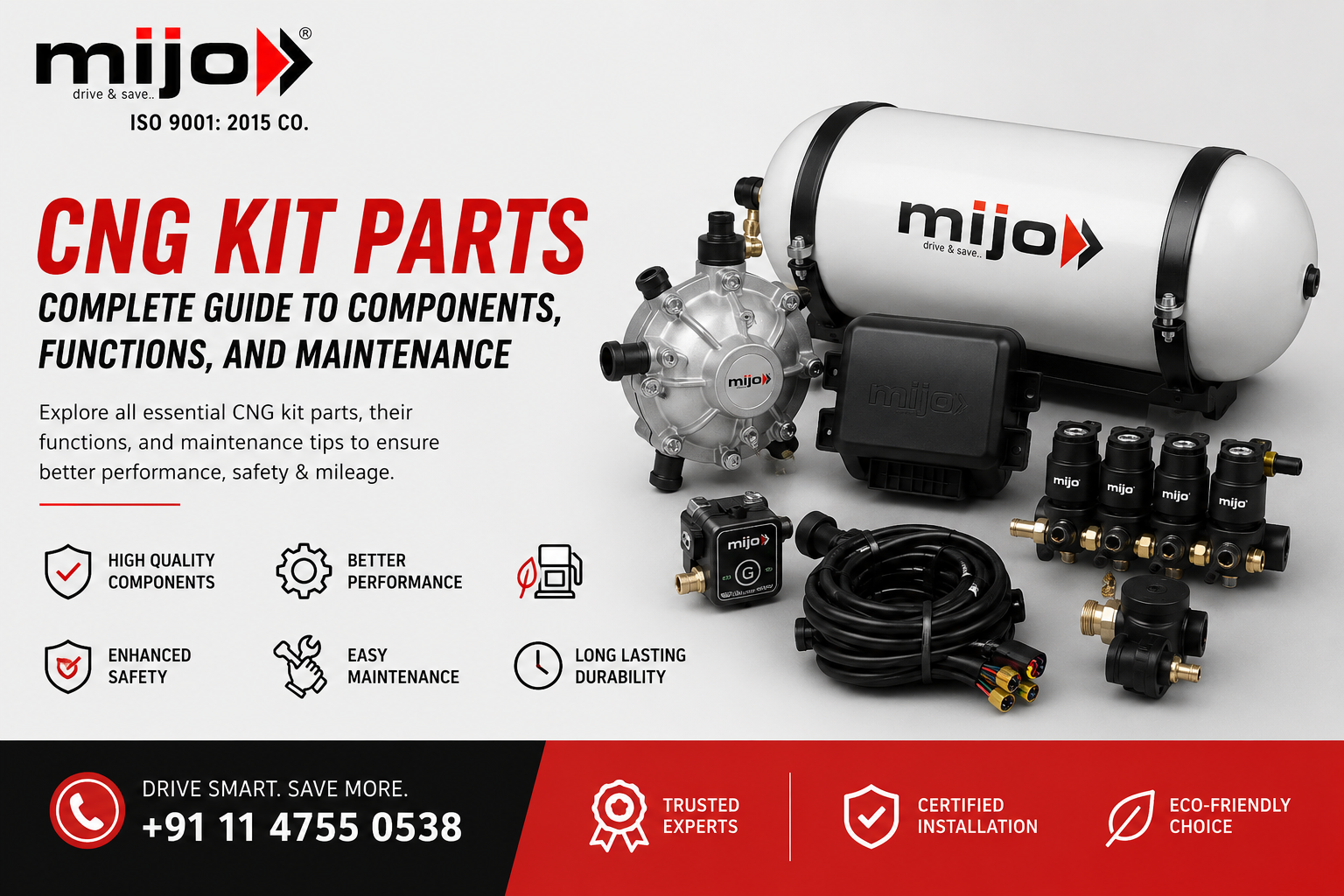
As fuel prices continue to rise, more vehicle owners are choosing CNG as an economical and environmentally friendly alternative to petrol and diesel. However, the performance and safety of a CNG-powered vehicle depend largely on the quality and condition of its CNG kit parts.
Whether you already have a CNG-equipped vehicle or are planning to install a CNG kit for car, understanding the various components of a CNG system can help you make informed decisions about maintenance, repairs, and upgrades.
In this guide, we'll explain the major CNG kit components, their functions, and how to keep them in excellent condition for long-term performance.
What Are CNG Kit Parts?
CNG kit parts are the individual components that work together to store, regulate, and deliver compressed natural gas to your vehicle's engine. Each part plays a specific role in ensuring efficient fuel delivery, vehicle safety, and smooth engine performance.
A well-maintained CNG system can provide excellent mileage, reduced fuel costs, and lower emissions compared to conventional fuel systems.
Main Components of a CNG Kit
Let's take a closer look at the essential parts of a CNG kit.
1. CNG Cylinder
The CNG cylinder is the storage unit where compressed natural gas is kept under high pressure.
Functions:
-
Stores CNG safely.
-
Supplies fuel to the engine.
-
Designed to withstand high-pressure conditions.
Regular inspection of the cylinder is important to ensure safety and compliance with regulations.
2. Cylinder Valve
The cylinder valve controls the flow of gas from the cylinder to the rest of the system.
Functions:
-
Regulates gas flow.
-
Prevents gas leakage.
-
Includes safety mechanisms for emergency situations.
A properly functioning valve is crucial for the safe operation of any automotive CNG kit.
3. High-Pressure Pipe
This pipe transfers CNG from the cylinder to the regulator.
Functions:
-
Carries gas safely under pressure.
-
Prevents fuel loss.
-
Ensures uninterrupted fuel supply.
The pipe should be checked periodically for wear, corrosion, or damage.
4. Pressure Regulator
The regulator reduces the high pressure of stored gas to a usable level before it reaches the engine.
Functions:
-
Controls gas pressure.
-
Maintains smooth fuel flow.
-
Protects engine components.
A faulty regulator can affect mileage and engine performance.
5. CNG Filter
The filter removes impurities and contaminants from the gas before it enters the engine.
Functions:
-
Protects injectors.
-
Improves combustion efficiency.
-
Enhances engine life.
Replacing filters at recommended intervals helps maintain optimal performance.
6. CNG Injectors
Injectors deliver the exact amount of CNG required by the engine.
Functions:
-
Precise fuel delivery.
-
Better fuel efficiency.
-
Improved engine response.
Modern sequential CNG kit systems use advanced injectors to provide smooth and accurate fuel injection.
7. ECU (Electronic Control Unit)
The ECU is the brain of the CNG system.
Functions:
-
Monitors engine parameters.
-
Controls fuel injection timing.
-
Optimizes fuel consumption.
The ECU helps ensure efficient operation and improved mileage.
8. Fuel Selector Switch
The selector switch allows drivers to switch between petrol and CNG modes.
Functions:
-
Fuel selection.
-
Fuel level indication.
-
System monitoring.
This component offers flexibility and convenience for drivers.
How Do CNG Kit Parts Work Together?
When the vehicle is running on CNG:
-
Gas is stored in the cylinder.
-
The cylinder valve releases gas.
-
High-pressure pipes transport the gas.
-
The regulator lowers the pressure.
-
The filter removes impurities.
-
Injectors deliver fuel to the engine.
-
The ECU manages fuel delivery for efficient combustion.
This coordinated process ensures smooth vehicle operation and maximum fuel efficiency.
Signs Your CNG Kit Parts Need Replacement
Like any automotive system, CNG components wear out over time.
Watch for these warning signs:
Reduced Mileage
A sudden drop in mileage may indicate clogged filters, injector issues, or regulator problems.
Engine Misfiring
Uneven fuel delivery can cause rough engine performance.
Difficulty Starting the Vehicle
Starting problems may result from fuel delivery issues within the CNG system.
Gas Leakage Smell
Any smell of gas should be addressed immediately by a qualified technician.
Warning Lights
Modern vehicles may display engine warning lights when CNG system issues are detected.
Maintenance Tips for CNG Kit Parts
Proper maintenance is essential for safety and performance.
Regular Servicing
Schedule periodic inspections to identify potential issues before they become major problems.
Replace Filters on Time
Clean fuel flow improves mileage and protects engine components.
Inspect the Cylinder
Ensure the cylinder undergoes regular testing and certification as required.
Check for Leaks
Leak inspections should be part of routine maintenance.
Use Genuine Components
Always use genuine replacement parts for better reliability and safety.
Why Quality CNG Kit Parts Matter
Using high-quality components can significantly impact your vehicle's performance.
Benefits include:
-
Better mileage
-
Improved engine efficiency
-
Enhanced safety
-
Lower maintenance costs
-
Longer system lifespan
Many experts recommend investing in quality components rather than choosing low-cost alternatives that may compromise performance.
Choosing the Right CNG Kit for Your Vehicle
If you're considering installing a BS6 approved CNG kit, make sure the system is compatible with your vehicle's engine and emission standards.
A professionally installed and well-maintained BS6-compatible system can provide:
-
Better fuel economy
-
Lower emissions
-
Smooth performance
-
Long-term reliability
Consult experienced CNG specialists before making a decision.
Frequently Asked Questions
Are CNG kit parts expensive to maintain?
No. Most components require only periodic inspection and replacement, making maintenance relatively affordable.
How often should CNG filters be replaced?
Filter replacement intervals vary by manufacturer, but regular servicing is recommended to maintain performance.
Can I replace CNG parts myself?
For safety reasons, CNG components should always be serviced or replaced by trained professionals.
Do genuine parts improve mileage?
Yes. Genuine parts ensure proper fuel delivery and efficient engine operation, which can improve mileage.
Conclusion
Understanding your CNG kit parts is essential for maintaining vehicle safety, performance, and fuel efficiency. From the cylinder and regulator to injectors and ECU, every component plays a vital role in the smooth operation of your CNG system.
Whether you already use a CNG kit for car or are planning to upgrade to a modern sequential CNG kit, regular maintenance and high-quality components will help you enjoy better mileage, reduced fuel costs, and a safer driving experience for years to come.

 English
 Arabic
 Français
 Español
 Português
 Deutsch
 Türkçe
 Italiano
 Russian
 Romaian