


Diamond Cut Alloy Wheel Repair: A Complete Guide to Restoring Premium Wheel Finishes
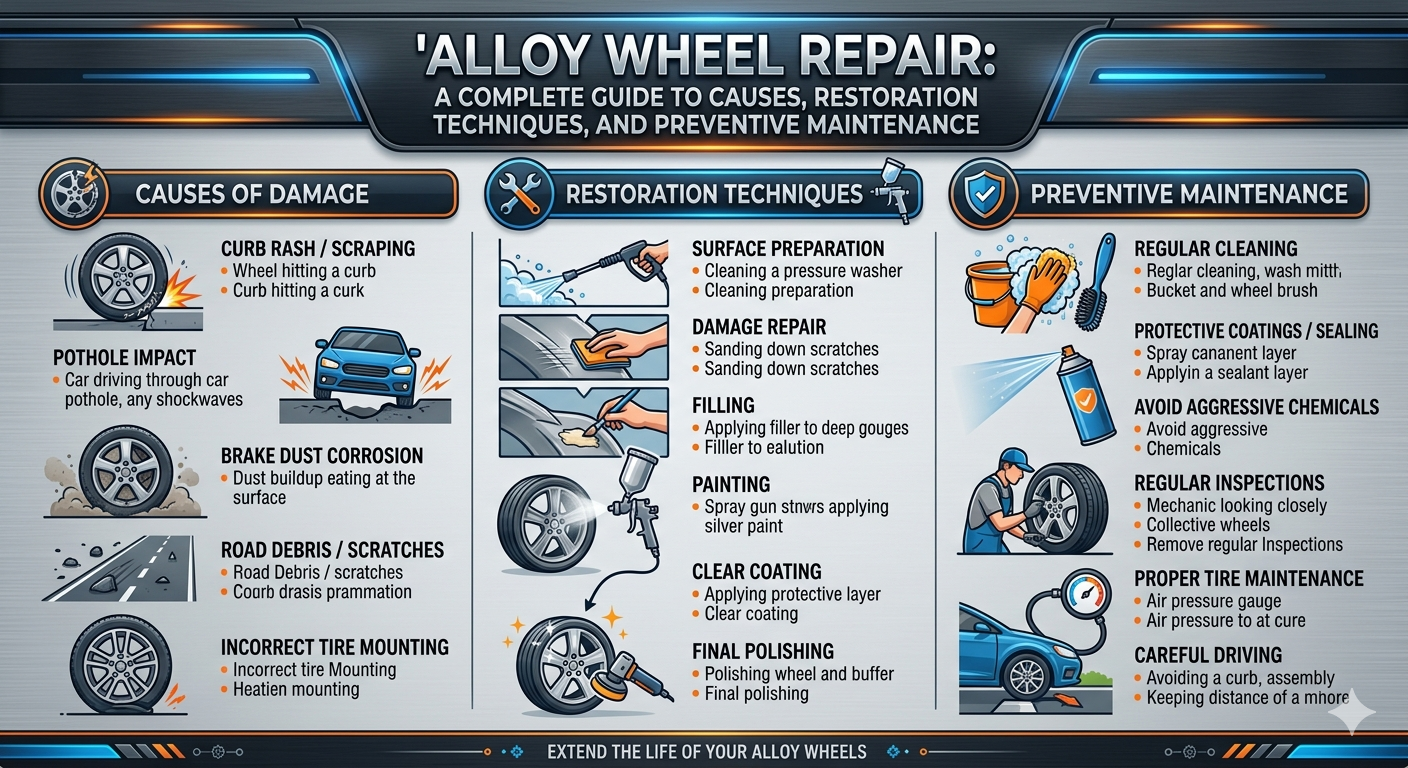
Diamond-cut alloy wheels are among the most attractive wheel designs available on modern vehicles. Their distinctive finish creates a bright, reflective appearance that enhances the overall look of a car. However, despite their visual appeal, these wheels can become damaged through everyday driving. Scratches, curb rash, corrosion, and road impacts can affect their appearance and reduce their value. In many cases, diamond cut alloy wheel repair provides an effective way to restore damaged wheels and maintain their premium appearance.
Understanding how diamond-cut wheels are made, what causes damage, and how repairs are performed can help vehicle owners make informed decisions about wheel maintenance and restoration.
What Are Diamond-Cut Alloy Wheels?
Diamond-cut alloy wheels are alloy wheels that undergo a specialized machining process to create a highly polished metallic finish.
Unlike standard painted wheels, diamond-cut wheels feature:
-
Precision-machined surfaces
-
Reflective metallic appearance
-
Sharp design details
-
Premium visual appeal
After machining, a protective clear coating is typically applied to help protect the finish from environmental damage.
Because of their unique manufacturing process, repairing diamond-cut wheels requires specialized techniques and equipment.
Why Diamond-Cut Wheels Are Popular
Many vehicle owners prefer diamond-cut wheels because they offer a distinctive appearance.
Some of the key benefits include:
Enhanced Appearance
The reflective finish creates a sophisticated and modern look.
Premium Styling
Diamond-cut wheels are commonly associated with higher-end vehicles and sport-oriented designs.
Increased Visual Depth
The contrast between machined and painted sections creates a striking appearance.
Improved Resale Appeal
Well-maintained wheels can contribute positively to overall vehicle presentation.
Despite these advantages, diamond-cut finishes can be vulnerable to damage over time.
Common Causes of Diamond-Cut Wheel Damage
Several factors can affect the condition of diamond-cut alloy wheels.
Curb Rash
Accidental contact with curbs is one of the most common causes of wheel damage.
This may result in:
-
Scratches
-
Gouges
-
Edge damage
-
Finish deterioration
Road Debris
Loose stones and debris can strike wheel surfaces while driving.
These impacts may create:
-
Surface marks
-
Chips
-
Cosmetic defects
Corrosion
Moisture and road contaminants can eventually penetrate protective coatings.
Over time, corrosion may develop beneath the clear coat.
Brake Dust
Brake dust can accumulate on wheel surfaces and contribute to finish degradation if not removed regularly.
Weather Conditions
Exposure to rain, snow, road salt, and changing temperatures may accelerate wheel wear and corrosion.
Signs Your Diamond-Cut Wheels Need Repair
Wheel damage often becomes more noticeable as it progresses.
Common warning signs include:
Visible Scratches
Surface scratches can disrupt the smooth reflective finish.
White Corrosion Marks
Corrosion beneath the clear coat often appears as white or cloudy patches.
Peeling Coating
Protective coatings may begin to separate from the wheel surface.
Dull Appearance
Loss of shine may indicate finish deterioration.
Edge Damage
The outer rim is especially vulnerable to impacts and scratches.
Early repairs can help prevent damage from becoming more extensive.
What Is Diamond Cut Alloy Wheel Repair?
Diamond cut alloy wheel repair is a specialized restoration process designed to restore the appearance of damaged diamond-cut wheels.
The process aims to:
-
Remove cosmetic damage
-
Restore the machined finish
-
Eliminate corrosion
-
Reapply protective coatings
-
Improve overall appearance
Because diamond-cut wheels require precision machining, repairs are typically performed using specialized equipment.
The Diamond Cut Alloy Wheel Repair Process
Professional repairs generally involve several stages.
Initial Inspection
Technicians begin by assessing the wheel's condition.
They evaluate:
-
Surface damage
-
Corrosion levels
-
Structural condition
-
Previous repairs
This inspection helps determine whether refurbishment is suitable.
Wheel Preparation
The wheel is thoroughly cleaned before repairs begin.
This removes:
-
Dirt
-
Brake dust
-
Grease
-
Road contaminants
A clean surface allows technicians to identify all affected areas.
Stripping the Existing Finish
Damaged coatings are removed to expose the wheel surface.
This step prepares the wheel for machining and refinishing.
Damage Correction
Scratches, curb rash, and other imperfections are repaired before machining.
This may involve:
-
Sanding
-
Surface smoothing
-
Filling minor imperfections
Precision Machining
A specialized lathe removes a thin layer of material from the wheel surface.
This machining process recreates the distinctive reflective finish that gives diamond-cut wheels their appearance.
Protective Coating Application
After machining, a clear protective coating is applied.
This coating helps protect the wheel from:
-
Corrosion
-
Moisture
-
Road contaminants
-
Environmental damage
Final Inspection
The finished wheel undergoes quality checks to ensure it meets restoration standards.
Benefits of Diamond Cut Wheel Repair
Professional repairs offer several advantages.
Restored Appearance
The wheel regains its bright and polished finish.
Cost Savings
Repairing a wheel is often less expensive than replacing it.
Preserving Original Wheels
Owners can maintain their vehicle's original wheel design.
Increased Vehicle Appeal
Refurbished wheels enhance overall vehicle presentation.
Environmental Benefits
Repairing existing wheels reduces waste and conserves resources.
Can Diamond-Cut Wheels Be Repaired Multiple Times?
Many vehicle owners ask whether wheels can be refurbished repeatedly.
The answer depends on several factors.
Material Removal
Each machining process removes a small amount of metal from the wheel surface.
Because material removal is limited, there is a practical limit to how many times a wheel can undergo refurbishment.
Wheel Design
Some wheel designs allow more refurbishment cycles than others.
Wheel Condition
Severely damaged wheels may have fewer repair options available.
A professional assessment can determine whether additional repairs are suitable.
Diamond-Cut Wheels vs Painted Wheels
Understanding the differences between wheel types can help explain why repair procedures vary.
Diamond-Cut Wheels
Features:
-
Reflective machined finish
-
Premium appearance
-
Precision manufacturing
Advantages:
-
Attractive styling
-
Modern look
-
Enhanced visual appeal
Painted Wheels
Features:
-
Fully painted surfaces
-
Simpler refinishing procedures
Advantages:
-
Easier repairs
-
Lower refurbishment costs
-
Good durability
Both wheel types offer benefits, but diamond-cut wheels require more specialized restoration methods.
Preventing Damage to Diamond-Cut Wheels
Proper care can help extend wheel life and reduce the need for repairs.
Clean Wheels Regularly
Frequent cleaning removes contaminants that may damage protective coatings.
Avoid Harsh Chemicals
Strong cleaning products can affect wheel finishes.
Drive Carefully Near Curbs
Careful parking reduces the risk of scratches and curb rash.
Remove Brake Dust Promptly
Brake dust can become corrosive if left on wheel surfaces for extended periods.
Inspect Wheels Periodically
Regular inspections help identify problems before they worsen.
Choosing a Professional Repair Service
Because diamond-cut wheels require specialized equipment, selecting the right repair provider is important.
Consider factors such as:
Experience
Choose technicians familiar with diamond-cut wheel restoration.
Equipment Quality
Precision machining equipment is essential for accurate repairs.
Reputation
Customer reviews can provide valuable insight into service quality.
Repair Standards
Professional inspection and quality control procedures help ensure consistent results.
Warranty Options
Some providers may offer warranties on qualifying repairs.
How Long Do Diamond-Cut Wheel Repairs Last?
The longevity of repairs depends on several factors.
These include:
-
Repair quality
-
Driving habits
-
Road conditions
-
Maintenance practices
-
Environmental exposure
With proper care, restored wheels can maintain their appearance for many years.
Conclusion
Diamond-cut alloy wheels add style, sophistication, and visual appeal to modern vehicles. However, daily driving can expose these wheels to scratches, curb rash, corrosion, and other forms of damage. Fortunately, diamond cut alloy wheel repair provides an effective way to restore their appearance and protect their value. Through careful inspection, precision machining, refinishing, and protective coating application, damaged wheels can often be returned to an impressive condition.
If your wheels show signs of wear or damage, addressing the issue early can help prevent further deterioration. For professional guidance and restoration services, Find a specialist near you who can assess your wheels and recommend the most appropriate repair solution. There are many companies that offer wheel repair and refurbishment services, helping vehicle owners restore damaged diamond-cut wheels without the expense of full replacement.

 English
 Arabic
 Français
 Português
 Deutsch
 Türkçe
 Dutch
Dutch
 Italiano
 Russian
 Romaian