


Does Acid Reflux Cause Chest Tightness? Signs, Causes & Relief Guide
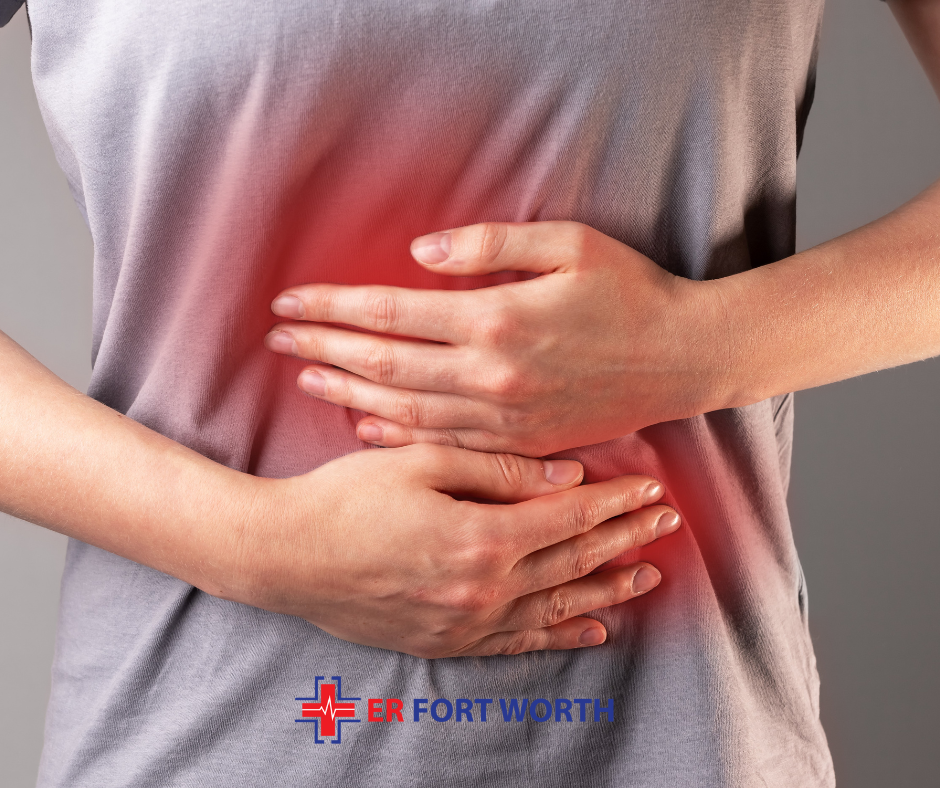
Chest tightness is a symptom that often causes worry because it can be associated with heart conditions. However, many digestive disorders can also create similar sensations. One of the most common questions patients ask is, does acid reflux cause chest tightness? The answer is yes. Acid reflux can sometimes cause discomfort, pressure, or tightness in the chest that may feel alarming.
At ER of Fort Worth, patients frequently visit the emergency room because they are unsure whether their chest symptoms are related to acid reflux, heartburn, or a more serious condition. Understanding the difference can help you respond appropriately and seek timely medical care when needed.
Quick Answer
Yes, acid reflux can cause chest tightness.
When stomach acid flows back into the esophagus, it can irritate the lining and create symptoms such as:
- Chest tightness
- Burning sensation in the chest
- Heartburn
- Difficulty swallowing
- Throat irritation
- Sour taste in the mouth
Although acid reflux can cause chest discomfort, chest tightness should never be ignored because it can also signal a heart attack or other serious medical condition.
What Is Acid Reflux?
Acid reflux occurs when stomach acid moves upward into the esophagus. Normally, a muscle called the lower esophageal sphincter prevents this from happening. When this muscle weakens or relaxes improperly, acid can travel back into the esophagus.
Occasional acid reflux is common and may occur after eating large meals or certain foods. However, frequent acid reflux may indicate Gastroesophageal Reflux Disease (GERD).
Common triggers include:
- Spicy foods
- Fatty meals
- Chocolate
- Caffeine
- Carbonated drinks
- Smoking
- Alcohol consumption
- Obesity
- Eating before bedtime
Why Does Acid Reflux Cause Chest Tightness?
The esophagus runs through the chest near the heart. When stomach acid irritates the esophageal lining, inflammation develops.
This irritation may create:
Muscle Spasms
Acid exposure can trigger spasms in the esophagus. These spasms may feel like squeezing or pressure in the chest.
Esophageal Inflammation
Inflammation caused by acid can make the chest feel tight or uncomfortable.
Nerve Stimulation
The nerves surrounding the esophagus can transmit pain signals that mimic heart-related chest discomfort.
Increased Sensitivity
People with chronic GERD often develop increased sensitivity in the esophagus, making even small amounts of reflux feel painful.
Common Symptoms of Acid Reflux
Chest tightness is only one symptom among many.
Other symptoms may include:
- Burning chest pain
- Heartburn after meals
- Regurgitation of food or acid
- Sour taste in the mouth
- Chronic cough
- Hoarseness
- Sore throat
- Difficulty swallowing
- Feeling of a lump in the throat
- Nausea
Symptoms often worsen:
- After eating
- When lying down
- During the night
- After consuming trigger foods
Acid Reflux Chest Tightness vs Heart Attack
One of the biggest concerns is determining whether chest tightness is caused by reflux or a heart condition.
Signs More Common with Acid Reflux
- Burning sensation behind the breastbone
- Symptoms after eating
- Sour or bitter taste in the mouth
- Relief with antacids
- Symptoms worsen when lying down
Signs More Common with a Heart Attack
- Crushing chest pressure
- Pain spreading to the jaw, neck, shoulder, or arm
- Cold sweats
- Shortness of breath
- Dizziness
- Nausea
- Extreme fatigue
Because symptoms can overlap, it is important not to diagnose yourself. If chest pain or tightness is severe or unusual, seek emergency medical attention immediately.
Can GERD Make Chest Tightness Worse?
Yes. GERD is a chronic form of acid reflux that can lead to more persistent symptoms.
Long-term GERD may cause:
- Frequent chest discomfort
- Ongoing inflammation
- Esophageal ulcers
- Swallowing difficulties
- Chronic coughing
- Sleep disturbances
Without treatment, GERD can significantly affect quality of life and may lead to complications.
Foods That Can Trigger Acid Reflux Symptoms
Certain foods relax the lower esophageal sphincter or increase acid production.
Common triggers include:
High-Fat Foods
- Fried foods
- Fast food
- Fatty meats
Spicy Foods
- Hot peppers
- Spicy sauces
- Curry dishes
Acidic Foods
- Tomatoes
- Citrus fruits
- Orange juice
Beverages
- Coffee
- Energy drinks
- Soda
- Alcohol
Sweet Treats
- Chocolate
- Peppermint candies
Avoiding trigger foods may help reduce chest tightness related to reflux.
Lifestyle Changes That Help Reduce Acid Reflux
Simple lifestyle modifications can significantly improve symptoms.
Eat Smaller Meals
Large meals increase pressure inside the stomach and make reflux more likely.
Stay Upright After Eating
Wait at least two to three hours before lying down.
Maintain a Healthy Weight
Excess abdominal weight can increase pressure on the stomach.
Raise the Head of Your Bed
Elevating the head while sleeping helps prevent acid from moving upward.
Stop Smoking
Smoking weakens the lower esophageal sphincter and worsens reflux symptoms.
Reduce Stress
Stress may aggravate digestive symptoms and increase discomfort.
Medical Treatments for Acid Reflux
Treatment depends on symptom severity and frequency.
Antacids
These provide quick relief by neutralizing stomach acid.
H2 Blockers
These medications reduce acid production.
Proton Pump Inhibitors (PPIs)
PPIs are commonly prescribed for moderate to severe GERD.
Prescription Medications
Some patients require stronger medications to control chronic reflux.
Always follow a healthcare provider's recommendations before starting long-term treatment.
Can Acid Reflux Cause Shortness of Breath?
In some cases, yes.
Acid reflux may irritate the airways and lead to:
- Shortness of breath
- Wheezing
- Chronic coughing
- Asthma flare-ups
People with severe GERD sometimes experience respiratory symptoms alongside chest tightness.
When Should You Go to the Emergency Room?
Although reflux is common, chest tightness should never be ignored.
Visit ER of Fort Worth immediately if you experience:
- Sudden severe chest pain
- Chest pressure lasting more than a few minutes
- Difficulty breathing
- Pain radiating to the arm or jaw
- Fainting
- Severe dizziness
- Unexplained sweating
- Symptoms that feel different than usual heartburn
Emergency evaluation helps rule out serious conditions such as heart attack, pulmonary embolism, or other life-threatening problems.
How ER of Fort Worth Helps Patients With Chest Tightness
At ER of Fort Worth, medical professionals understand that chest tightness can be frightening.
Patients receive:
- Rapid evaluation
- Advanced diagnostic testing
- Electrocardiograms (EKGs)
- Laboratory testing
- Imaging services
- Emergency treatment when needed
The goal is to quickly determine whether symptoms are caused by acid reflux, heart disease, or another medical condition.
Preventing Future Acid Reflux Episodes
Long-term prevention strategies include:
- Maintaining a healthy weight
- Limiting trigger foods
- Eating slowly
- Avoiding large evening meals
- Staying hydrated
- Managing stress levels
- Following prescribed treatment plans
These habits can reduce both acid reflux symptoms and chest tightness episodes.
Conclusion
Acid reflux can indeed cause chest tightness due to irritation and inflammation of the esophagus. While this symptom is often related to heartburn or GERD, chest discomfort can sometimes resemble symptoms of serious heart conditions. Understanding the difference is important, but self-diagnosis is never recommended.
If chest tightness becomes severe, persistent, or is accompanied by symptoms such as shortness of breath, dizziness, or pain spreading to the arm or jaw, seek immediate medical attention. ER of Fort Worth provides prompt evaluation and emergency care to help identify the cause and ensure patient safety.
For more information visit:https://eroffortworthtx.com/services/gastrointestinal-emergencies

 English
 Arabic
 Français
 Español
 Português
 Deutsch
 Türkçe
 Dutch
Dutch
 Italiano
 Romaian