


Minor Burn Treatment: Simple Steps for Safe Recovery
Introduction
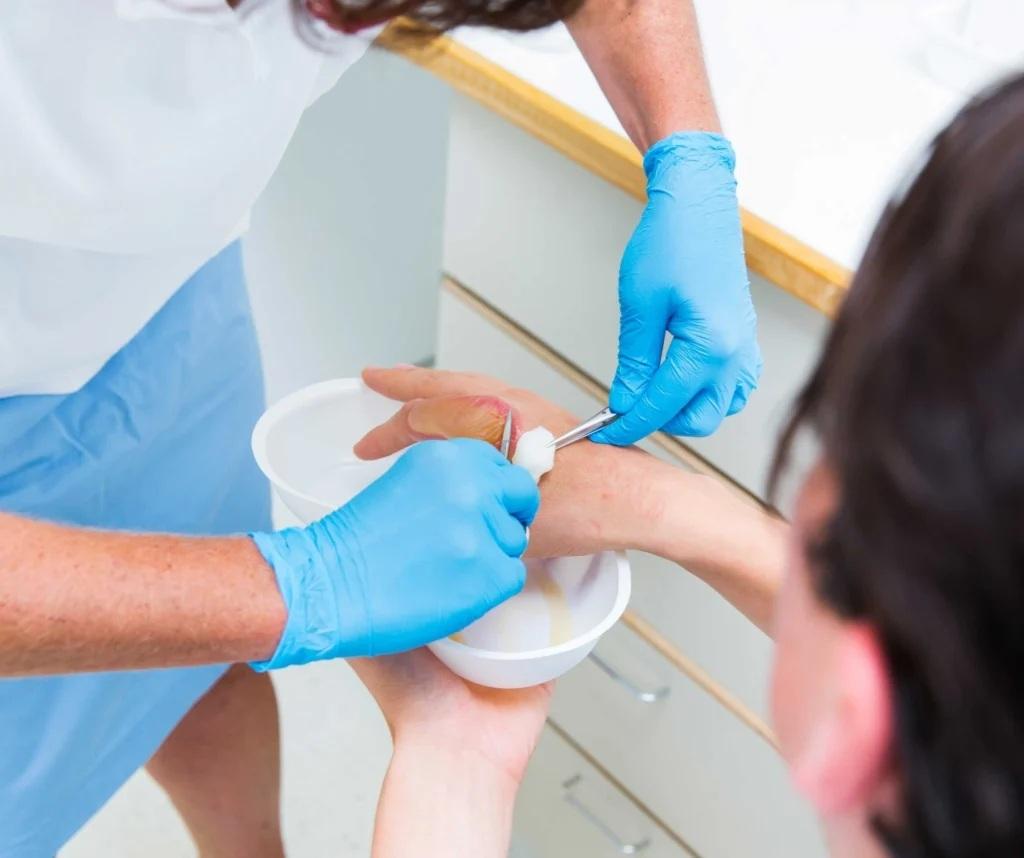
minor burn treatment involves basic care techniques that help reduce pain, protect the skin, and support healing after a mild burn injury. Minor burns are common and can happen from hot liquids, steam, sunlight, cooking accidents, or contact with hot surfaces. Knowing how to treat a minor burn properly can help prevent complications and speed recovery.
What Is a Minor Burn?
A minor burn usually affects only the outer layer of the skin.
These burns are often classified as:
- First-degree burns
- Small second-degree burns
Minor burns generally do not cover large areas of the body and can often be managed with basic care.
Common Causes of Minor Burns
Minor burns can happen in everyday situations.
Heat Burns
Examples include:
- Hot beverages
- Cooking accidents
- Steam exposure
- Hot appliances
Sunburn
Too much sun exposure can damage the skin and cause burns.
Minor Chemical Burns
Some household products may irritate or burn the skin.
Friction Burns
These burns can occur from skin rubbing against rough surfaces.
Symptoms of a Minor Burn
Common symptoms include:
- Redness
- Mild swelling
- Pain or tenderness
- Warm skin
- Small blisters in some cases
Symptoms usually improve within several days to a few weeks.
Immediate First Aid for Minor Burns
Cool the Burn
Place the affected area under cool running water for 10 to 20 minutes.
This helps:
- Reduce heat in the skin
- Relieve pain
- Limit tissue damage
Remove Tight Items
Carefully remove:
- Rings
- Watches
- Bracelets
Swelling may occur after a burn injury.
Protect the Burn
Cover the area with:
- A clean bandage
- A non-stick dressing
This helps keep the skin clean.
Stay Hydrated
Drinking water can support overall recovery and hydration.
What to Avoid
Avoid these common mistakes:
Do Not Use Ice
Ice may damage already injured skin.
Do Not Break Blisters
Blisters help protect the healing skin underneath.
Avoid Harsh Products
Do not apply:
- Butter
- Oils
- Toothpaste
- Unapproved home remedies
These may increase irritation or infection risk.
Home Care Tips for Healing
Keep the Area Clean
Wash gently with mild soap and water.
Change Dressings Regularly
Clean bandages help protect against infection.
Manage Pain
Over-the-counter pain relievers may help reduce discomfort when used as directed.
Protect Healing Skin
Avoid excessive sun exposure while the burn heals.
Signs You Should Seek Medical Care
Although many burns are minor, some situations require professional evaluation.
Seek medical attention if you notice:
- Increasing redness
- Pus or drainage
- Fever
- Severe pain
- Large blisters
- Burns on the face, hands, feet, or joints
- Burns that do not improve
These symptoms may indicate complications.
How Long Does Recovery Take?
Recovery depends on the severity of the burn.
Typical healing times:
- First-degree burns: several days
- Small second-degree burns: one to three weeks
Proper care can help improve healing and reduce scarring.
Preventing Minor Burns
Simple precautions can reduce burn risks.
In the Kitchen
- Use caution with hot liquids
- Turn pot handles inward
- Keep children away from cooking areas
Around the Home
- Test water temperature before bathing
- Handle hot appliances carefully
- Store chemicals safely
Outdoors
- Use sunscreen
- Limit excessive sun exposure
Burn Care at Er Of Fort Worth
Brand: Er Of Fort Worth provides prompt evaluation and treatment for burn injuries and other medical emergencies. Experienced healthcare professionals use advanced diagnostic tools and personalized care to help patients recover safely and effectively.
Conclusion
Minor burn treatment focuses on cooling the burn, protecting the skin, reducing pain, and supporting healing. Most minor burns improve with proper home care, but it is important to recognize signs that may require professional medical attention. Quick and appropriate treatment can help prevent complications and promote a smooth recovery.
FAQs
1. What is considered a minor burn?
A minor burn usually affects only the outer layer of the skin or involves a small area of a second-degree burn.
2. How should I treat a minor burn immediately?
Cool the burn under running water, protect it with a clean dressing, and avoid using ice or harsh home remedies.
3. Should I pop a burn blister?
No. Blisters help protect the healing skin and should generally be left intact.
4. How long does a minor burn take to heal?
Most minor burns heal within a few days to a few weeks, depending on severity.
5. When should I seek medical care for a burn?
Seek medical attention if the burn becomes infected, causes severe pain, covers a large area, or affects sensitive parts of the body.
For More Blogs Visit

 English
 Français
 Español
 Português
 Deutsch
 Türkçe
 Dutch
Dutch
 Italiano
 Russian
 Romaian