


Micro OLED Display Challenges Limiting AR Device Performance
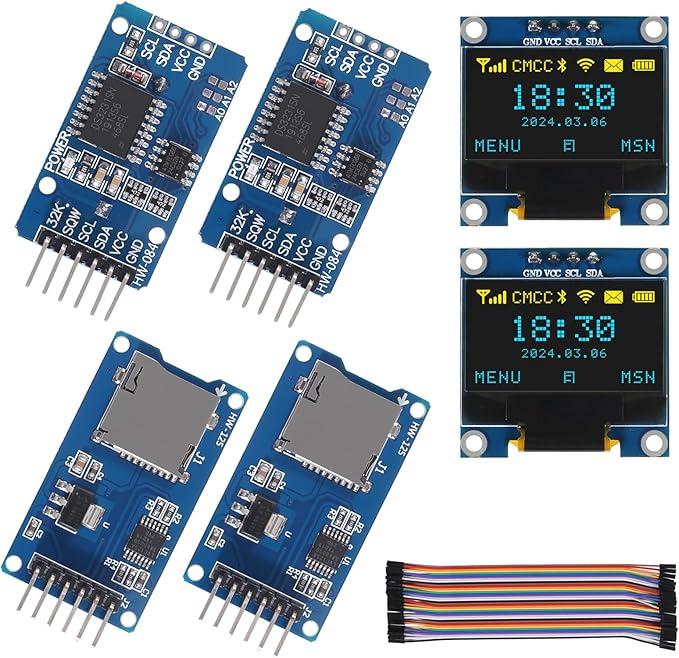
The AR and wearable technology market continues to grow. Manufacturers now compete to build lighter headsets, smarter glasses, and more immersive viewing experiences. At the center of many of these devices sits the micro OLED display.
The technology offers impressive image quality, deep blacks, and high pixel density. Many premium AR and XR devices use it because traditional display technologies struggle to deliver the same visual experience in a compact size.
However, the story is not all smooth. Despite its advantages, the micro OLED display still faces several challenges that affect performance, production, and long-term adoption.
Think of it like a sports car with incredible speed but a few engineering hurdles that prevent everyone from owning one. The technology looks great on paper, but manufacturers still need to solve important problems before it reaches its full potential.
Why the Industry Depends on Micro OLED Display Technology
A micro OLED display combines OLED technology with a silicon backplane. This design allows manufacturers to create extremely small displays with very high resolution.
Industry leaders use these displays because they offer:
- High contrast ratios
- Deep black levels
- Fast response times
- Compact form factors
- Excellent image clarity
These features make micro OLED technology particularly useful for:
- Augmented reality devices
- Virtual reality headsets
- Electronic viewfinders
- Medical imaging systems
- Defense and aerospace optics
According to display industry research from organizations such as the Society for Information Display (SID), OLED technology remains one of the leading options for near-eye display applications because of its image quality and response performance.
The Brightness Problem in Outdoor Environments
One of the biggest challenges involves brightness.
A micro OLED display performs exceptionally well indoors. However, outdoor environments create a different situation. Sunlight can easily overpower display output, making images difficult to see.
AR smart glasses need enough brightness to compete with natural daylight. If users cannot clearly see digital information outdoors, the experience quickly becomes frustrating.
Manufacturers often increase brightness levels to solve this issue. Unfortunately, higher brightness can increase power consumption and generate additional heat.
This creates a difficult balancing act.
More brightness improves visibility. More brightness also creates new engineering challenges.
Heat Management Remains a Serious Concern
Heat affects almost every electronic device, and micro OLED displays are no exception.
As brightness levels increase, displays generate more heat. Excessive heat can reduce efficiency and impact long-term reliability.
For wearable devices, this issue becomes even more important. Nobody wants a headset that feels like a portable toaster after twenty minutes of use.
Engineers must design effective cooling solutions while keeping devices lightweight and comfortable.
The challenge becomes greater because AR and VR products continue moving toward smaller and thinner designs.
Limited Lifetime of Blue OLED Materials
Another industry challenge involves OLED material lifespan.
Blue OLED emitters generally degrade faster than red and green emitters. This issue has existed across OLED technologies for years.
Over time, uneven degradation can affect color accuracy and display performance.
Researchers continue developing improved OLED materials to extend operational life. Significant progress has occurred, but the challenge has not disappeared completely.
For industries such as healthcare, defense, and professional imaging, long-term reliability remains a critical purchasing factor.
Manufacturing Complexity Increases Costs
Producing a micro OLED display requires highly specialized manufacturing processes.
The silicon wafer backplane must integrate perfectly with OLED layers. Even small production defects can reduce yield rates.
Lower yields often lead to higher manufacturing costs.
This explains why many devices using micro OLED technology remain in premium price categories.
While costs continue to improve as production scales increase, manufacturers still face substantial investment requirements compared with some alternative display technologies.
Power Consumption Challenges in Wearable Devices
Battery life remains one of the most discussed issues in wearable technology.
Users want lightweight products that can operate for extended periods without charging. At the same time, they expect bright displays, rich graphics, and smooth performance.
These goals often compete with each other.
A micro OLED display generally offers excellent efficiency when displaying darker content because OLED pixels can switch off individually. However, applications requiring bright images and constant usage can increase energy demands.
Engineers continue optimizing display drivers, power management systems, and optical architectures to improve efficiency.
Supply Chain and Scalability Concerns
Demand for AR and XR products continues increasing.
As adoption grows, manufacturers need reliable supply chains capable of producing large volumes of high-quality displays.
Scaling production presents challenges because micro OLED manufacturing requires advanced fabrication facilities and specialized expertise.
Industry analysts frequently point to production capacity as an important factor influencing future adoption rates.
A technology may be excellent, but widespread success requires consistent and scalable manufacturing.
How the Industry Is Addressing These Challenges
The good news is that significant innovation continues across the display sector.
Researchers and manufacturers are actively working on:
- Higher-efficiency OLED materials
- Better thermal management solutions
- Improved manufacturing yields
- Advanced optical systems
- Longer-lasting blue emitters
- More efficient power architectures
Several next-generation AR and XR products already demonstrate meaningful improvements compared with earlier generations.
The pace of innovation suggests that many current limitations will continue shrinking over the coming years.
Conclusion
The micro OLED display has become a key technology for modern AR, VR, defense, medical, and wearable applications. Its image quality, compact size, and high pixel density make it an attractive solution for near-eye displays.
However, brightness limitations, heat generation, OLED material lifespan, manufacturing complexity, and power efficiency continue to present real challenges.
These issues do not reduce the value of the technology. Instead, they highlight where future innovation will focus. As manufacturers improve materials, production methods, and system designs, the micro OLED display is likely to play an even bigger role in the next generation of immersive devices.
Organizations that understand both the strengths and limitations of this technology will be better positioned to make informed decisions as the AR and XR markets continue to evolve.

 English
 Français
 Español
 Português
 Deutsch
 Türkçe
 Dutch
Dutch
 Italiano
 Russian
 Romaian