


Air Compressor for Plasma Cutting and Tyre Inflation: Workshop Guide
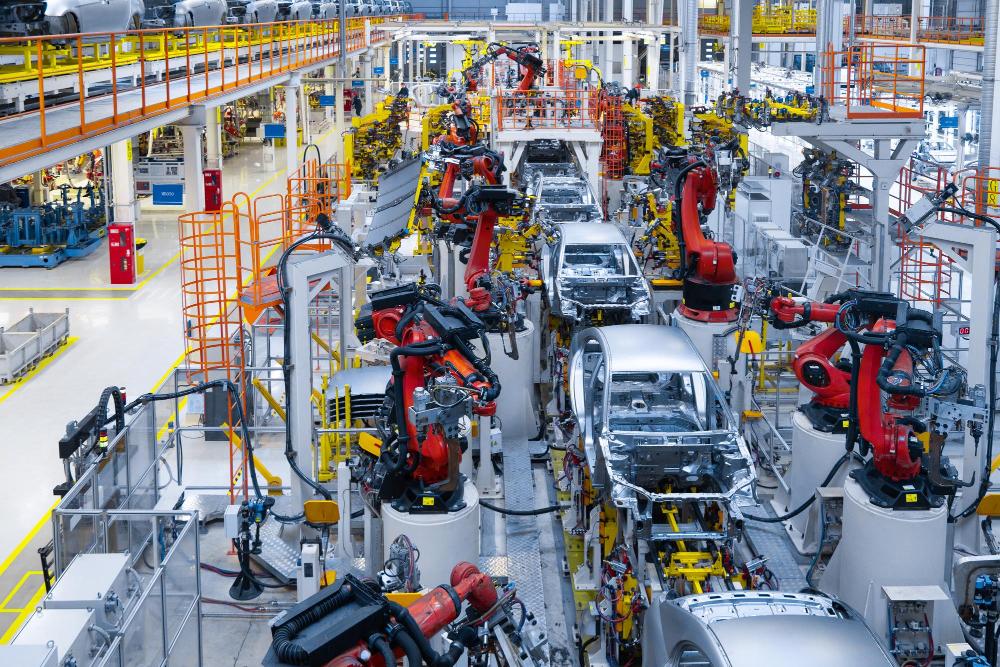
An air compressor for plasma cutting and tyre inflation can support two very different workshop needs. Plasma cutting needs steady airflow, clean air, and pressure stability for smooth metal cutting. Tyre inflation needs accurate pressure, quick recovery, and reliable daily performance. When one compressor is expected to support both tasks, the workshop must choose carefully.
Many auto garages, tyre shops, fabrication units, body shops, and service centres use one automotive air compressor for multiple applications. The same compressor may inflate tyres in one bay, support an air compressor for air tools in another bay, and provide air for plasma cutting when repair or fabrication work is needed. This can be practical, but only when the compressor has the right capacity and setup.
A compressor that works well for tyre inflation may not always work well for plasma cutting. Tyre inflation usually needs controlled pressure in shorter intervals. Plasma cutting needs continuous airflow while the cut is active. If the compressor cannot deliver enough CFM or if moisture enters the air line, plasma cutting quality may suffer. On the other hand, if the compressor recovers too slowly, tyre service may become slower during busy hours.
The right automotive compressor should match real workshop demand. It should provide suitable pressure, enough airflow, good tank capacity, strong duty cycle, clean air delivery, and easy maintenance access. This guide explains how workshops can choose and use an air compressor for plasma cutting and tyre inflation without affecting performance, safety, or daily productivity.
Why Workshops Use One Compressor for Multiple Tasks
Workshops often prefer one compressed air system because it saves space, simplifies installation, and supports different service areas. A single auto air compressor may be connected to tyre inflators, blow guns, air tools, plasma cutters, and cleaning lines. With the right setup, this can improve workflow and reduce the need for separate machines.
However, one compressor can only support multiple tasks if it is sized correctly. Each application uses air differently. An air compressor for tyre inflation needs stable pressure and fast recovery. An air compressor for plasma cutting needs steady airflow and dry air. An air compressor for air tools may need higher CFM depending on the tools used.
If these differences are ignored, the compressor may struggle. Technicians may face pressure drops, long waiting time, poor cutting quality, weak air tools, and frequent automotive air compressor repair. This is why the workshop should calculate air demand before selecting or using one compressor for everything.
A multi-use compressor should be planned as a complete system. The compressor, tank, hoses, filters, regulators, drains, and air lines should all work together.
Understanding Plasma Cutting Air Requirements
Plasma cutting uses compressed air to remove molten metal from the cutting path. The plasma cutter creates the arc, but compressed air helps control the cut and clear the material. If the air supply is weak or unstable, the cut may become rough, slow, or uneven.
An air compressor for plasma cutting must provide the required PSI and CFM mentioned by the plasma cutter. PSI measures pressure, while CFM measures airflow. Both are important, but CFM is often the factor that causes problems during actual cutting.
A compressor may reach the required pressure when idle. But once the plasma cutter starts using air, pressure can drop if the compressor does not deliver enough airflow. This can cause poor arc stability, extra slag, rough edges, and more finishing work.
Plasma cutting also needs clean and dry air. Moisture in the air line can affect cutting quality and reduce consumable life. Workshops using plasma cutting regularly should consider moisture separators, filters, or dryers depending on usage and environment.
Understanding Tyre Inflation Air Requirements
An air compressor for tyre inflation has a different job. It must deliver accurate pressure and recover quickly between inflation tasks. Tyre pressure affects vehicle safety, fuel efficiency, tyre life, ride comfort, and handling. For auto garages and tyre shops, accurate tyre inflation is a basic service quality requirement.
Tyre inflation does not usually need the same continuous airflow as plasma cutting or heavy air tools. However, repeated inflation can still place a regular load on the compressor. A busy tyre shop may inflate many tyres in a short time, especially after puncture repair, wheel balancing, alignment, rotation, or routine service.
For tyre inflation, pressure control is very important. The compressor should work with reliable pressure gauges, inflator guns, regulators, hoses, and couplers. If any part of the system leaks or gives inaccurate readings, the final tyre pressure may be wrong.
A good automotive air compressor for tyre inflation should support the highest pressure range required by the vehicles handled in the workshop. It should also recover fast enough so technicians are not waiting between vehicles.
Pressure and CFM: What Workshops Should Know
Pressure and CFM are two of the most important factors in compressor selection. A workshop should not choose an automotive compressor only by tank size or price.
Pressure, measured in PSI, shows the force of the compressed air. Tyre inflation needs the correct pressure for each vehicle. Plasma cutting needs the pressure recommended by the cutter. Air tools also need specific pressure ranges.
CFM, measured in cubic feet per minute, shows how much air the compressor can deliver. This matters more for applications that consume air continuously, such as plasma cutting, sanding, grinding, and some spray work.
For tyre inflation, moderate CFM may be enough in low-volume use. For plasma cutting, the compressor must meet the cutter’s CFM requirement during the full cut. If air tools are also used, total CFM demand increases.
Before selecting a compressor, workshops should check:
- Required PSI for tyre inflation and plasma cutting
- Required CFM for the plasma cutter
- CFM needs of major air tools
- Number of users working at the same time
- Tank size and recovery speed
- Duty cycle for daily workload
- Air quality needs for cutting and tools
- Future workshop expansion
This helps avoid under-sizing the compressor and prevents unnecessary repair issues later.
Tank Size and Recovery Time
Tank size decides how much compressed air is stored. A larger tank can help during repeated tyre inflation or short air demands. It can also reduce frequent motor cycling. However, tank size alone does not make a compressor suitable for plasma cutting.
For plasma cutting, the compressor must refill the tank fast enough while air is being used. If the tank empties faster than the compressor can recover, pressure will drop during the cut. This can affect cut quality and slow down the job.
For tyre inflation, recovery time affects service speed. A tyre shop or service centre may need to inflate several tyres back-to-back. If recovery is slow, technicians may wait for pressure to build. This reduces productivity and affects customer experience.
The best setup balances tank size, CFM, PSI, and duty cycle. A large tank with low airflow may still underperform. A smaller tank with strong recovery may work better for certain workshop needs.
Air Quality for Plasma Cutting and Tyre Inflation
Air quality is especially important when using an air compressor for plasma cutting. Compressed air naturally creates moisture. It may also carry dust, oil particles, or contaminants if the compressor and air lines are not maintained properly.
For plasma cutting, wet air can cause rough cuts, unstable arc performance, more slag, and shorter consumable life. Clean and dry air helps maintain better cut quality and reduces rework.
For tyre inflation, air quality may not create visible defects like it does in plasma cutting, but it still matters. Moisture can affect valves, gauges, hoses, and fittings over time. It can also increase corrosion inside the tank and air lines.
A workshop using one automotive air compressor for multiple tasks should include proper air treatment. This may include intake filters, moisture separators, line filters, and dryers where required. Regular tank draining is essential.
Clean air supports better compressor performance, protects tools, improves plasma cutting results, and reduces long-term maintenance issues.
Using the Same Compressor for Air Tools
Many workshops also use the same compressor as an air compressor for air tools. This adds another layer to capacity planning. Air tools such as impact wrenches, ratchets, grinders, sanders, blow guns, and polishers need stable pressure and enough airflow.
Some air tools use air in short bursts. Others need continuous airflow. A grinder or sander may consume more air than a tyre inflator. If plasma cutting and air tools are used at the same time, the compressor must support combined demand.
This is why workshops should not choose a compressor only for tyre inflation if they plan to use it for air tools and plasma cutting later. A multi-purpose automotive compressor should have enough CFM, proper tank support, and a duty cycle that matches real daily usage.
Pressure regulators are also important. Tyre inflators, air tools, and plasma cutters should not all receive uncontrolled air pressure from the same outlet. Each task should have suitable pressure control.
Setup Tips for a Multi-Use Compressor System
A good compressor setup helps the machine deliver air efficiently to each application. Poor setup can reduce performance even when the compressor itself is capable. Long hoses, small hose diameter, leaking fittings, blocked filters, and poor regulators can all reduce air delivery.
For workshops using one compressor for plasma cutting and tyre inflation, layout planning is important. The compressor should be placed in a clean and ventilated area. Air lines should be planned to reduce pressure loss. Moisture control should be installed before the air reaches the plasma cutter.
A practical setup may include:
- Suitable compressor with enough PSI and CFM
- Tank size that matches workshop workload
- Pressure regulators for different applications
- Moisture separator before plasma cutting equipment
- Reliable tyre inflator and pressure gauge
- Correct hose diameter for air tools and plasma cutting
- Leak-free fittings and couplers
- Regular drain points in the air system
- Clean and ventilated compressor placement
- Easy access for inspection and repair
A well-planned setup helps the same auto air compressor serve multiple workshop needs without constant interruptions.
Maintenance and Automotive Air Compressor Repair
Maintenance is essential when one compressor supports several workshop tasks. A breakdown can affect tyre inflation, plasma cutting, air tools, cleaning, and repair work at the same time. Regular maintenance keeps air delivery stable and reduces downtime.
Basic maintenance includes draining the tank, checking filters, inspecting hoses, tightening fittings, checking pressure gauges, cleaning the intake area, and monitoring recovery time. Oil-lubricated compressors also need oil checks and scheduled oil changes.
Automotive air compressor repair may be required when the compressor cannot build pressure, runs continuously, overheats, leaks air, vibrates, makes unusual noise, or delivers wet air. These warning signs should not be ignored.
For plasma cutting, wet air or pressure drops can quickly affect output quality. For tyre inflation, slow pressure recovery can reduce service speed. Early repair helps protect both performance and customer experience.
Common Mistakes Workshops Should Avoid
Many compressor problems happen because workshops underestimate total air demand. A compressor chosen only for tyre inflation may not support plasma cutting or air tools later. A compressor chosen only by PSI may not deliver enough CFM during cutting.
Common mistakes include:
- Choosing the compressor only by tank size
- Ignoring the plasma cutter’s CFM requirement
- Using a small tyre inflation compressor for regular plasma cutting
- Not checking recovery time for repeated tyre inflation
- Running air tools during cutting without checking total demand
- Ignoring moisture control
- Using long or narrow hoses
- Forgetting to drain the tank
- Delaying automotive air compressor repair
- Installing the compressor in a hot or dusty area
Avoiding these mistakes helps workshops get better performance from the compressor and reduces unnecessary downtime.
Conclusion
An air compressor for plasma cutting and tyre inflation must be chosen with care because both applications use compressed air differently. Plasma cutting needs steady airflow, clean air, and stable pressure. Tyre inflation needs accurate pressure, fast recovery, and reliable daily operation. If the same automotive air compressor also supports air tools, total air demand becomes even more important.
The right automotive compressor should provide suitable PSI, enough CFM, proper tank capacity, good duty cycle, and clean air delivery. It should also be installed with proper regulators, hoses, filters, moisture control, and drain points.
A well-selected auto air compressor helps workshops improve plasma cutting quality, tyre inflation speed, tool performance, and overall productivity. With regular maintenance and timely automotive air compressor repair, the compressor can remain a dependable part of daily workshop operations.
FAQ
Can one air compressor be used for plasma cutting and tyre inflation?
Yes, one air compressor can be used for plasma cutting and tyre inflation if it has enough PSI, CFM, tank capacity, and duty cycle. Plasma cutting needs steady airflow and dry air, while tyre inflation needs accurate pressure and quick recovery. The compressor should be sized for both applications.
What is more important for plasma cutting, PSI or CFM?
Both PSI and CFM are important, but CFM is often the key factor during cutting. A compressor may reach the required pressure, but if it cannot deliver enough airflow, pressure can drop during the cut. This can affect arc stability and cut quality.
Is an air compressor for tyre inflation suitable for plasma cutting?
An air compressor for tyre inflation may not always be suitable for plasma cutting. Tyre inflation usually needs pressure control, while plasma cutting needs continuous airflow and clean, dry air. The compressor should be checked against the plasma cutter’s PSI and CFM requirements.
Can an automotive compressor also run air tools?
Yes, an automotive compressor can run air tools if it has enough pressure, airflow, and duty cycle. Since many air tools need more CFM than tyre inflators, the compressor should be selected based on the most demanding regular use.
When is automotive air compressor repair needed?
Automotive air compressor repair is needed when the unit struggles to build pressure, runs continuously, overheats, leaks air, vibrates, makes unusual noise, or delivers wet air. Early repair helps prevent downtime and protects tyre inflation, plasma cutting, and air tool performance.
 Deutsch
 English
 Arabic
 Français
 Español
 Português
 Türkçe
 Dutch
Dutch
 Italiano
 Russian
 Romaian