


Marketing Design Services That Keep Your Brand Consistent
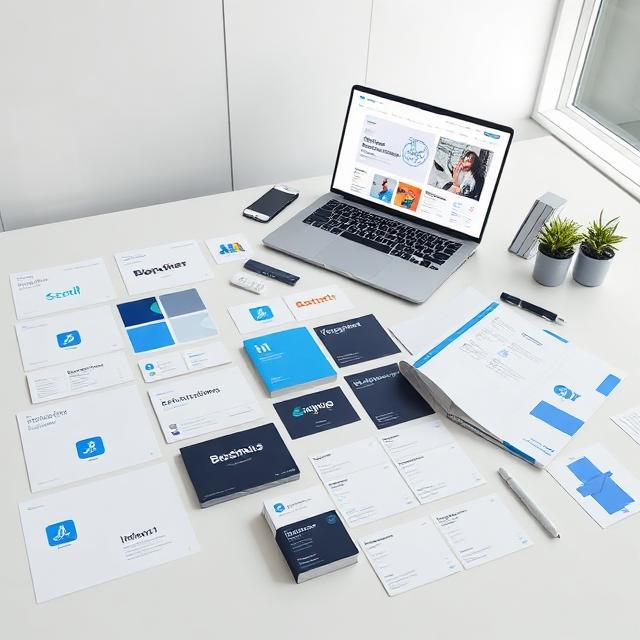
Why Does Design Consistency Matter?
Every business wants customers to recognize its brand wherever they see it. That becomes difficult when logos, colors, fonts, or messages change from one place to another. A business card, product package, website, and social media post should all feel connected.
When branding looks different across channels, customers may question whether they are dealing with the same company. Even small differences can make a business appear less organized. A consistent visual identity creates familiarity, which helps people remember your business over time.
Design consistency also makes communication easier. Customers quickly recognize who is speaking to them, whether they receive a printed brochure, view an online advertisement, or visit a trade show booth. Instead of trying to understand changing visuals, they can focus on the message itself.
Businesses often update materials over the years, but those updates should still reflect the same identity. A clear design system helps every new project fit naturally with existing marketing materials.
What Do Marketing Design Services Cover?
Design work goes far beyond creating a logo. A complete brand identity includes colors, typography, graphics, and visual guidelines that help every piece of communication look connected. These elements create a recognizable appearance that customers can identify across different platforms.
Marketing materials such as brochures, flyers, catalogs, postcards, presentation folders, and sales sheets also play an important role. Each item should support the same brand identity while delivering information in a clear and professional way.
Packaging and product labels add another layer of brand recognition. Customers often encounter packaging before they interact with a company in any other way. Consistent design helps products stand out while making the overall brand easier to recognize.
Many businesses also create merchandise, promotional products, and branded apparel. Artwork for these items should match the same visual standards used across other marketing materials. Event graphics, banners, displays, and signage should continue that consistency during trade shows, conferences, and community events.
Campaign design connects everything together across both digital and print channels. Whether someone sees an email, a direct mail piece, a social media graphic, or a printed advertisement, the experience should feel like it comes from the same business. Motion graphics can also support this effort by using familiar branding in videos and animated content.
How Does Grossman Marketing Group Help?
Keeping every design project connected takes planning and attention to detail. Marketing design services from Grossman Marketing Group focus on creating a unified brand identity that carries through every stage of a project. From the first design concept to print-ready artwork, every piece is developed to support a consistent visual experience.
This approach helps businesses maintain the same look across logos, marketing materials, packaging, promotional products, event graphics, digital campaigns, and motion graphics. By managing the design process with consistency in mind, businesses can avoid mismatched visuals and create stronger recognition over time.
What to Look for in a Design Partner?
Choosing a design partner involves more than reviewing a portfolio. It is important to find a team that understands how designs move from creative ideas into finished products. Knowledge of print production can help prevent costly mistakes and reduce delays.
Turnaround time also matters. Businesses often need updated marketing materials for product launches, events, or seasonal promotions. A reliable design partner should communicate clearly, manage revisions efficiently, and deliver work on schedule.
It is also helpful to work with a team that can handle both digital and physical design projects. Maintaining one visual style across websites, email campaigns, printed materials, packaging, and signage becomes much easier when everything follows the same creative direction.
Common Mistakes to Avoid
Many businesses hire different freelancers or vendors for separate projects without providing clear brand guidelines. One person designs the logo, another creates brochures, and someone else develops social media graphics. Over time, each project begins to look slightly different.
These differences may seem small at first, but they can add up quickly. Customers may notice inconsistent colors, different fonts, or changing graphic styles. Instead of building a recognizable identity, the business ends up with disconnected marketing materials.
Another common issue is recreating existing artwork instead of using approved brand files. This can lead to inconsistent logos, lower-quality images, and design elements that no longer match previous materials. Keeping organized brand assets helps maintain consistency across every project.
Businesses also sometimes focus on individual projects instead of considering the complete customer experience. Every printed piece, digital advertisement, package, and event display contributes to the overall impression customers have of the brand. Looking at each project as part of a larger system creates a more unified identity.
Final Thoughts
Strong branding comes from consistency rather than constant change. When every design element works together, customers can recognize a business more easily across print, digital, packaging, events, and promotional materials.
Treating design as one connected system helps businesses create a clear and reliable identity that supports future marketing efforts. Instead of viewing each project as a separate task, keeping every piece aligned builds a stronger and more recognizable brand over time.

 Arabic
 Français
 Español
 Português
 Deutsch
 Türkçe
 Dutch
Dutch
 Italiano
 Russian
 Romaian