


Can Green Hydrogen Reduce Long-Term Energy Risks for Manufacturers?
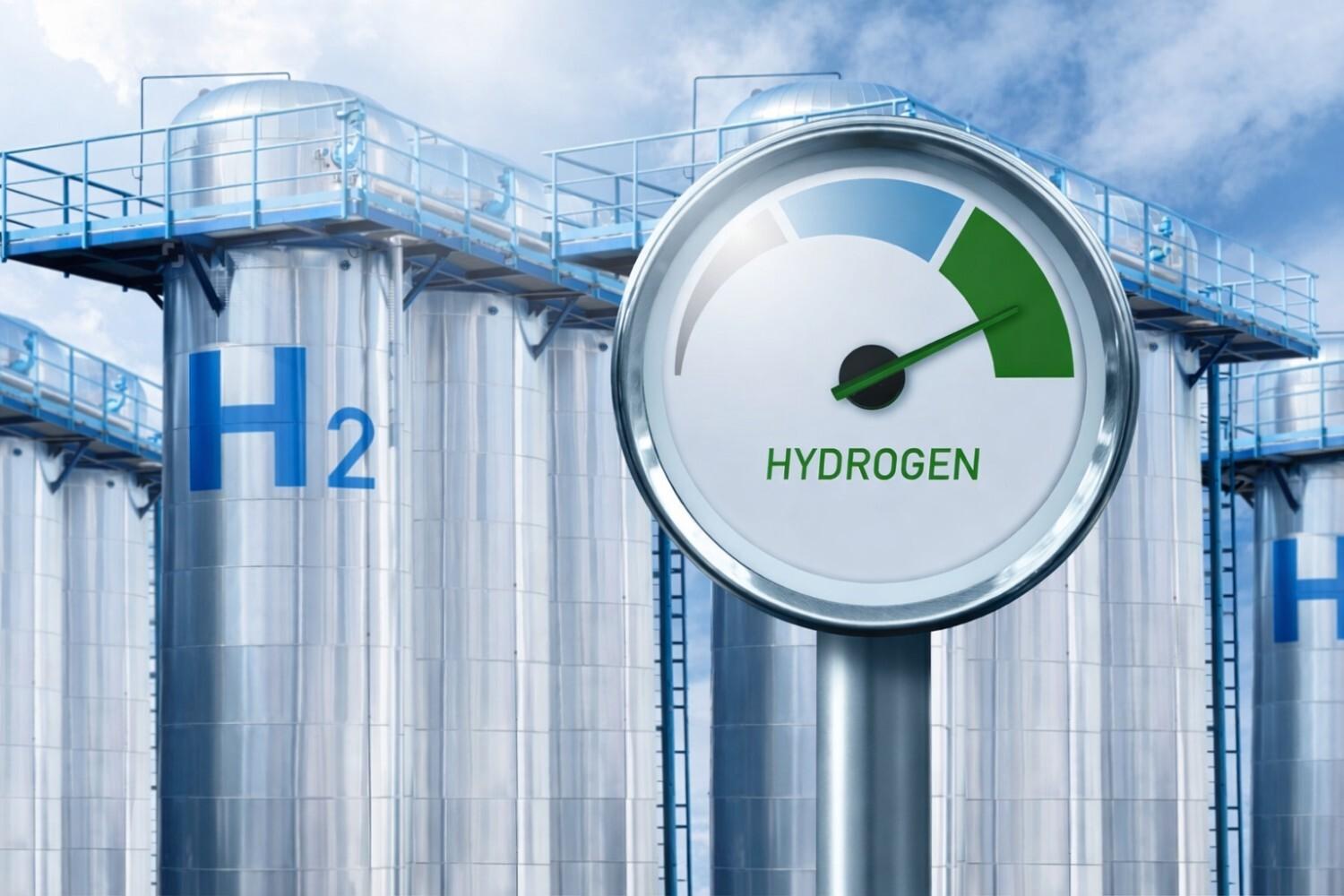
Manufacturers across the world are facing a tough problem. Energy prices keep changing, fuel supply chains face disruptions, and pressure to cut carbon emissions keeps growing. Many factory owners are now asking a simple question. Can switching to cleaner fuel sources actually protect their business from these risks in the long run? One answer that keeps coming up in industry conversations is hydrogen produced through renewable methods.
What Is Green Hydrogen and Why It Matters
Green hydrogen is produced by using renewable electricity, such as power generated from solar panels or wind turbines, to separate water into hydrogen and oxygen through electrolysis. Unlike hydrogen made from natural gas, this process does not release carbon emissions into the air. For manufacturers, this matters because it offers a fuel source that does not depend on imported oil or gas. Factories that use heavy machinery, furnaces, or heating systems can use this fuel instead of fossil fuels, which lowers their exposure to price shocks caused by global fuel markets.
The Energy Risk Manufacturers Actually Face
Most manufacturing plants rely on a mix of electricity and fossil fuels to run daily operations. When fuel prices rise suddenly, due to war, trade restrictions, or supply chain issues, production costs go up too. This affects profit margins and sometimes forces companies to pause operations. Relying on a single type of energy source, especially one tied to unstable global markets, creates a long-term risk that many businesses cannot control. Renewable hydrogen offers a way to reduce this dependency because it can be produced locally, using local renewable power plants, rather than shipped in from another country.
Building the Right Infrastructure
One challenge that often comes up in this shift is infrastructure. Setting up storage tanks, pipelines, and fuel cells requires investment and planning. This is where E-fuel infrastructure becomes an important part of the conversation. Without proper infrastructure to produce, store, and transport these fuels safely, even the cleanest fuel source cannot be used at a large scale. Governments and private companies in regions like Germany, Japan, and Australia are already investing in these systems, which is slowly making adoption easier and more affordable for manufacturers who want to make the switch.
Case Study One: A Steel Plant in Sweden
A steel manufacturing company in Sweden, working under a project called HYBRIT, successfully tested a process that replaces coal with renewable hydrogen in steel production. Traditional steelmaking is one of the largest sources of industrial carbon emissions because it depends heavily on coal. This project proved that steel can be made using hydrogen instead, without lowering the quality of the final product. The plant reported a major drop in emissions and reduced its dependency on coal imports, which had been a source of price uncertainty for years.
Case Study Two: A Cement Factory in the Netherlands
A cement production facility in the Netherlands ran a pilot program to test renewable hydrogen as a heating fuel for its kilns, which usually require extremely high temperatures. Cement production is difficult to decarbonize because electric heating alone often cannot reach the temperatures needed. The pilot showed that hydrogen could reach these temperatures effectively, cutting the plant's reliance on natural gas by a noticeable percentage during the trial period. This gave the company more confidence in planning long-term fuel contracts without worrying as much about gas price swings.
Cost Considerations Manufacturers Should Know
It would be misleading to say this fuel source is currently cheaper than fossil fuels in every case. Production costs are still higher in many regions because renewable electricity and specialized equipment are needed. However, costs have been dropping steadily as technology improves and more production facilities are built. Manufacturers who invest early may benefit from long-term price stability, even if initial costs are higher, because they avoid future price spikes tied to fossil fuel markets.
Government Support and Industry Momentum
Several countries are offering subsidies, tax credits, and grants to encourage manufacturers to adopt cleaner fuel systems. This support is helping smaller manufacturers, who may not have large budgets, to explore this option without taking on excessive financial risk. As more industries adopt these systems, the entire supply chain becomes stronger, which naturally brings prices down over time.
Conclusion
Green hydrogen is not a perfect solution for every manufacturer today, but it offers a realistic path toward reducing long-term energy risks. It gives businesses a way to lower their dependence on unstable fuel markets, cut emissions, and prepare for stricter environmental regulations in the future. Manufacturers who want to stay updated on this topic often attend an E-fuels event, where industry experts, engineers, and policymakers share real progress, case studies, and future plans. Staying informed through such events can help manufacturers make smarter decisions about when and how to begin their transition.
Frequently Asked Questions
Q1. Is green hydrogen safe to use in manufacturing plants?
Yes, when handled with proper storage and safety systems, it is considered safe. Many industries already have decades of experience handling hydrogen safely in other applications.
Q2. How long does it take for a manufacturer to switch to this fuel source?
It depends on the size of the plant and existing infrastructure, but most transitions take a few years, starting with pilot testing before full-scale adoption.
Q3. Does using renewable hydrogen require completely new equipment?
In many cases, some equipment can be adapted, though certain processes need specialized fuel cells or burners designed specifically for hydrogen use.
Q4. Will fuel costs eventually become cheaper than fossil fuels?
As production scales up and technology improves, prices are expected to keep falling, though the exact timeline varies by region and government support.
Q5. Which industries benefit the most from this transition?
Heavy industries like steel, cement, chemicals, and glass manufacturing benefit the most because they require high heat and currently depend heavily on fossil fuels.

 English
 Arabic
 Français
 Español
 Português
 Deutsch
 Türkçe
 Dutch
Dutch
 Italiano
 Romaian