


What Separates Athletic Potential From Athletic Performance?
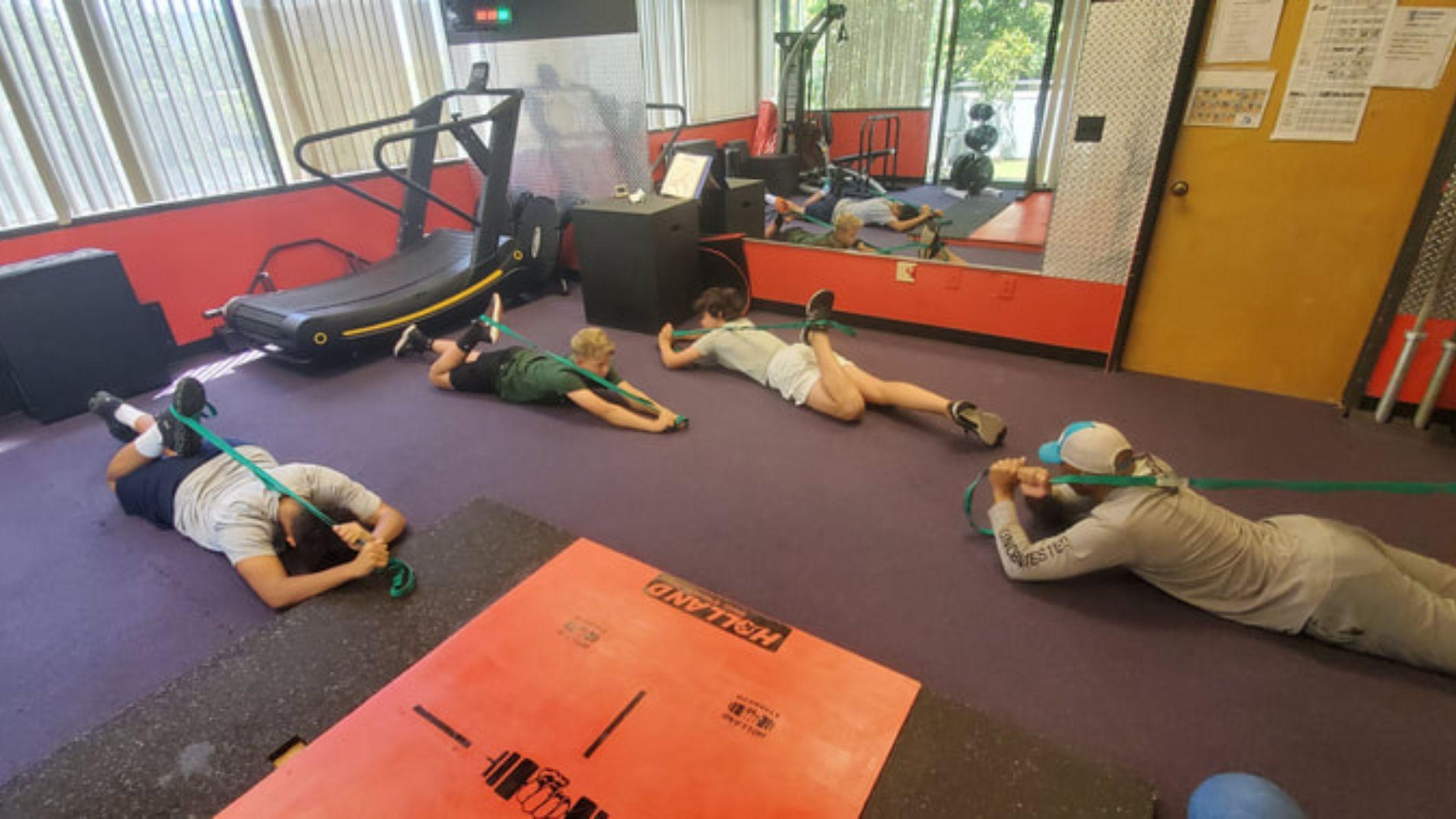
Youth sports have become more competitive than ever. Many young athletes spend hours practicing specific skills, attending games, and chasing performance goals. Yet coaches and performance specialists across the country are noticing a different challenge. Some athletes can perform sport-specific skills well but struggle with the basic movement qualities that support long-term success.
This is where speed and agility training for youth is gaining attention. Rather than focusing only on winning the next game, many parents and coaches are starting to ask a bigger question: Are young athletes building the movement foundation they need for the future?
Research from the Aspen Institute's Project Play initiative has highlighted growing concerns about early sports specialization and the importance of developing broad athletic skills during childhood. The conversation is shifting from doing more to moving better.
What Happens When Practice Becomes Too Narrow?
Many young athletes repeat the same movements over and over within a single sport. While repetition can improve technique, it does not always create a well-rounded athlete.
Running, changing direction, accelerating, decelerating, and maintaining body control are universal athletic skills. These movement patterns support performance across nearly every sport. When athletes miss opportunities to develop them, they may struggle to adapt to new challenges on the field or court.
This is one reason why youth speed and agility training has become an important part of athletic development programs. It helps athletes build coordination, balance, reaction skills, and movement efficiency that transfer across multiple sports.
Can Better Movement Build More Confidence?
Confidence in sports often comes from preparation. When athletes know their bodies can respond quickly and efficiently, they tend to compete with greater freedom.
Learning proper sprint mechanics, improving footwork, and developing body awareness can help athletes feel more comfortable during competition. Instead of reacting with hesitation, they can trust their movement patterns and focus on the game itself.
Experienced performance coaches often emphasize that movement quality should be developed before athletes chase advanced strength or performance goals. A strong foundation allows future training to become more effective and sustainable.
Why Are Coaches Paying More Attention to Athletic Development?
The best coaches understand that athletic performance is not built overnight. Long-term development requires patience, progression, and attention to detail.
Athletic development programs typically focus on skills such as acceleration, balance, posture, coordination, and controlled movement. These elements create a framework that supports future improvements in speed, strength, and sport performance.
Rather than treating speed as a natural gift, modern training approaches recognize that many movement skills can be taught, refined, and improved through proper coaching and structured practice.
What Should Parents Look for in a Training Program?
Parents should look for programs that prioritize movement education, age-appropriate progression, and coaching expertise. A quality program teaches athletes why they move a certain way, not just what drill to perform.
The goal is not simply faster sprint times. The goal is creating adaptable, confident athletes who can continue developing throughout their sports journey.
That perspective is central to the work being done at Holland Fitness & Performance. By incorporating speed and agility training for youth and youth speed and agility training into a broader athletic development approach, Holland Fitness & Performance Training helps young athletes strengthen the movement skills that support performance today while preparing them for future opportunities in sport.

 English
 Arabic
 Français
 Español
 Português
 Deutsch
 Türkçe
 Dutch
Dutch
 Russian
 Romaian