


Extended reality technology
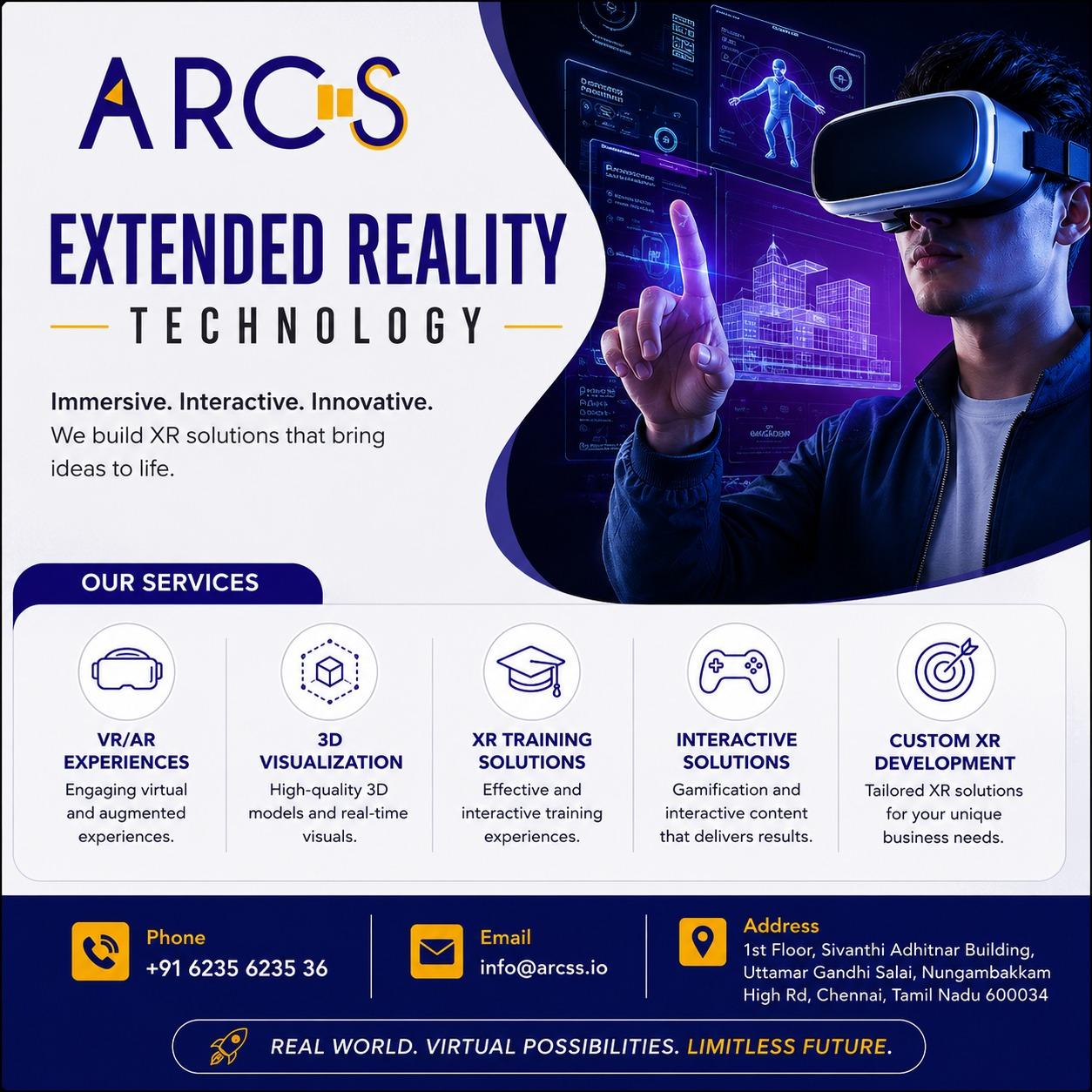
The boundaries between what is real and what is digital are dissolving at an unprecedented pace. At the forefront of this transformation stands Extended Reality technology—a revolutionary umbrella that encompasses Virtual Reality, Augmented Reality, and Mixed Reality. Together, these immersive technologies are reshaping how we learn, work, shop, and interact with the world around us. For organizations and individuals ready to embrace the future, understanding and leveraging Extended Reality technology is no longer optional—it is essential.
Understanding Extended Reality Technology
Extended Reality technology represents the complete spectrum of immersive experiences that blend the physical and digital realms. Unlike isolated technologies that operate independently, XR creates a continuum where virtual elements enhance, augment, or replace our perception of reality:
Virtual Reality (VR): Fully immersive digital environments that transport users to entirely new worlds. By wearing headsets that block out the physical environment, users can explore, interact, and manipulate virtual spaces with remarkable realism.
Augmented Reality (AR): Digital overlays that enhance the real world with interactive information, graphics, and animations. Through smartphones, tablets, or AR glasses, users see their physical environment enriched with contextual digital content.
Mixed Reality (MR): The most advanced form of Extended Reality technology, where physical and digital objects coexist and interact in real-time. Users can manipulate virtual objects as if they were physically present, creating seamless hybrid experiences.
Revolutionized Customer Experiences: Retailers use AR to let customers visualize furniture in their homes before purchase. Real estate developers offer virtual property tours. Automotive brands enable buyers to customize and explore vehicles in immersive showrooms.
Remote Collaboration: Teams separated by thousands of miles gather in shared virtual spaces, manipulating 3D models, reviewing designs, and making decisions as if physically together.
Operational Efficiency: Maintenance technicians access AR-guided instructions overlaid on equipment. Warehouse workers navigate optimized routes through smart glasses. Quality inspectors detect defects with AI-enhanced visual systems.
Applications Across Industries
Healthcare: Surgeons plan complex procedures using 3D patient models. Therapists treat phobias and PTSD through controlled virtual exposure. Remote specialists guide on-site practitioners via AR overlays during critical interventions.
Manufacturing: Factory workers receive real-time assembly instructions through AR headsets. Quality control teams inspect products against digital twins. Designers prototype products virtually before physical production.
Education: Students explore ancient civilizations, dive into molecular structures, and travel through the human body—making abstract concepts tangible and unforgettable.
Defense and Aerospace: Military personnel train for combat scenarios in realistic virtual environments. Engineers simulate aircraft performance under extreme conditions.
Entertainment and Media: Immersive gaming, virtual concerts, and interactive storytelling push creative boundaries and redefine audience engagement.
The Future of Extended Reality Technology
As hardware becomes lighter, more affordable, and more powerful, Extended Reality technology will permeate everyday life. The convergence of 5G connectivity, edge computing, and artificial intelligence will enable richer, more responsive experiences. The metaverse—a persistent, shared virtual space—will become a natural extension of our physical existence.
Organizations that invest in Extended Reality technology today position themselves at the forefront of this transformation. They build capabilities, cultivate talent, and establish competitive advantages that will compound over time.
Conclusion
Extended Reality technology represents far more than a technological trend—it is a fundamental reimagining of how humans interact with information, each other, and the world. By dissolving the barriers between physical and digital realities, XR unlocks possibilities that were once confined to science fiction.
For organizations seeking to harness the transformative power of immersive technologies, visit ARCSS. Their team of experts designs and deploys cutting-edge XR solutions tailored to your specific challenges and ambitions.
 Deutsch
 English
 Arabic
 Français
 Español
 Português
 Türkçe
 Dutch
Dutch
 Italiano
 Russian
 Romaian