


Building an AI Management System from Scratch
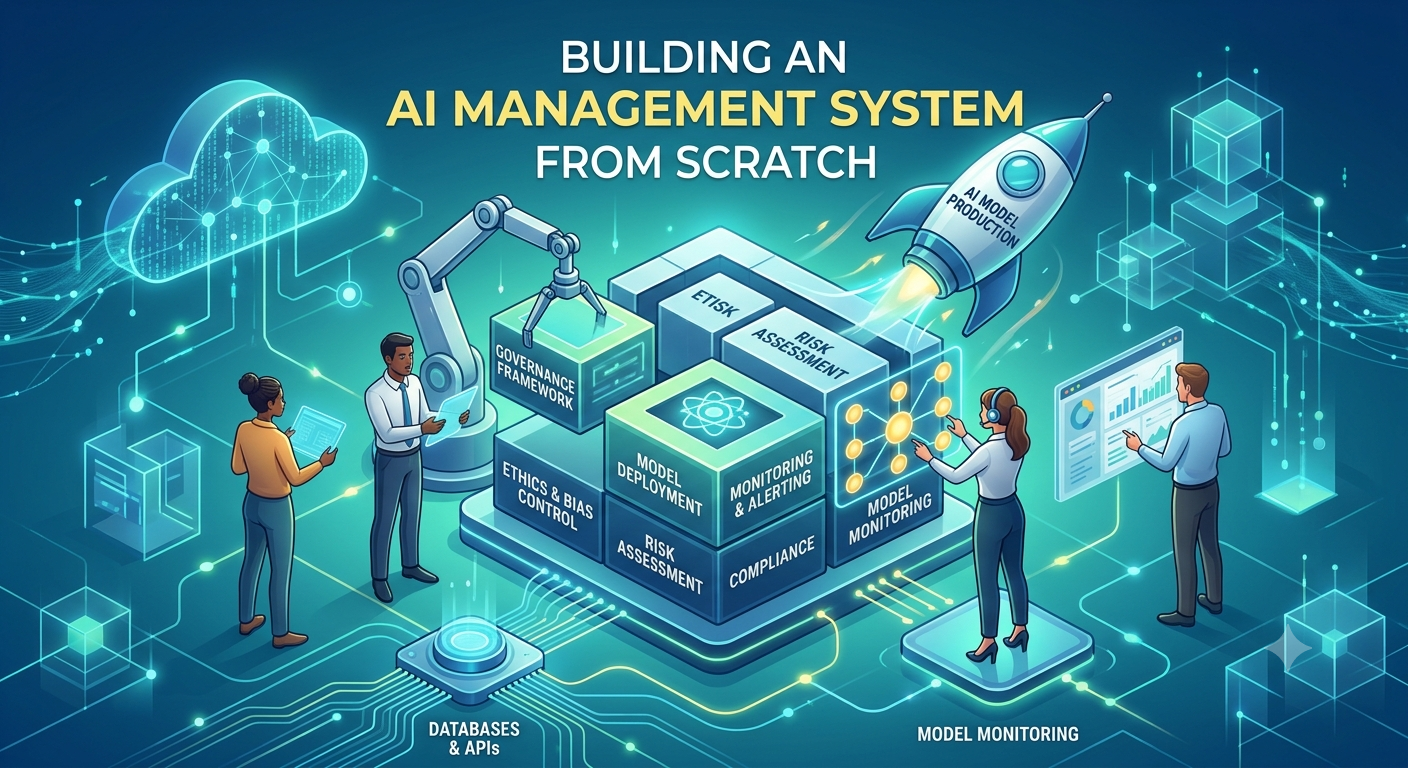
As artificial intelligence becomes a core part of business operations, organizations need a structured way to manage its risks, ethics, and compliance. Building an AI Management System (AIMS) from scratch helps businesses establish governance, improve transparency, and ensure responsible AI deployment. Following globally recognized standards also prepares organizations for future regulatory requirements. Professionals looking to implement these practices often begin with an ISO 42001 Certification to understand the framework and its practical application.
Why Build an AI Management System?
An AI Management System provides a structured framework for governing AI throughout its lifecycle—from planning and development to deployment, monitoring, and continuous improvement. It ensures AI systems align with organizational objectives while addressing concerns such as fairness, accountability, privacy, security, and bias.
Organizations that establish an effective AIMS can:
-
Improve trust in AI-driven decisions.
-
Reduce compliance and operational risks.
-
Strengthen governance and accountability.
-
Demonstrate responsible AI practices to customers and stakeholders.
Steps to Build an AI Management System
1. Define the Scope and Objectives
Start by identifying where AI is used within your organization. Determine which departments, applications, and business processes will be included in the AI Management System. Clear objectives help align AI initiatives with business goals.
2. Establish AI Governance
Assign roles and responsibilities for AI oversight. Create policies covering ethical AI, data governance, risk management, and regulatory compliance. Leadership involvement is essential for successful implementation.
3. Conduct AI Risk Assessments
Identify potential risks related to bias, security, privacy, explainability, and legal compliance. Evaluate both technical and business impacts before deploying AI systems.
4. Develop Policies and Controls
Create documented procedures for AI development, testing, validation, deployment, monitoring, and retirement. These controls ensure consistency across the AI lifecycle and support continual improvement.
5. Monitor and Improve
AI systems require ongoing monitoring to detect performance issues, data drift, or emerging risks. Regular internal audits, performance reviews, and corrective actions help maintain system effectiveness.
The Role of ISO 42001
ISO/IEC 42001 provides internationally recognized requirements for establishing, implementing, maintaining, and continually improving an AI Management System. It offers organizations a practical framework for responsible AI governance while supporting compliance with evolving regulations.
Professionals enrolling in an ISO 42001 Course gain practical knowledge of AI governance principles, implementation strategies, documentation requirements, and risk management techniques. The course helps teams understand how to build an effective management system that aligns with global best practices.
Similarly, ISO 42001 Training equips managers, auditors, compliance professionals, and AI practitioners with the skills needed to implement and maintain an AI Management System successfully. Hands-on training helps organizations avoid common implementation challenges while improving readiness for certification and audits.
Conclusion
Building an AI Management System from scratch requires careful planning, governance, risk management, and continuous improvement. By following the ISO 42001 framework, organizations can create trustworthy AI systems that support innovation while managing risks responsibly. Investing in an ISO 42001 certification, completing an ISO 42001 Course, and participating in ISO 42001 training enable professionals to develop the expertise needed to implement robust AI governance and prepare their organizations for the future of responsible artificial intelligence.

 English
 Arabic
 Français
 Português
 Deutsch
 Türkçe
 Dutch
Dutch
 Italiano
 Russian
 Romaian