


How Innovation Is Transforming Orthopaedic Implant Care
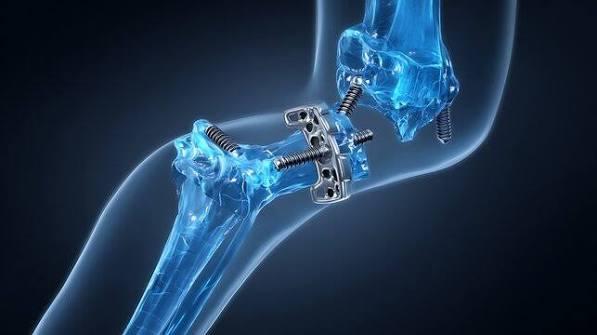
Orthopaedic implants have become an essential part of modern healthcare by helping patients regain mobility, reduce pain, and improve their quality of life. From joint replacement procedures to trauma management and spinal reconstruction, these medical devices support millions of individuals dealing with age-related conditions, injuries, and musculoskeletal disorders. As healthcare systems continue to evolve, implant technologies are advancing to deliver improved clinical outcomes and more personalized treatment options.
Across Europe, healthcare providers are increasingly adopting advanced surgical techniques and digital solutions to improve patient care. Growing interest in next-generation orthopaedic solutions reflects the broader shift toward precision medicine, minimally invasive procedures, and technologies that enhance surgical planning while supporting long-term recovery.
Manufacturers are also investing in research to improve implant materials, design, and compatibility with the human body. The focus has shifted beyond simply replacing damaged joints or bones to creating implants that offer greater durability, better integration with surrounding tissues, and improved patient comfort. These developments are helping surgeons deliver more predictable outcomes while reducing complications associated with traditional implant procedures.
The Rise of Personalized Orthopaedic Care
Personalization is becoming an important trend within orthopaedic treatment. Advances in medical imaging, digital modeling, and additive manufacturing allow healthcare professionals to better understand each patient's anatomy before surgery. This enables the selection or development of implants that more closely match individual anatomical requirements, contributing to improved alignment and post-operative function. Researchers continue to explore automated workflows for designing patient-specific implants that could streamline clinical practice while improving surgical precision.
Minimally Invasive Procedures Continue to Gain Attention
Modern orthopaedic surgery increasingly emphasizes minimally invasive techniques wherever clinically appropriate. Smaller incisions, reduced tissue disruption, and improved surgical instruments can contribute to faster recovery, lower post-operative discomfort, and shorter hospital stays for many patients. These approaches also encourage healthcare providers to adopt implant systems specifically designed to support less invasive surgical procedures while maintaining clinical effectiveness.
Technology Is Reshaping Surgical Planning
Digital transformation is influencing nearly every stage of orthopaedic treatment. Advanced imaging, navigation systems, robotics, and data-driven planning tools are helping surgeons prepare procedures with greater accuracy. Artificial intelligence is also beginning to assist with image interpretation, implant planning, and workflow optimization. While these technologies complement rather than replace clinical expertise, they demonstrate how digital innovation can enhance decision-making throughout the surgical process.
Material Innovation Supports Better Outcomes
Material science continues to play a vital role in implant development. Modern implants incorporate metals, ceramics, polymers, and composite materials selected for their strength, durability, and biocompatibility. Researchers are also investigating advanced manufacturing techniques and new biomaterials that may encourage better bone integration while improving long-term implant performance. Continued innovation in material engineering remains essential for enhancing implant reliability and patient satisfaction.
Challenges Facing the Orthopaedic Implant Landscape
Despite ongoing progress, several challenges remain. Medical device regulations continue to evolve, requiring manufacturers to meet rigorous quality, safety, and clinical evidence standards before introducing new products. At the same time, healthcare providers must balance innovation with affordability, reimbursement considerations, and long-term patient outcomes. Maintaining consistent product quality while supporting continuous technological advancement remains an important priority for both manufacturers and healthcare systems.
The Importance of Long-Term Clinical Evidence
Successful orthopaedic treatment depends not only on innovative implant design but also on long-term clinical evaluation. Post-market surveillance, patient registries, and ongoing research help clinicians better understand implant performance over time. These evidence-based approaches support informed decision-making, identify opportunities for product improvement, and strengthen confidence among healthcare professionals responsible for selecting appropriate treatment options.
Looking Ahead
The future of orthopaedic implants is expected to be shaped by continued advances in digital healthcare, personalized treatment planning, robotics, and biomaterials. As clinical research expands and manufacturing technologies mature, healthcare providers will have access to increasingly sophisticated solutions designed to improve patient outcomes while supporting efficient surgical workflows. Although technological progress continues, patient safety, clinical evidence, and regulatory compliance will remain central to the responsible development of orthopaedic implant technologies across Europe.

 Arabic
 Français
 Español
 Português
 Deutsch
 Türkçe
 Dutch
Dutch
 Italiano
 Russian
 Romaian