


Streamline Workforce Operations with Smart Management Software
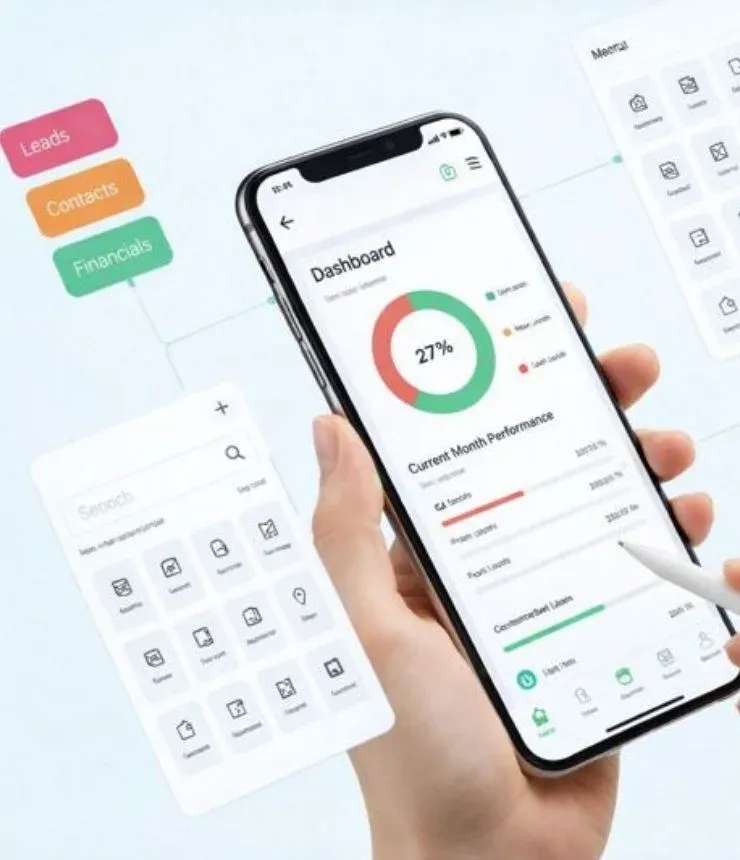
Managing a workforce has become far more demanding than it was only a few years ago. Businesses are expected to coordinate employees across offices, customer sites, warehouses, and remote locations while maintaining productivity, meeting compliance obligations, and delivering excellent customer service. As organisations continue to expand, manual workforce management methods often become a barrier to efficiency rather than a support for daily operations.
Many businesses still depend on spreadsheets, paper timesheets, or separate applications to organise employee schedules, monitor attendance, prepare payroll information, and communicate with staff. Although these methods may appear manageable in smaller organisations, they become increasingly difficult to maintain as workforce numbers grow. Duplicate data entry, delayed communication, scheduling conflicts, and inconsistent reporting can slow operations and create avoidable administrative costs.
Modern workforce management software offers a more practical and scalable approach. Instead of working with disconnected systems, businesses can manage employee scheduling, attendance, reporting, communication, and workforce data from a single platform. This centralised approach improves operational visibility while allowing managers to make faster decisions using accurate, real-time information.
By investing in the right workforce management solution, organisations can strengthen productivity, reduce administrative workloads, improve workforce coordination, and create a stronger foundation for long-term business growth.
The Growing Need for Digital Workforce Management
Today's organisations operate in fast-moving industries where workforce efficiency has a direct impact on business performance. Employees may be spread across multiple worksites, customer expectations continue to rise, and managers must respond quickly to changing operational demands.
Without an organised workforce management strategy, businesses often encounter problems that gradually affect overall efficiency. Schedule changes may not be communicated quickly, attendance records can become inconsistent, payroll preparation often takes longer than expected, and managers may struggle to gain a clear overview of workforce activity.
A digital workforce management platform brings every essential workforce function together in one connected environment. Instead of switching between multiple systems, managers have instant access to employee information, schedules, attendance records, and operational reports whenever they need them. This creates better visibility while helping organisations maintain consistent processes across every department.
What Workforce Management Software Does
Workforce management software is designed to simplify employee administration by combining several operational functions into one integrated solution. Rather than handling scheduling, attendance tracking, payroll preparation, and workforce communication separately, businesses can oversee every stage of employee management through a single dashboard.
This centralised approach reduces manual administration while improving data accuracy throughout the organisation. Managers spend less time updating records and more time supporting employees, improving productivity, and planning future business activities.
Modern platforms also generate valuable workforce insights. Reports covering labour costs, employee productivity, attendance patterns, overtime, and workforce utilisation enable businesses to identify trends, improve planning, and make informed operational decisions with greater confidence.
Essential Features That Improve Workforce Performance
An effective workforce management platform should help businesses simplify routine administration while improving day-to-day operations.
Smarter Employee Scheduling
Creating staff rosters manually can become increasingly difficult as businesses expand across multiple locations or departments. Managers often need to adjust shifts, replace unavailable employees, and respond quickly to changing customer demand.
Digital scheduling tools make these responsibilities much easier by allowing schedules to be updated instantly while ensuring employees receive timely notifications. This helps maintain appropriate staffing levels, reduces scheduling conflicts, and improves workforce organisation without creating unnecessary administrative work.
Automated Attendance Tracking
Reliable attendance records form the foundation of accurate payroll processing and effective workforce planning.
Modern attendance systems automatically record employee working hours using mobile devices, web applications, or workplace terminals. Managers gain immediate access to attendance information, making it easier to verify completed shifts, monitor overtime, and maintain dependable employment records.
Automation also reduces manual errors that commonly occur when attendance information is collected using traditional methods.
GPS Visibility for Mobile Teams
Businesses employing field technicians, maintenance workers, inspectors, security personnel, or cleaning teams often require greater visibility throughout the working day.
GPS-enabled workforce management software allows managers to monitor employee locations, verify arrivals at customer sites, coordinate field operations, and improve response times when unexpected changes occur.
Real-time location information also supports employee safety while helping organisations provide faster and more reliable customer service.
Digital Timesheet Processing
Manual timesheets frequently require extensive checking before payroll can be completed. This creates unnecessary delays and increases the likelihood of calculation errors.
Digital timesheet management captures employee hours automatically, simplifies approval workflows, and prepares payroll-ready information with minimal manual effort. Businesses benefit from faster payroll processing while improving overall operational accuracy.
Workforce Reporting and Analytics
Successful workforce management depends on reliable information.
Modern reporting tools allow businesses to monitor attendance, overtime, labour costs, employee productivity, workforce utilisation, and operational performance through detailed dashboards and reports.
These insights support better planning, improve resource allocation, and help organisations identify opportunities to increase efficiency while controlling operating costs.
Benefits That Extend Across the Business
Implementing workforce management software creates measurable improvements throughout an organisation rather than simply replacing manual administration.
One of the most noticeable advantages is higher productivity. Managers spend less time performing repetitive administrative tasks and more time supporting employees, improving customer experiences, and developing long-term business strategies.
Employees also experience a more organised workplace. Easy access to schedules, attendance records, shift updates, and workplace communication reduces confusion while creating greater transparency across the organisation.
Payroll processing becomes faster and more accurate because employee working hours are captured consistently throughout each pay period. This reduces payroll corrections while improving employee confidence in salary calculations.
Businesses also benefit from stronger compliance. Workforce management software maintains organised employment records that simplify audits while helping organisations meet workplace regulations more efficiently.
As businesses continue to expand, automation becomes increasingly valuable. Administrative workloads grow alongside workforce numbers, but digital workforce management helps organisations scale without significantly increasing manual effort.
Industries That Benefit from Workforce Management Software
Workforce management software supports businesses of all sizes, but industries with mobile teams and complex scheduling benefit the most. Organisations searching for workforce management software in Australia often need solutions that streamline workforce operations while supporting local compliance.
Healthcare providers use it to manage shifts, attendance, and overtime while ensuring consistent patient care. Security companies rely on real-time scheduling and attendance tracking to manage guards across multiple sites. Cleaning and facility management businesses use it to coordinate teams, verify attendance, and maintain service quality. Field service organisations, including technicians and installers, benefit from GPS tracking, digital reporting, and improved scheduling to deliver faster and more efficient customer service.
Supporting Sustainable Business Growth
Growth creates opportunities, but it also introduces greater operational complexity. Recruiting more employees, opening additional locations, or expanding service coverage all require stronger workforce coordination than manual systems can typically provide.
A scalable workforce management platform enables organisations to maintain consistent operational processes while adapting to changing business requirements. Managers can monitor workforce performance, allocate resources more effectively, and maintain visibility across every department without increasing administrative workloads.
Reliable workforce data also supports strategic planning. By understanding attendance patterns, labour costs, workforce utilisation, and productivity levels, businesses can make informed decisions that support sustainable expansion and long-term profitability.
Rather than allowing administration to grow alongside the workforce, automation helps organisations scale their operations while maintaining efficiency and operational control.
Selecting the Right Workforce Management Platform
Choosing workforce management software should be viewed as a long-term investment rather than a simple technology purchase. The right solution should improve daily operations today while remaining flexible enough to support future growth.
Ease of use is one of the most important considerations. A platform with a clean, intuitive interface encourages faster adoption among both managers and employees. When workforce tasks such as scheduling, attendance tracking, and communication become simple to complete, organisations experience higher productivity with less training.
Scalability is equally important. As businesses expand, workforce management requirements naturally become more complex. The ideal platform should support additional employees, new worksites, changing shift patterns, and evolving operational needs without requiring a complete system replacement.
Integration capabilities also add significant value. Software that connects with payroll systems, accounting platforms, human resources applications, and other business tools creates a more connected workflow while reducing duplicate data entry and improving data accuracy across the organisation.
Reliable technical support, regular updates, and professional onboarding further ensure businesses continue receiving value from their investment long after implementation.
Solving Everyday Workforce Challenges
Many workforce challenges begin as small administrative issues but gradually become larger operational obstacles. Missed schedule updates, inconsistent attendance records, payroll discrepancies, and communication delays can affect employee satisfaction, customer service, and overall productivity.
Workforce management software addresses these issues by bringing scheduling, attendance, communication, reporting, and workforce information together within one secure platform. Managers gain immediate visibility into daily operations without relying on multiple spreadsheets or disconnected systems.
Automation removes repetitive administrative work that traditionally consumes valuable time. Instead of manually updating workforce records or resolving scheduling conflicts, management teams can concentrate on supporting employees, improving service quality, and strengthening business performance.
Access to accurate workforce information also improves decision-making. Managers can analyse labour costs, monitor productivity, review attendance trends, and allocate resources based on reliable operational insights rather than assumptions.
Implementing Workforce Management Successfully
Introducing workforce management software requires careful planning to achieve the best results. Organisations should begin by reviewing existing processes, identifying inefficiencies, and establishing clear objectives before implementation begins.
Providing employees with practical training is equally important. When staff understand how to use scheduling, attendance, reporting, and communication features confidently, adoption becomes much smoother and the software quickly becomes part of everyday operations.
After implementation, managers should continue reviewing workforce reports to monitor attendance, overtime, productivity, labour costs, and workforce utilisation. Regular analysis allows businesses to refine their processes and ensure the platform continues delivering measurable improvements.
Employee feedback should also remain an important part of ongoing optimisation. Suggestions from managers and frontline staff often identify opportunities to improve workflows and increase operational efficiency over time.
Final Thoughts
Modern businesses need more than manual processes to manage an expanding workforce. As operations become increasingly complex, organisations require technology that improves visibility, simplifies administration, and supports informed decision-making.
Workforce management software provides a practical solution by streamlining scheduling, automating attendance tracking, improving communication, strengthening compliance, and delivering valuable operational insights through real-time reporting. These capabilities help businesses increase productivity while creating a more organised and responsive workplace.
For Australian organisations seeking a complete workforce management solution, TheScouts offers an integrated platform that combines employee scheduling, attendance management, GPS tracking, workforce reporting, and business management tools within one connected system. Investing in the right technology enables businesses to improve efficiency, empower their workforce, and establish a strong foundation for continued growth and long-term success.

 English
 Arabic
 Français
 Español
 Português
 Deutsch
 Türkçe
 Dutch
Dutch
 Italiano
 Romaian