


Does Hair Color Influence the Way Laser Treatment Works in Islamabad?
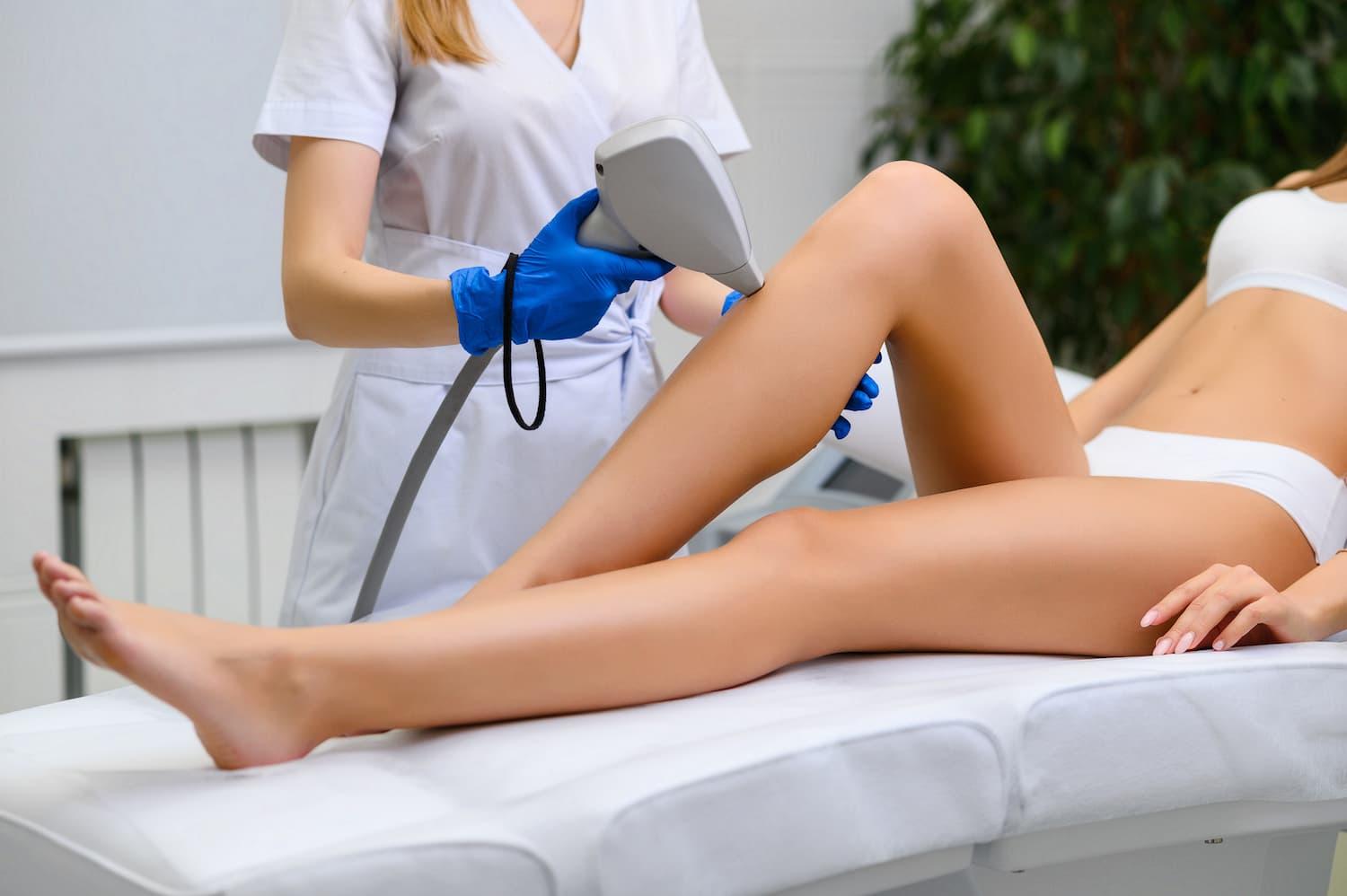
Hair color is one of the most important factors to consider when planning laser hair reduction because laser energy relies heavily on pigment within the hair. For people considering Laser Hair Removal In Islamabad, understanding the relationship between hair color and laser energy can help set realistic expectations. Darker, more pigmented hair generally provides a stronger target for many laser systems, while very light, grey, or white hair can be more challenging to treat.
Why Hair Color Matters in Laser Treatment
Laser hair removal works through a process called selective photothermolysis.
In simple terms, the laser delivers light at a specific wavelength. The pigment in the hair absorbs part of that light and converts it into heat. This heat can travel toward the hair follicle and create a thermal effect that interferes with future hair production.
Because melanin is the primary pigment that absorbs the laser's energy, the amount and type of pigment present in the hair can influence how effectively the treatment works.
Dark Hair and Laser Energy
Dark brown or black hair generally contains a higher concentration of melanin.
This can make the hair a more visible target for many laser systems.
When the laser light is absorbed by the hair pigment, the resulting heat can be transferred toward the follicular structures. This is one reason people with darker, coarser hair often experience a stronger response than individuals with very light hair.
However, hair color is only one part of the equation. Skin tone, hair thickness, follicle characteristics, laser wavelength, and treatment settings also influence the response.
What About Brown Hair?
Brown hair can respond to laser treatment, but the degree of response may vary.
Dark brown hair generally contains more pigment than lighter brown hair, potentially making it easier for certain laser systems to target.
Fine brown hair may provide less pigment and therefore absorb less energy than thick, dark hair.
A professional assessment can help determine whether the available technology is appropriate for the specific hair and skin combination.
Why Blonde Hair Can Be More Challenging
Blonde hair generally contains less melanin than dark hair.
Because laser hair removal depends on pigment absorption, a lower amount of melanin can make it harder for the laser to create the desired thermal effect within the follicle.
This does not mean every blonde hair is impossible to treat, but expectations may need to be adjusted depending on the exact shade and thickness.
Grey and White Hair
Grey and white hairs contain little or no melanin.
This creates a major challenge for traditional laser hair-removal technology because there may be insufficient pigment to absorb the laser's energy effectively.
As a result, grey or white hair may respond poorly compared with darker hair.
Patients with significant amounts of grey or white hair should discuss realistic treatment expectations with a qualified professional before beginning a course.
Red Hair Can Behave Differently
Red hair contains a different balance of pigments compared with typical dark brown or black hair.
Some red hairs may contain less of the type of melanin that common laser systems target efficiently.
Consequently, treatment response can vary significantly between individuals.
A consultation is useful for determining whether the particular hair characteristics are likely to respond to the available laser technology.
Hair Color vs. Skin Color
Hair color and skin color are separate factors, and both matter.
The laser needs to interact strongly with the hair while minimizing unnecessary absorption by surrounding skin.
This is why practitioners consider both the amount of pigment in the hair and the pigmentation of the skin when selecting treatment parameters.
Modern laser technologies may provide different wavelength options that can be used for different skin and hair combinations.
How Skin Tone Changes the Treatment Approach
People with darker skin tones have more melanin in the skin.
Because laser energy can also interact with skin pigment, treatment must be carefully selected and adjusted.
A suitable wavelength, appropriate energy settings, cooling technology, and professional technique can help improve safety.
This is particularly important because the goal is to create an effective follicular response without causing unnecessary thermal injury to surrounding skin.
Does Hair Thickness Matter More Than Color?
Hair color is important, but thickness also plays a significant role.
A thick dark hair contains more pigment overall than a very fine dark hair.
This can make coarse hair easier for the laser to target.
As treatment progresses, remaining hairs may become finer. This can sometimes make later treatment sessions more challenging because the remaining hairs may contain less pigment.
Hair Color Can Change Over Time
Hair color is not always permanent.
Some people experience natural changes in pigmentation as they age.
Grey hairs may gradually replace darker hairs, while other changes can occur because of individual biological factors.
This means the characteristics of the hair being treated can change during a long-term treatment course.
How Practitioners Assess Hair Color
Before treatment, a practitioner may examine:
- Natural hair color
- Hair thickness
- Hair density
- Skin tone
- Treatment area
- Previous treatment response
- Presence of grey or white hairs
- Pattern of regrowth
This assessment helps determine whether laser hair removal is appropriate and what type of treatment approach may be suitable.
Hair Color and Different Body Areas
Hair color can vary across the same person's body.
For example, someone may have dark, coarse hair on the legs but finer hair on the face.
The same individual may also have different levels of pigmentation on the arms, underarms, bikini area, or abdomen.
Because of this variation, practitioners may assess each treatment area individually rather than assuming that one approach will produce identical results everywhere.
What Happens as Hair Becomes Finer?
A common outcome during a successful laser course is that remaining hair becomes less noticeable.
Some hairs may become thinner, lighter, or more widely spaced.
While this can be a positive sign of reduced hair growth, finer hair may contain less pigment and can become a weaker target for certain laser systems.
This is another reason why treatment progress should be evaluated over time rather than judged after a single session.
Understanding Treatment Expectations
Laser hair removal should generally be viewed as a process of long-term hair reduction rather than guaranteed removal of every hair.
People with coarse, dark hair may experience a stronger response, while those with blonde, grey, white, or certain red hair types may experience more limited results.
Individual biology also matters.
Two people with the same hair color can respond differently because their follicles, growth cycles, skin characteristics, and hormonal influences may differ.
Hair Color and Treatment Planning
| Hair Type | Typical Pigment Level | General Laser Response |
|---|---|---|
| Black | High | Often favorable |
| Dark brown | High | Often favorable |
| Light brown | Moderate | Variable |
| Blonde | Low | More challenging |
| Red | Variable | Variable |
| Grey | Very low | Often limited |
| White | Very low/absent | Often very limited |
This table provides general guidance only. Actual treatment suitability should be determined through professional assessment.
Why a Personalized Consultation Matters
There is no single laser setting that works equally well for every person.
Practitioners need to consider hair pigment, skin pigmentation, thickness, treatment area, and previous response.
A personalized assessment allows the treatment approach to be adapted to the patient's characteristics.
It can also help identify areas where expectations may need to be more conservative.
FAQs
Does hair color affect laser hair removal?
Yes. Laser hair removal relies partly on pigment within the hair, so hair color can influence how effectively the laser energy is absorbed.
Which hair color usually responds best?
Dark, pigmented hair generally provides a stronger target for many laser systems.
Can blonde hair be treated with laser?
Blonde hair can be more challenging because it usually contains less melanin. Suitability depends on the exact hair characteristics and technology available.
Can grey hair respond to laser?
Grey hair often contains little pigment, making it difficult for conventional laser hair-removal systems to target effectively.
What about white hair?
White hair generally has little or no melanin, so traditional laser hair removal may have limited effectiveness.
Does red hair respond to laser?
Response can vary because red hair has different pigment characteristics. A professional assessment is recommended.
Does thick hair respond better than fine hair?
Coarse, pigmented hair often provides a stronger target than very fine hair because it generally contains more pigment.
Can hair become lighter during treatment?
Remaining hair may appear finer or less noticeable as treatment progresses. Individual changes vary.
Is skin color also important?
Yes. Skin pigmentation can influence laser selection and treatment parameters because the laser must be absorbed by the hair while minimizing unnecessary absorption by surrounding skin.
Can the same laser settings be used everywhere?
Not necessarily. Different body areas, hair characteristics, and skin tones may require individualized treatment planning.
Conclusion
Hair color can significantly influence how laser energy interacts with the hair and follicle. Darker, more pigmented hair generally provides a stronger target, while blonde, grey, white, and some red hairs can be more challenging. However, hair color should never be considered in isolation because skin tone, hair thickness, density, growth cycle, treatment area, and individual response also influence outcomes.
For anyone considering laser treatment, understanding these factors can help create realistic expectations and a more personalized approach. If you are exploring your options and want professional guidance based on your individual hair and skin characteristics, Dynamic Aesthetic Clinic can provide consultation and treatment guidance tailored to your needs.

 English
 Arabic
 Français
 Español
 Português
 Deutsch
 Türkçe
 Dutch
Dutch
 Italiano
 Russian