


Understanding the Gold Rate Today: Key Market Drivers, Local Calculations, and Smart Investment Strategies
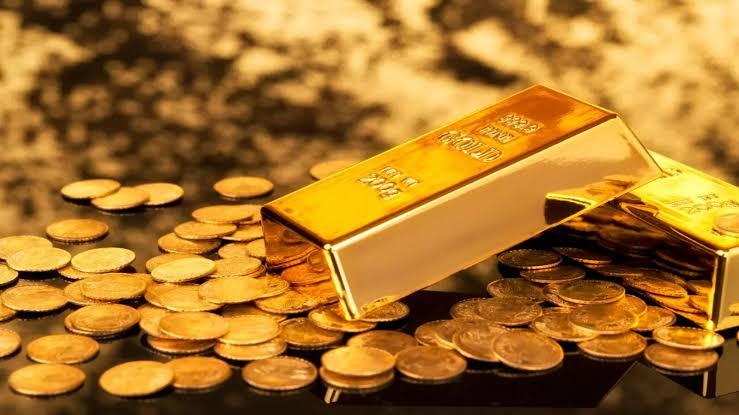
Gold has long served as a foundational pillar of personal wealth, cultural heritage, and international finance. Whether you are an active investor monitoring commodity markets, a family preparing for an upcoming wedding, or a consumer seeking to protect your purchasing power against inflation, checking the Gold Rate Today is often the essential first step before making any transactional move.
Because precious metal valuations fluctuate continuously across global financial centers, understanding what moves daily prices allows you to make well-timed and confident purchasing decisions.
Core Economic Drivers Behind the Gold Rate Today
The baseline quote seen on news terminals reflects international spot trading, typically measured in United States Dollars per troy ounce. Behind this live figure lies a dynamic interplay of global macroeconomic variables that dictate daily price movements.
Monetary Policy and Interest Rates
Central bank monetary policy—specifically benchmark decisions by the Federal Reserve—exerts a direct impact on gold prices. Physical gold is a non-yielding asset, meaning it does not generate dividend yields or fixed interest payments. When real interest rates fall or central banks signal monetary easing, holding cash or low-yielding bonds becomes less attractive compared to bullion. Consequently, lower yields decrease the opportunity cost of holding metal, pushing the Gold Rate Today upward.
Currency Valuation and Inflation
Gold historically acts as a reliable hedge against currency devaluation and inflationary pressures. When paper currencies lose buying power due to elevated consumer price indexes, investors flock to tangible assets to preserve wealth. Furthermore, because international spot gold is priced in US dollars, dollar strength plays a crucial role. A softening dollar makes gold more affordable for buyers holding other currencies, expanding global demand and lifting domestic rates around the world.
Geopolitical Friction and Central Bank Accumulation
During periods of market volatility or geopolitical uncertainty, institutional investors move capital toward safe-haven assets to mitigate risk. At the same time, central banks across emerging and developed nations have steadily built up physical gold reserves to diversify away from foreign currency dependencies. This steady institutional demand provides a resilient floor under market valuations.
How Local Retail Gold Rates Are Determined
When stepping into a retail shop or checking localized pricing feeds, you will notice that prices are quoted per gram, tola, or sovereign in your domestic currency rather than in dollars per ounce. Converting international spot benchmarks into the Gold Rate Today at your local jeweler follows a structured formula:
Unit Weight Conversion: One troy ounce equals approximately 31.1035 grams. Dividing the global spot dollar price by 31.1035 establishes the baseline price for one gram of pure 24-karat gold in US dollars.
Exchange Rate Scaling: The USD base price per gram is multiplied by the live foreign exchange rate of your country to calculate the equivalent local currency value.
Purity Adjustment: Karat ratings denote gold fineness. While 24K represents 99.9% pure gold, 22K contains 91.6%, 21K contains 87.4%, and 18K contains 75% pure gold. The raw 24K baseline price is adjusted proportionately for lower karats.
Duties, Taxes, and Making Charges: The spot rate reflects raw, unrefined bullion. Local retailers add national import tariffs, sales taxes, freight logistics, and craftsmanship fees (making charges) to arrive at the final retail receipt total.
Smart Strategies for Gold Buyers and Investors
Monitoring daily pricing trends provides the maximum financial benefit when combined with disciplined purchasing habits. Whether acquiring investment coins, heavy bullion bars, or fine jewelry, these guidelines help protect your capital:
Separate Raw Metal Cost from Making Fees
When buying jewelry, always insist on a detailed line-item invoice. The bill should clearly separate the exact net weight of the gold, the verified karat purity, the active Gold Rate Today, and the distinct making charges. Making fees vary significantly based on design complexity, so isolating the metal value ensures you do not overpay for the underlying gold content.
Verify Official Hallmarking and Assay Certifications
Never purchase physical gold based purely on visual inspection or verbal claims. Ensure every bar, coin, or piece of jewelry carries certified hallmark stamps from recognized assay authorities. Official hallmarking guarantees independent verification of metal fineness, protecting your asset's resale value when it comes time to trade or liquidate.
Consider Dollar-Cost Averaging
Attempting to time short-term market dips can be difficult due to daily price swings. For long-term wealth preservation, adopting a dollar-cost averaging strategy—purchasing fixed currency amounts at regular intervals—helps smooth out temporary price spikes and creates a balanced average entry cost over time.
Conclusion
Staying up to date on the Gold Rate Today gives you essential financial clarity whether you are preserving personal savings, timing a retail purchase, or diversifying an investment portfolio. By understanding how interest rate expectations, inflation indicators, and currency movements shape global spot markets, you can evaluate daily price shifts with confidence. Combining real-time market tracking with transparent retail accounting, hallmark verification, and a clear investment strategy ensures that every gold transaction yields lasting value.

 Arabic
 Français
 Español
 Português
 Deutsch
 Türkçe
 Dutch
Dutch
 Italiano
 Russian
 Romaian